📖 10 min read YUPSENI Team
SPC Flooring Underlayment: When Do You Actually Need It?
Table of Contents
An SPC plank is a rigid stone-plastic composite with a built-in acoustic backer on most modern formats. Whether another layer is needed depends on the subfloor - not on habit.
Ask ten flooring installers whether an SPC floor needs underlayment and you will get eleven answers. Some will tell you a pad is mandatory. Others will insist SPC already has one glued to the back. Both can be right, because both are answering different questions.
The confusion is understandable. Unlike laminate, which has almost no built-in cushioning, most SPC planks today ship with an acoustic underlayment already attached - typically a 1 to 1.5 millimetre IXPE or EVA foam layer bonded to the underside. That changes the entire conversation. What you are really asking is whether the built-in layer is enough for your particular floor.
This article separates the cases. It explains when the factory backer is all you need, when an extra layer genuinely helps soundproofing and comfort, and - critically - when adding a thick pad can actually destroy the locking mechanism you are about to pay good money for. Browse the SPC flooring range to see which formats carry built-in backers.
I. Why Installers Keep Asking: The Underlayment Question for SPC
The rule for engineered wood and laminate is fairly settled: you almost always use an underlayment. The rule for SPC is not, because SPC sits in a different category. It is a rigid floating floor, largely waterproof, and most importantly it already has an acoustic layer in most residential formats.
When you add another underlayment on top of a built-in one, you stack two separate layers of cushioning under a rigid core. That stacking is where problems begin. It raises the floor height, changes the transition profile, and - worst of all - gives the locking tongue and groove room to move vertically.
The real question is not whether underlayment is good. It is whether your subfloor and your living situation demand more than the foam already glued to the plank. Read on to the four conditions before you buy a single roll of extra padding.
II. When SPC Does Not Need Extra Underlayment - The Built-In Backer Rule
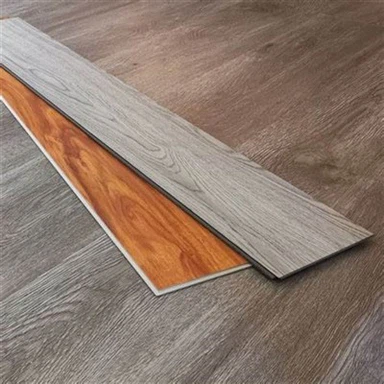
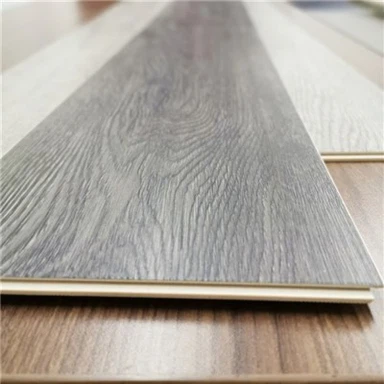
Check the back of a plank before you decide. Most SPC sold today carries a pre-attached backer. If you see a thin foam layer bonded to the underside of a 4 to 6 millimetre plank, that is your underlayment. It is already there, and the manufacturer designed the lock around it.
When that backer is present, an additional layer is usually unnecessary in these situations: a reasonably flat concrete slab, a dry and level subfloor, a room with no acoustic complaint, and a transition that has room for the installed height. On a sound, level slab in a typical single-family home, the factory backer does its job and the floor performs as intended - with no extra cost, no extra thickness, and no added risk to the lock.
Quick Check: Flip a plank over. If there is foam attached, write down its thickness. Most installers who add extra padding here are adding it without knowing the plank already has some. Measure first, and you will often find the answer right there.

A modern SPC plank carries its own acoustic backer. Adding a second layer is only justified when the conditions below demand it.
III. The Four Conditions That Actually Justify Adding a Pad
There are four genuine reasons to put down extra underlayment under SPC. None of them are cosmetic. Each one solves a real performance problem.
1. Impact sound control in multi-storey buildings. This is the most common and most legitimate reason. In an apartment, or a room above a living area, footfall noise travels through the rigid core and into the ceiling below. A thicker, denser underlayment - cork or rubber - noticeably reduces the impact sound. If the floor is over a bedroom or a downstairs neighbour, this is where the extra layer earns its keep.
2. Correcting minor subfloor unevenness. SPC is rigid and will not conform to a lumpy slab the way a thin vinyl or carpet would. A thin underlayment can absorb small surface irregularities up to a point. Be clear, though: this only handles minor deviations. If the subfloor exceeds about 3 millimetres over a 2-metre span, no underlayment will fix it - the slab must be levelled.
3. Adding thermal comfort on cold slabs. Concrete is hard and cold underfoot. Many buyers choose SPC partly for its rigid feel, but in a basement or a room over exposed ground, a cushioning layer adds warmth and a more forgiving step.
4. Moisture protection on an unconditioned or unknown slab. SPC core is waterproof, but a vapour barrier underlayment can still help where a slab shows signs of dampness, especially in a basement or a slab below grade. If moisture is a real concern, a film-backed underlayment addresses it at the source.

On a flat slab in a single-family home, the pre-attached backer handles the job. In an apartment block, the acoustic case for a thicker pad becomes real.
IV. The Thickness Trap: How More Cushioning Can Break Your Lock
Here is the part most guides leave out. SPC uses a rigid, mechanical locking system - the angle-and-tap profile at the edges - and that lock needs the plank to sit firmly on the floor. The rigid core relies on the subfloor to hold it and itself in place.
When you place a thick, compressible underlayment underneath, you add vertical movement. The more the pad compresses under walking pressure, the more the plank flexes at the seam. Over time, that flexing fatigues the locking tongue, and seams open up into visible gaps or the floor develops a squeak. This is the underlayment failure you read about in angry forum posts: a beautiful floor that starts to separate at the joins after a few months.
The rule of thumb: if your SPC already has a 1 millimetre backer, and you add another layer, keep the total combined underlayment beneath about 2 to 2.5 millimetres. Anything thicker, or anything too soft, starts to compromise the lock. Choose a low-compression underlayment with a high recovery rate, and always check the manufacturer's maximum allowable underlayment thickness - it is usually printed on the plank or in the technical datasheet.
Field Rule: More padding is not more comfort. A pad that compresses too much or sits too high will let the rigid core flex at the lock. If you need greater acoustic control, go for a denser material at a low thickness rather than a thick, soft foam.

The locking edge is the weak point when an over-thick pad lifts the floor. A dense, thin underlayment protects the seam without raising the plank.
V. Choosing the Right Underlayment: IXPE, EVA, Cork, Felt, or Foam
If you have decided you do need extra padding, the material matters as much as the thickness. Five types dominate the market.
IXPE foam is the workhorse. It is cross-linked, low-compression, and dimensionally stable, with a reasonable acoustic rating at a thin profile. It is the default choice where you want a little extra warmth and sound control without adding height.
EVA foam is cheaper but less resilient. It recovers more slowly and can compress more over time, which makes it a riskier choice under a rigid lock. It works, but it is a budget option.
Cork is the acoustic premium. It is naturally dense, quiet, and eco-friendly, and it pairs well with the rigid core because it compresses very little. It costs more, and you must be careful about moisture, but it is the best at deadening footfall.
Rubber and felt are niche choices. Rubber gives excellent sound isolation but adds weight and height. Felt is thin and light but offers limited acoustic benefit. For most homeowners, the practical decision is between a thin IXPE and cork, depending on whether impact sound is your main concern.
The underlayment decision is about matching the pad to the situation: a dense, thin layer for acoustic control, or no extra layer at all when the factory backer is already enough.
VI. A 5-Minute Decision Checklist for the Job Site
Before you buy any underlayment, run this simple check on site. It takes under five minutes and answers the question with your floor, not with a habit.
First, look at the plank's underside. Is there a factory backer, and how thick is it? If the plank already carries a 1 to 1.5 millimetre foam layer, that is your baseline. Second, lay a 2-metre straightedge across the subfloor and measure the gap at its worst point. If it exceeds 3 millimetres, the floor needs levelling, not padding.
Third, ask whether anyone lives below this room. If this floor sits above a bedroom, a living space, or a shared apartment boundary, add an acoustic layer. If it is on grade or above a garage, the sound case is weaker. Fourth, check whether the subfloor feels damp and whether it is concrete over grade - a film-backed underlayment helps there, and the manufacturer's moisture threshold is the guide.
If the answer to sound is yes, choose a dense, low-thickness cork or IXPE underlayment and keep the total combined pad under 2.5 millimetres. If the answers point to no, save the money and install on the factory backer alone. That is the entire decision, and it is simpler than the market makes it sound. Follow the full installation sequence in the SPC installation guide for the practical steps.
Not Sure Whether Your SPC Needs Extra Underlayment?
Tell us your subfloor type, whether there is a floor below, and your plank thickness - we will recommend the right underlayment grade, or confirm that the built-in backer is enough.
Request Technical Advice Browse SPC Flooring
Frequently Asked Questions About SPC Underlayment
Quick answers on built-in backers, when to add a pad, thickness limits, and acoustic performance.
Q1: Does SPC flooring come with underlayment already attached?
A: Most modern SPC planks do. A typical residential plank carries a 1 to 1.5 millimetre IXPE or EVA acoustic foam bonded to the underside. Some formats ship without it, though, so always check the plank back and the product datasheet. If the backer is already there, you have a baseline underlayment and may not need to add anything.
Q2: Is an extra underlayment always necessary for SPC?
A: No. On a flat, dry slab in a typical single-family home, the built-in backer is enough. Extra underlayment is justified mainly for impact-sound control in multi-storey buildings, for correcting minor subfloor unevenness, for added warmth on cold slabs, or for moisture protection in below-grade spaces. It is not a mandatory step for every installation.
Q3: How thick can the underlayment be under SPC?
A: If the plank already has a 1 millimetre backer, keep the total combined underlayment under about 2 to 2.5 millimetres. A thicker or softer pad allows the rigid core to flex at the lock, which can open seams or create squeaks. Always check the manufacturer's maximum allowable underlayment thickness on the datasheet.
Q4: Can underlayment fix an uneven subfloor under SPC?
A: Only for minor surface deviations. If the subfloor is out by more than about 3 millimetres over a 2-metre span, no underlayment will fix it - the slab needs to be levelled first. Underlayment smooths small imperfections but cannot replace proper floor preparation, and SPC being rigid will eventually telegraph larger bumps.
Q5: What is the best underlayment for SPC in an apartment?
A: For impact-sound control in a multi-storey building, a dense, low-thickness material works best - cork or a high-grade IXPE foam. Cork provides excellent footfall isolation with very little compression, so it protects the lock. EVA is a budget option but recovers more slowly, so it is riskier under a rigid SPC core.
Q6: Does underlayment affect SPC flooring over underfloor heating?
A: It can, because every layer adds a little thermal resistance. A thick or highly insulating underlayment reduces the rate at which heat reaches the floor surface, which can lower the effective output and slow response time. For underfloor heating, a thin, low-resistance underlayment is preferable, and you should confirm the manufacturer's approved combination. See the dedicated SPC over underfloor heating guide for the detail.
YT
YUPSENI Team
With over 23 years in building-materials manufacturing and polymer science, we help importers, project buyers, and installers source SPC flooring and finishing systems that hold up in real conditions. More about YUPSENI
Disclaimer: The information in this article is for general informational and educational purposes only. Underlayment requirements vary by product, subfloor condition, and manufacturer specification. Always consult the specific product datasheet and installation guide before installation.
© 2026 YUPSENI New Material Co., Ltd. All rights reserved.