

PS vs PVC Wall Panels: A Table That Ends the Confusion | YUPSENI
Oct 18, 2026
PS and PVC Wall Panels Are Not the Same Thing: A Table That Ends the Confusion
Two decorative wall panels, one word in common, and a world of difference underneath.
On This Page
Set a PS wall panel and a PVC wall panel side by side, and the average buyer cannot tell them apart. Both come in white or wood grain, both are lightweight, both are sold under the same vague phrase: decorative wall panel.
They are not the same thing. They are two different plastics with two different chemistries, and the differences decide exactly where each one belongs - or where it will quietly fail.
I. Two Panels That Look Alike, and Behave Nothing Alike
The confusion starts with a single, overworked word: plastic. Call two materials "plastic" and the mind files them in the same drawer, as if the only thing that matters is that neither one is wood.
That drawer is a trap. A plastics factory runs on dozens of different polymers, and two of them can be as far apart in behaviour as pine and concrete. Polystyrene and polyvinyl chloride happen to be two such polymers that get pressed into the same decorative role - and the fact that they look alike in a showroom is the accident that keeps tripping buyers up.
The buying instinct is predictable: if two panels look the same, buy the cheaper one.
That instinct is only safe if the two panels are the same material. Here, they are not - and the cheap one is not cheap for the reason most buyers assume.
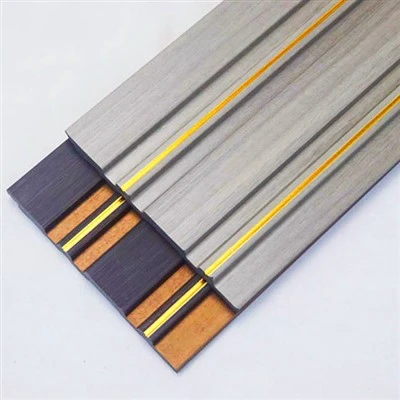
A PS panel looks the part in a showroom - but looks are the one thing that won't tell you what it's made of.
II. Where the Real Difference Hides
The difference is not in the colour, the pattern, or the lamination. All of that is surface dressing. The real difference is in the molecular backbone of the material underneath - and it is invisible by definition.
Polystyrene is a chain of carbon atoms hung with bulky benzene rings, a structure that makes the solid material stiff, brittle, and lightweight when foamed. Polyvinyl chloride is a carbon chain studded with chlorine atoms along its length, which changes everything about how the material burns, how it bends, and how long it survives outdoors. Same role, same showroom shelf, entirely different rules of behaviour.
That chlorine is not a minor detail. It is the reason a PVC panel is naturally reluctant to burn while a PS panel ignites readily and drips flaming droplets as it goes. It is the reason PVC can sit in direct sunlight for years with the right stabilisers, while PS yellows and turns chalky after a single summer. The atom that nobody sees is the one deciding most of the performance.
Which means the panel's name is doing a lot of quiet work. Read a little about what separates vinyl wall panels from the alternatives, and the picture sharpens fast: "PVC" and "PS" are not two grades of the same thing, but two different materials sharing a wall.

The marble look is a print. The chlorine in the backbone is what's actually doing the engineering.
III. Test It with Water, Fire, and a Bend
You cannot see a molecular backbone in a showroom, but you can run three small tests that expose it. None of them requires a laboratory.
First, the bend. Flex a strip of each panel. PVC bends, gives, and springs back; a thin PVC tongue can be folded without snapping. PS is stiffer and more brittle - flex it far enough and it cracks at the edge rather than yielding. In transport and installation, that brittleness is where PS shows its first weakness: chipped corners and shattered cut edges.
Second, the flame. Hold a lighter to a scrap and the difference is unmistakable. PVC, loaded with chlorine, is naturally self-extinguishing; pull the flame away and it stops burning. PS catches easily, burns with dripping, and keeps going. For any space where fire safety is a serious concern, this single test settles the argument before the smoke alarm does.
Third, the weather. Neither panel soaks up water, which surprises people who assume the cheaper one must be the one that rots. That assumption is wrong - the real outdoor dividing line is UV and heat, not moisture. PVC with stabilisers shrugs off the sun; PS degrades, yellows, and powders. The question is not which panel gets wet, but which one survives the sun that dries it out.
Water is a red herring. Fire and the bend are where the two plastics finally stop pretending to be the same product.
Both panels shrug off water. The real split is toughness and fire - and that split is baked into the chemistry, not the price tag.
IV. A Table That Settles Which One You Need
If the last three chapters feel like a lot of words, here is the short version, laid out where it belongs - side by side.
| Property | PS Wall Panel | PVC Wall Panel |
|---|---|---|
| Material | Polystyrene, often foamed | Polyvinyl chloride |
| Toughness | Brittle, chips at the edge | Tough, bends without snapping |
| Fire behaviour | Ignites readily, drips | Naturally self-extinguishing |
| Outdoor life | Poor, indoor only | Good, can go outdoors |
| Water | Does not absorb | Does not absorb |
| Weight | Very light | Light |
| Typical use | Interior décor, grilles, budget | Bathrooms, kitchens, exteriors |
| Relative cost | Lower | Higher |
Read the table top to bottom and the decision almost makes itself. If the panel is going somewhere decorative, indoor, low-impact, and budget-driven - a feature wall, a grille, a display surface - PS does the job for less. If it is going somewhere wet, sunny, fire-sensitive, or prone to the occasional knock, PVC is not the expensive option; it is the only option that does not have to be replaced early.
The trap is not that one material is better. The trap is buying one material for the other's job because the two looked the same in a catalogue photograph.

PS earns its place on light indoor décor - just not on the jobs that demand PVC's toughness.
V. The Price Gap Is the Last Thing You Should Compare
By now the ordering of priorities should be clear, and it runs in the opposite direction from habit. Most buyers start with price. The sensible buyer ends with it.
PS is genuinely cheaper, and for the right job that cheaper panel is the correct, even the smarter, choice. Paying for PVC's toughness on a purely decorative interior wall is waste. But the moment the application asks for moisture resistance, fire safety, or survival in sunlight, the cheaper panel stops being cheaper - it becomes a recurring cost, paid again in replacements, repairs, and callbacks.
So the price gap is real, but it is the last thing you should compare, not the first. First decide what the wall has to endure. Then the material chooses itself, and the price simply confirms the choice. This is exactly the kind of reasoning that belongs in a proper manufacturer vetting process, where a supplier's willingness to talk plainly about materials tells you more than any brochure ever will.
Ask which plastic the panel is made of, and why. A supplier who answers in one honest sentence is worth more than one who answers in a colour chart.
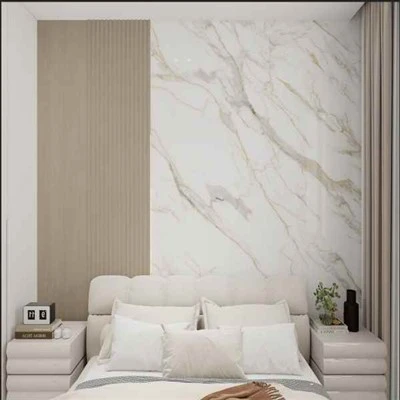
For wet and sunny spots, the panel has to earn its place - and PVC is the one built for it.
The Word "Plastic" Was Doing Too Much Work
The whole confusion traces back to a single word doing too much work. "Plastic" flattens a warehouse full of different materials into one mental category, and "decorative wall panel" finishes the job by making two different plastics sound interchangeable.
They are not. PS and PVC share a wall and a showroom shelf, but nothing else that matters - not toughness, not fire, not the sun. Once the two names stop sounding like synonyms, the buying decision stops being a gamble on a photograph and becomes a simple question of what the wall has to survive.
Know the material before you pay for the look
Tell us where the wall is, and we'll help you pick the panel that belongs there.
Request a Quotation Browse PVC Wall PanelsFrequently Asked Questions About PS vs PVC Wall Panels
Answers to the questions that come up when two panels look the same but cost different amounts.
Q1: Are PS and PVC wall panels the same material?
A: No. PS is polystyrene, usually foamed. PVC is polyvinyl chloride. They are two different plastics with different chemistry, toughness, and fire behaviour.
Q2: Which panel is more durable?
A: PVC. It is tougher, bends without snapping, resists fire better, and survives outdoors. PS is stiffer, more brittle, and best kept to light indoor decoration.
Q3: Do both panels resist water?
A: Yes, neither absorbs water. The real dividing line is toughness, fire behaviour, and UV resistance - not moisture. Don't assume the cheaper panel must be the one that rots.
Q4: Why does PS cost less than PVC?
A: PS is a cheaper polymer and is often foamed, which stretches the material further. It is a legitimate choice for indoor décor, but it does not carry PVC's toughness or outdoor life.
Q5: How do I know which panel to buy?
A: Decide what the wall has to endure first. Light indoor décor suits PS. Wet rooms, sunny spots, fire-sensitive areas, and high-impact zones call for PVC. Price should be the last thing you compare.
YUPSENI Team
23 years in PVC building material manufacturing and supply chain. We help importers, distributors, and project buyers source SPC flooring, PVC foam boards, wall panels, and fencing that pass compliance the first time. More about YUPSENI
© 2026 YUPSENI. All rights reserved. The information in this article is for general informational purposes only and does not constitute professional advice. Product specifications may vary by region and production batch. Always request current datasheets before making procurement decisions.


