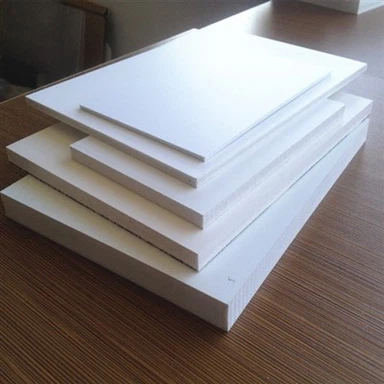
PVC False Ceiling for India & Southeast Asia — Monsoon, Termite & Cost Guide
Aug 19, 2026
PVC False Ceiling: The Monsoon-Proof Choice Over POP and Wood in India and Southeast Asia
Read time: 9 minutes | By: YUPSENI Team
On This Page
- I. The False Ceiling That Fights the Monsoon
- II. Why Does POP Crack in Year Two?
- III. Termites Eat Wood. They Ignore PVC.
- IV. The Price Nobody Adds Up
- V. Check the System Before You Check the Price
- VI. The Rooms That Should Stay With Gypsum
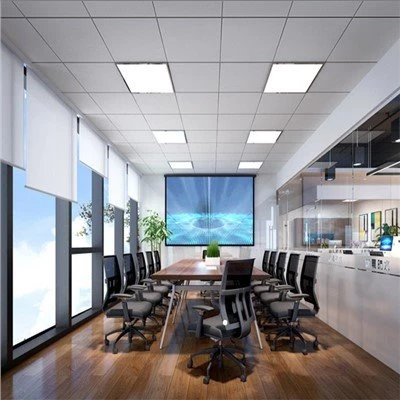
A PVC false ceiling in a humid climate: the surface that ignores the monsoon it sits under.
In India and Southeast Asia, a PVC false ceiling answers a question most homeowners only ask after the damage appears: why does the ceiling crack every few years, why does the wood frame host termites, and why does the bathroom ceiling never look clean?
The tropical climate is the harshest test a ceiling can face, and the materials most families grew up with were never designed for it. This guide explains what changes when the ceiling is built entirely from PVC, where the material wins, and the rooms where gypsum still has a legitimate claim.
I. The False Ceiling That Fights the Monsoon
A false ceiling in a tropical city lives in conditions that would destroy most ceiling materials. The monsoon drives indoor humidity above eighty percent for weeks at a time. Air conditioners run for half the year and turn the ceiling into a cold surface that collects condensation. Bathrooms and kitchens release steam daily. The ceiling sits directly under all of it, and the ceiling material decides whether the room stays clean or slowly grows a problem it cannot see.
The conventional tropical ceiling is built from materials that absorb water. POP absorbs it and cracks. Wood frames absorb it and rot. Gypsum boards absorb it and swell at the edges. Each material follows its own failure path, and every path leads to the same destination: a ceiling that gets patched, repainted, or replaced on a cycle measured in years.
PVC is the material that does not play that game.
The closed-cell polymer core absorbs no water. The surface is smooth and non-porous, so condensation beads and runs off instead of soaking in. There is no paper face for mold to feed on and no wood fibre for spores to digest. A PVC false ceiling does not crack from moisture, does not swell, does not stain, and wipes clean with a cloth. In a climate defined by humidity, that set of properties is not a luxury. It is the baseline the material must meet to survive, and PVC is one of the few ceiling materials that meets it.
II. Why Does POP Crack in Year Two?
Plaster of Paris has ruled Indian false ceilings for decades because it is cheap to buy and every local contractor knows how to work it. The problems are not in the first year. They arrive on the schedule the climate sets.
POP is gypsum plaster. It is porous, it absorbs atmospheric moisture, and it expands and contracts as the humidity swings between the dry season and the monsoon. The movement shows as hairline cracks, which widen, collect dust, and eventually drop flakes. In an air-conditioned room, the cold ceiling surface meets warm humid air and condenses water into the plaster, accelerating the cycle. Repairs mean patching, sanding, and repainting the affected area, and the patch never quite matches the surrounding surface. The cycle repeats, which is the economic trap: POP is inexpensive per square metre and expensive per year of service.
The same humidity story applies to gypsum board and to plywood ceilings with painted faces. All three materials are porous at the core. The PVC versus gypsum comparison walks through the material-level differences in detail, and the complete ceiling board guide covers the full product picture for the region.
III. Termites Eat Wood. They Ignore PVC.
The second enemy of the tropical ceiling walks on six legs. Termite pressure in South and Southeast Asia is among the highest in the world, and a false ceiling built on timber battens or plywood panels is a food supply suspended directly over the family's head. The damage is rarely visible until the ceiling sags, and by then the colony has been feeding for years.
The PVC false ceiling removes the food source entirely. The panels are polymer. The battens and frames can be PVC profiles rather than timber. A system built entirely from PVC offers termites nothing to eat, nothing to tunnel through, and nothing to nest in. No chemical treatment, no annual inspection, no poison baits along the perimeter. The material is simply not on the menu.
This single property changes the ownership math in the region. A homeowner who replaces a timber-framed ceiling with a full PVC system removes two recurring costs at once: the moisture repairs and the termite management. The low-maintenance ceiling guide covers the annual care routine, which for a PVC ceiling is mostly a cloth and a ladder.
IV. The Price Nobody Adds Up
The first quotation always favours POP. The total cost of ownership does not, and the difference lives in the steps nobody puts on the invoice: plastering, sanding, priming, two coats of paint, and the repairs that follow in year two and year five. A PVC false ceiling arrives finished. It does not need plaster, paint, or curing time, and it does not need the ceiling to be repainted after the monsoon.
| Comparison | PVC False Ceiling | POP / Gypsum | Plywood / Timber |
|---|---|---|---|
| Moisture resistance | Closed-cell core, zero absorption | Porous, absorbs, cracks | Swells, rots over time |
| Mold and mildew | No food source for spores | Paper and plaster host growth | Wood fibre feeds colonies |
| Termite risk | None - polymer only | Low for plaster, frame dependent | High - a food supply |
| Finishing needed | None - factory finished | Plaster, sand, paint, repeat | Paint or laminate, repaint |
| Install speed | Days, dry, no curing | Weeks with drying time | Days, but finishing follows |
| Cleaning | Wipe with a cloth | Painted surface, stains stick | Painted surface, stains stick |
| Renovation cycle | Surface lasts, wipe clean | Crack and repaint every few years | Refinish or replace |
A buyer comparing the first invoice sees one number. A buyer comparing the cost per year of service sees the real number, and the real number is where the PVC false ceiling wins the tropical argument. The cost-effectiveness analysis breaks the renovation arithmetic down in full.
V. Check the System Before You Check the Price
A PVC false ceiling is a system, and the system matters more than the panel. The complete package includes the PVC panels, the supporting frame, and the trim that hides the edges. When the frame is also PVC, the whole assembly stays termite-proof and moisture-proof from the joist line to the visible surface. When a contractor substitutes timber battens to save money, the termite risk returns and the system argument collapses.
Two quality points deserve attention in this market. The first is the difference between virgin and recycled material: a panel made from recycled PVC costs less and performs less, with weaker impact strength and colour stability. The second is the difference between a smooth, dense skin and a soft face that scratches under cleaning. The installation guide covers clip spacing and the expansion gaps that keep panels flat through the temperature swings of the region.

The panel and clip system that installs dry and finishes itself: no plaster, no paint, no waiting.
Design options have grown well beyond plain white. Wood-grain finishes bring the warmth of timber ceilings without the termite risk, embossed panels imitate pressed metal for a contemporary look, and printed panels carry patterns that POP cannot match. The wood-look panel guide and the embossed panel guide show the range available for tropical interiors.
For bathrooms, kitchens, and wet areas, the waterproof argument is absolute, and the wet-room ceiling analysis explains why conventional materials do not belong there.
VI. The Rooms That Should Stay With Gypsum
A straight answer keeps the credibility intact. PVC false ceilings are not the answer in every room, and a buyer who hears that from a supplier should trust the supplier more, not less.
Home theaters, conference rooms, and libraries need acoustic absorption, and a hard PVC surface reflects sound. Those rooms should keep gypsum or add acoustic panels to the walls. Escape routes and large public assembly areas answer to fire codes that may require rated gypsum assemblies regardless of the material's other qualities, and the local regulation must be checked before specifying anything. Standard PVC panels are combustible; flame-retardant grades exist and carry certificates, but the certificate has to match the code the project answers to. The fire rating guide explains how to read the classifications correctly.
Everywhere else in the tropical home-bathrooms, kitchens, bedrooms above the humidity line, offices, shops, and hotel wet zones-the PVC false ceiling does what the climate demands. It stays dry, it stays clean, it ignores termites, and it does not schedule the family for another repaint. For panel samples, system quotations, and the full profile range for a project in the region, contact our sales team.
Frequently Asked Questions
Frequently Asked Questions About PVC False Ceilings in Tropical Climates
Common questions from homeowners, contractors, and buyers across India and Southeast Asia evaluating PVC false ceiling systems.
Q1: Is a PVC false ceiling suitable for bathrooms in this climate?
Bathrooms are where the material earns its reputation. The closed-cell panel absorbs no moisture, the smooth surface gives mold nothing to grip, and the ceiling wipes clean with the same cloth used on the tiles. In a bathroom, the PVC false ceiling is not a compromise compared with POP or gypsum. It is the more durable choice by a wide margin, and the only maintenance it demands is the occasional wipe. The frame should be PVC as well, so the complete assembly stays moisture-proof from the supporting structure to the visible face.
Q2: Will a PVC false ceiling really keep termites away?
Termites eat cellulose: wood, paper, and plant fibre. A PVC panel is polymer, and a PVC frame is polymer, so a complete PVC system offers the colony nothing to eat. The protection is structural rather than chemical, which means it does not wear off and needs no annual treatment. The condition is that the frame is PVC too. A system with timber battens reintroduces the food source, so the termite-proof argument only holds when the whole assembly is polymer.
Q3: How does the price compare with POP for a typical bedroom ceiling?
The first invoice favours POP, and the ten-year invoice favours PVC. POP requires plastering, sanding, priming, and painting, plus the crack repairs that arrive within a few years in a humid climate. A PVC false ceiling arrives finished, installs in days without curing time, and does not need repainting after the monsoon. When the comparison counts labour, finishing, and the renovation cycle instead of the material price alone, the PVC system typically closes most of the gap, and it removes the recurring repair cost entirely. Ask for a per-year-of-service comparison rather than a per-square-metre one.
Q4: Can local contractors install a PVC false ceiling, or is special training needed?
The installation is simpler than POP work and uses ordinary tools. Panels cut with a fine-tooth saw or a sharp knife, the frame levels with the same spirit level any contractor owns, and the panels clip or screw into place without plaster, water, or drying time. The skills that matter are the same ones every false ceiling contractor already has: levelling, measuring, and planning light fittings. The supplier's installation guide gives the clip spacing and expansion details, and most contractors pick up the system on the first job.
Q5: Will the panels sag or deform in the heat?
PVC expands and contracts with temperature, and the installation accounts for it. Panels are fixed with clips that let them slide along their length, and a small expansion gap is left at the perimeter so the panels move freely instead of buckling. Installed with those details respected, a PVC false ceiling stays flat through the region's temperature swings. The common sagging problems come from over-fixing the panels or omitting the perimeter gap, both of which are installation errors rather than material failures. The installation guide covers the exact spacing.
Price a Full PVC False Ceiling System for Your Project
Send the room sizes and we return the panel count, the PVC frame requirement, and a per-year-of-service comparison against POP and timber.
Request a System QuoteYUPSENI Team
23 years in PVC building material manufacturing and supply chain. We supply complete false ceiling systems for tropical climates: panels, PVC frames, and trims that resist monsoon humidity and termites together. More about YUPSENI
© 2026 YUPSENI. All rights reserved. The information in this article is for general informational purposes only and does not constitute professional engineering, fire, or construction advice. Building codes, fire ratings, and termite conditions vary by region and project. Always verify local requirements and request current datasheets before making procurement decisions.