Waterproof SPC Flooring for Bathrooms — Core, Seams & Installation Truth
Aug 20, 2026
Waterproof SPC Flooring for Bathrooms: The Moisture Test Ceramic Tile and Vinyl Both Fail
Read time: 8 minutes | By: YUPSENI Team
On This Page
- I. The Room Where Flooring Claims Go to Die
- II. Ceramic Tile Is Waterproof. The Grout Is Not.
- III. Waterproof Means the Whole Tile, Not the Surface
- IV. Installation Decides Whether the Waterproofing Survives
- V. Warm Floors: SPC Under the Heater
- VI. The Honest Limit: Waterproof Is Not Floodproof

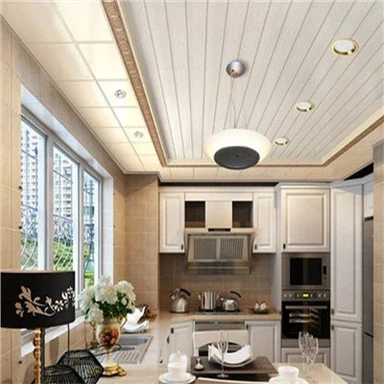
SPC flooring in a bathroom: the waterproof claim covers the whole plank, not just the printed surface.
Waterproof SPC flooring for bathrooms sounds like a modern convenience until you ask what the word actually means. Many floors say waterproof and mean that their surface repels water. A puddle sits on top and wipes away, while the seams and the core quietly do their own thing.
This guide separates a genuinely waterproof floor from a water-resistant marketing claim, explains why ceramic tile fails at the grout line, and walks through the installation details that decide whether SPC flooring keeps its promise in the one room where floors get tested daily.
I. The Room Where Flooring Claims Go to Die
A bathroom floor is not a normal floor. It takes direct water from the shower, standing water from the bath, splashes from the sink, and steam from every hot run. It also takes shampoo spills, cleaning chemicals, and the occasional flood from an overflowing toilet. The floor sits in a room built around water, and the material underfoot has to accept that water is not an accident but a regular visitor.
Most flooring materials were never designed for this. Hardwood warps at the edges, laminate swells at the seams, and ordinary vinyl sheet with a felt backing bubbles when water works under it. The traditional answer was ceramic tile, which handles water beautifully at the surface and fails at a place most people never think about: the grout.
A bathroom floor does not need to look waterproof. It needs to be waterproof at the seams, at the edges, and at the core.
II. Ceramic Tile Is Waterproof. The Grout Is Not.
Ceramic and porcelain tiles are dense, vitrified clay. The tile body absorbs negligible water, and a glazed surface repels it completely. The problem is the seams. Every tile floor is a grid of narrow channels filled with grout, and grout is a porous cementitious material. Water sits in the grout lines, wicks down into the mortar bed, and stays there. Over years, the grout darkens, grows mildew in the shaded corners, and eventually crumbles in the high-traffic lines.
Sealing grout helps. Re-sealing it every year or two helps more. Neither changes the geometry: a tile floor is a waterproof surface with hundreds of metres of pervious seams built into it. The bathroom that grouts clean and sealed can go for years without visible problems. The bathroom that skips the reseal discovers the difference between a 30-year tile and a 3-year grout you have to keep alive.
SPC flooring removes the seam problem by using a click-lock joint that closes tightly enough to block water. The surface is vinyl, which is inherently waterproof. The seams are the engineered weak point, and SPC's locking system is designed to make that weak point as strong as the rest of the floor. The waterproof claim covers the whole floor, not just the face of one plank.
III. Waterproof Means the Whole Tile, Not the Surface
The word waterproof appears on many floors that are only water-resistant. The difference is the core. A laminate floor has a wood-fibre core that swells when water reaches it. A traditional vinyl floor may have a felt or fibreglass backing that absorbs moisture. Both can carry a surface claim of water resistance, and both fail when water finds the edge or the seam.
SPC, stone plastic composite, is built around a core made of limestone and PVC. The core is dense, dimensionally stable, and completely impervious to water. A puddle that sits on the surface for a day cannot work its way into the plank, because the plank has no cellulose anywhere inside it. The printed wood or stone pattern is protected by a clear wear layer, and the whole construction is as waterproof at the core as it is at the face. The SPC versus laminate versus wood comparison explains the core-level difference in full.
Ask one question of any floor claiming to be waterproof: what is the core made of, and what happens when water sits on the seam?

The core is the waterproofing. A limestone-PVC composite has nothing to swell, rot, or feed mold.
The same core structure gives SPC another bathroom advantage: it is warm underfoot compared with tile, which conducts heat away from bare feet instantly. A bathroom floor that does not shock the feet at 6 a.m. is a quality of life detail that no spec sheet measures but every homeowner notices. The full thickness range is covered in the thickness guide, and the material overview lays out the construction layers.
IV. Installation Decides Whether the Waterproofing Survives
A waterproof floor installed badly becomes a wet floor with a waterproof label. The installation details are not optional in a bathroom, and the first one is the expansion gap. SPC expands and contracts with temperature, and a bathroom with underfloor heating amplifies the movement. The planks need a gap at the walls, hidden under the skirting or base trim, or the floor will buckle at the seams. The expansion gap guide covers the numbers for the room size.
The second detail is the doorway. A bathroom floor meets the hallway floor at a transition, and water from the bathroom wicks along the edge if the transition is not sealed. A simple aluminium transition with a silicone bead underneath stops the travel. The third is the toilet flange and the pedestal of the sink: both are open penetrations in the floor, and both get a bead of silicone around the base to stop water from running under the flooring into the subfloor. None of these steps is complicated. All of them matter.
V. Warm Floors: SPC Under the Heater
Bathroom floors and underfloor heating go together in most modern homes, and SPC handles the pairing better than most materials. The limestone-PVC core conducts heat efficiently, and the plank stays dimensionally stable through the heating cycles, provided the system operates within the floor's rated temperature range.
The installation sequence matters: the heating system is commissioned, the floor is allowed to reach operating temperature, and the SPC is installed with the heating either off or at a reduced setting, then brought back up gradually. Rushing that sequence loads the planks with heat they are not ready to absorb. The underfloor heating guide walks through the temperature limits and the sequence in detail.
VI. The Honest Limit: Waterproof Is Not Floodproof
The words that need saying. Waterproof SPC will not save a bathroom that floods from an upstairs pipe for hours on end. If water stands deep enough to pour over the skirting boards or to sit for days on end, no floating floor survives that, and the subfloor becomes the problem long before the planks do. The waterproof claim is about the floor itself: the planks do not swell, do not delaminate, and can be pulled up and inspected if a flood happens, then dried and reinstalled when the structure is dry.
That reusability is the unsung strength. A carpet that floods is replaced. A laminate that floods is replaced. An SPC floor that floods is lifted, the subfloor is dried, and the same planks go back down, because they never absorbed the water in the first place.
For the full picture on when SPC is the right answer and when it is not, the honest limits guide lays out the boundaries. For bathroom-ready SPC collections, wear layers, and click profiles that seal, the SPC flooring range is the starting point, and our sales team can help match a floor to the room.
Frequently Asked Questions
Frequently Asked Questions About Waterproof SPC Flooring for Bathrooms
Common questions from homeowners and renovators weighing SPC against tile and vinyl for bathroom floors.
Q1: Can SPC flooring go directly over the old bathroom tile?
Yes, when the existing tile is flat, sound, and free of loose pieces. SPC is a floating floor and does not need adhesive, so the old tile becomes the subfloor. Large lippage between old tiles should be levelled first, because the planks will follow the surface. A moisture barrier underlayment is recommended in a bathroom, and the threshold transition must be accounted for. Laying over tile saves a demolition step and is one of the practical advantages of the floating system.
Q2: Is SPC slippery when wet?
The slip resistance depends on the surface finish, not the core. SPC planks are available with smooth, embossed, and textured finishes, and the textured options provide noticeably better wet traction. For a bathroom, look for a floor with an embossed wood grain or a stone-look texture rather than a high-gloss smooth surface. The wear layer also plays a role: the right surface for a bathroom is one that balances easy cleaning with a textured grip.
Q3: Does SPC flooring need a vapor barrier in a bathroom?
Yes, particularly on a concrete subfloor. A polyethylene vapor barrier is laid between the subfloor and the floor, taped at the seams, to block residual moisture from the slab from reaching the flooring. On a wooden subfloor, the barrier is still recommended in a bathroom. The barrier is a thin plastic sheet rather than an underlayment, and it is one of the least expensive parts of an installation that prevents one of the most expensive failures.
Q4: How does SPC compare with luxury vinyl tile for bathroom use?
Both have a vinyl surface and a waterproof face, and the difference is the core. Traditional luxury vinyl tile, LVT, has a flexible PVC core that can flex with subfloor movement, while SPC has a rigid limestone-PVC core that resists indentation and stays dimensionally stable under temperature change. In a bathroom, SPC's rigidity gives it an edge against the heavy loads of fixtures and its stability under heating cycles. The choice between the two usually comes down to the subfloor condition and whether the floor will see concentrated point loads.
Q5: Can I install SPC flooring in a bathroom myself?
A straightforward rectangular bathroom is a realistic DIY project: the planks click together without adhesive, cutting is done with a utility knife or a fine-tooth saw, and the floating system does not require special skills. The parts that demand care are the doorways, the toilet flange, and the expansion gap. A bathroom with a complex layout, multiple fixtures, and underfloor heating is a job where a professional installer usually earns their fee in avoided mistakes. Whatever the install route, the expansion details from the guide apply exactly the same.
Bathroom Floors That Treat Water as an Everyday Visitor
Waterproof-core SPC in wood and stone looks, with wear layers that handle the one room where floors get tested daily.
Request a Flooring SampleYUPSENI Team
23 years in PVC building material manufacturing and supply chain. We help homeowners and contractors specify SPC flooring that survives real bathrooms-not just the brochure. More about YUPSENI
© 2026 YUPSENI. All rights reserved. The information in this article is for general informational purposes only and does not constitute professional installation or engineering advice. Waterproof performance, installation requirements, and warranty terms vary by product line and production batch. Always request current datasheets and verify local building codes before making procurement decisions.