The SPC Flooring Collection: 4mm to 9mm — Every Thickness, Every Surface
Aug 04, 2026
SPC Flooring Collection: From 4mm to 9mm, Every Thickness and Surface in One Look
Read time: 6 minutes | By: YUPSENI Team

SPC flooring-stone plastic composite-took the structural weakness of flexible vinyl plank and fixed it. A limestone-based rigid core replaces the flexible PVC core of traditional LVT, which means the plank does not flex under weight, does not telegraph subfloor imperfections, and clicks together with a lock that stays engaged under traffic.
This collection guide walks through the full SPC flooring range by thickness, because thickness is the single number that decides where a plank belongs: which rooms, which traffic levels, which subfloors, which budget. Every image below is a production photo of the actual product line.
On This Page
- I. What the Five Layers Actually Do
- II. 4mm and 4.5mm: The Value Range
- III. 5mm and 5.5mm: The Residential Sweet Spot
- IV. 6mm, 7mm, and 9mm: Where Commercial Specs Start
- V. Surfaces: Woodgrain, Stone, and Everything Between
- VI. Rooms: Where Each Thickness Belongs
I. What the Five Layers Actually Do
An SPC plank is not one material. It is five layers, each with a job, fused in a single production pass. Knowing the layers explains every performance claim on the datasheet-and why this category outperforms laminate in kitchens and basements.

① UV wear layer - the transparent top coat that absorbs scuffs and resists fading. ② Wear layer - the thickness of clear vinyl that determines scratch and indentation resistance; this number is what the warranty quotes. ③ Print layer - the photographic wood or stone image. ④ Rigid core - limestone and PVC fused into a dimensionally stable board that does not expand and contract like vinyl. ⑤ Attached underlayment - IXPE or cork foam that provides sound absorption and smooths minor subfloor unevenness.
The layer that varies most between price points is the wear layer. The layer that varies most between thicknesses is the core. Everything a plank does-or fails to do-traces back to those two.
II. 4mm and 4.5mm: The Value Range

4mm is the entry point: a thin, light plank that installs fast and suits bedrooms, closets, and low-traffic living spaces. It is also the thickness that keeps container freight costs down-more square metres per container, which matters to importers building a budget-friendly range.
The step up to 4.5mm adds core thickness and a slightly deeper bevel profile. This is the workhorse of the value tier and the most frequently reordered thickness in the collection. It handles daily residential traffic, installs over most flat subfloors, and keeps the price point that makes this category attractive against laminate.
The stone-effect surfaces in this range deserve a close look. The print layer reproduces travertine, slate, and limestone textures with a registered emboss that follows the stone pattern-run a finger across the plank and the texture matches the visual grain, not a generic repeat.
For importer pricing, surface format, and minimum order data on the value tier, the SPC flooring product page carries the current specification sheet.
III. 5mm and 5.5mm: The Residential Sweet Spot

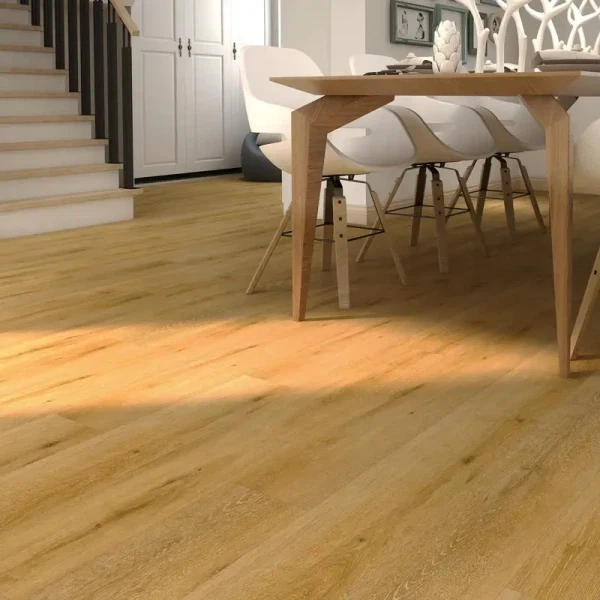
5mm is the thickness most North American and European distributors order as their core residential SKU. The core is rigid enough to bridge minor subfloor dips, the attached underlayment handles acoustics, and the plank still feels solid underfoot-the thin-plank hollow sound that plagues budget LVT is gone by this thickness.
It installs over concrete, plywood, and existing hard flooring within the flatness tolerance, and it is the floor you can lay in a morning and walk on the same day.
5.5mm is the crossover point where the collection starts pulling double duty. It is thick enough for busy family homes-kitchens, entryways, open-plan living-and it is the thickness that commercial specifiers begin to take seriously for light commercial installations like retail boutiques, cafés, and offices.
The click-lock profile at this thickness has more engagement surface, which means less plank separation under rolling loads and chair casters. If a buyer is unsure whether to stock 5mm or 5.5mm, the answer is usually 5.5mm: it costs slightly more per square metre and sells to a wider audience.
IV. 6mm, 7mm, and 9mm: Where Commercial Specs Start

6mm and 7mm are the commercial-capable thicknesses. The thicker core distributes point loads-chair casters, stiletto heels, rolling equipment-across a wider footprint, which is what prevents the permanent dents that thin flooring develops under sustained weight.
These are the planks specified for restaurants, retail chains, and office fit-outs, and they are the thicknesses with the higher wear-layer ratings. The commercial spec conversation is covered in depth in our commercial flooring guide-this page is about what the plank looks like in hand.
At 9mm, the plank has crossed into a different product category in feel. It is heavy, dense, and remarkably quiet underfoot. The core thickness delivers the closest thing this category offers to the solidity of an engineered wood floor, while keeping the waterproof, click-lock, low-maintenance behaviour of vinyl.
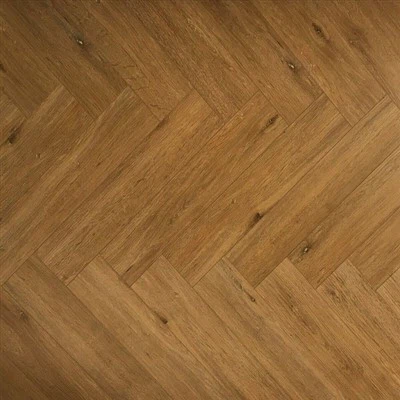
9mm is the premium tier: hotel corridors, high-end retail, and homeowners who want the thickest plank their budget allows. The wear layer on this tier is the thickest in the range, and the visual options are the widest-including the deep-grained oak and walnut looks in the collection.

V. Surfaces: Woodgrain, Stone, and Everything Between
Thickness decides where a plank performs. The surface decides whether anyone notices the floor. The print layer is photographic, and the embossing is registered-the texture is pressed to match the printed grain, so a knot in the print is a bump in the texture. Two families dominate the range.

Woodgrain surfaces cover the full spectrum from pale Scandinavian oak to dark walnut and smoked grey finishes. Oak remains the bestseller in every market we ship to; the colour tones are tuned regionally, with warmer honey tones preferred in North America and cooler greys in Europe and Asia.
Plank width also varies by design: wide-plank formats in the 5.5mm and 9mm tiers give the modern large-format look, while narrower planks suit traditional interiors and smaller rooms.
Stone surfaces replicate travertine, marble, slate, and limestone. These are the looks that compete directly with porcelain tile in kitchens, bathrooms, and commercial lobbies-with the difference that vinyl is warm underfoot, quieter, and installs without the mud work of a tiled floor.
The marble-effect planks in particular are a growing share of export orders, driven by the same stone-look trend that made marble UV wall panels popular-the visual of natural stone at a fraction of the weight and cost.

VI. Rooms: Where Each Thickness Belongs

Bedrooms and closets: 4mm and 4.5mm are ample. Traffic is light, and the savings are real on a room-by-room basis.
Living rooms and open-plan spaces: 5mm to 5.5mm. The extra core thickness keeps the floor quiet and solid underfoot where people gather.
Kitchens, entryways, hallways: 5.5mm minimum. Spills, grit, and constant traffic are the daily reality; the wear layer does the defending.
Commercial and hospitality: 6mm, 7mm, or 9mm with the heaviest wear layer. The core absorbs the load; the wear layer absorbs the traffic.
Bathrooms and basements: any thickness-vinyl plank is waterproof to the plank. The room-by-room specification guide maps the full selection logic room by room.
Frequently Asked Questions
Frequently Asked Questions About the SPC Flooring Collection
Common questions about the collection, thickness selection, and sourcing.
Q1: Which thickness should I stock for my market?
A: For most residential markets, 5mm is the volume SKU and 5.5mm is the value-add tier that most buyers upgrade to. For markets with a strong commercial segment, add 6mm or 7mm as the professional tier and 9mm as the premium tier. Stocking three thicknesses-entry, core, and premium-covers the price ladder without multiplying SKU complexity.
Q2: Can I mix woodgrain and stone surfaces in one container?
A: Yes. Mixed-surface containers are standard practice-typically 60–70 percent woodgrain and 30–40 percent stone, matching how the two surface families sell in most markets. Minimum per SKU applies (usually a pallet per design), and the loading plan in the packaging specification accounts for the mixed format. Contact our sales team with your target surface mix for a configured container plan.
Q3: Do all thicknesses pass the same test standards?
A: The full range is tested to ASTM F3261 and ISO 24337 for dimensional stability, lock strength, and heat resistance, with formaldehyde reported as not detected under ASTM D6007. Wear layer thickness varies by tier, so the abrasion classification differs between the value and commercial tiers. The certification guide covers what each test verifies.
Q4: Can I get samples of multiple thicknesses and surfaces?
A: Yes. Request a sample set covering the thicknesses and surfaces you are considering. Lay the samples on your actual subfloor, under your actual lighting, and walk on them for a week before deciding. The sample that looks best in a showroom is rarely the one that looks best in a hallway at 7 a.m. Request samples with your shortlist-free for qualified buyers.
See the Full Collection in Your Hands
4mm to 9mm, woodgrain and stone, click-lock and attached underlayment. Request the thickness and surface samples that match your market, with the datasheet for each tier.
View SPC Flooring RangeYUPSENI Team
23 years in PVC building material manufacturing and supply chain. We help importers build a flooring range that sells-thickness by thickness, surface by surface. More about YUPSENI
© 2026 YUPSENI. All rights reserved. Product specifications may vary by production batch. Always request current datasheets and physical samples before making procurement decisions.