PS Wall Panels Are Brittle: Why Lightweight Panels Crack | YUPSENI
Nov 02, 2026
The Panel Was Light Enough to Carry, and Brittle Enough to Break on the Way In
The lightness that makes these panels easy to carry is the same thing that makes them easy to break.
On This Page
The panels arrived light and easy to carry - that lightness was part of the appeal. Then the installer opened the first carton and found a chipped corner, a cracked edge, a grille bar snapped in two. The first thought was that the panel was defective.
The panel wasn't defective. It was brittle - and the lightness that made it so easy to carry is exactly what made it so easy to break.
I. The Corner That Broke in the Box
The damage usually shows up before the panel ever reaches the wall. A corner is chipped. An edge has a clean, sharp crack. A thin grille bar - the kind that gives the panel its decorative lattice - has snapped in half, cleanly, like a biscuit. It looks like rough handling, and sometimes it is. But more often, the panel was handled the way its lightness invited, and the material answered in the only way it can.
The temptation is to send the carton back and blame the factory. And there is a version of this story where the factory is at fault - poor packaging, too little padding, a grade that was never going to survive the trip. But there is another version, far more common, where the factory did everything right and the panel still broke, because the material itself is brittle, and brittleness does not need a violent blow. A bump, a drop of a few centimetres, a knock against a door frame - that is enough.
The panel wasn't defective. It was brittle.
And the reason it is brittle is the same reason it was so pleasant to carry.
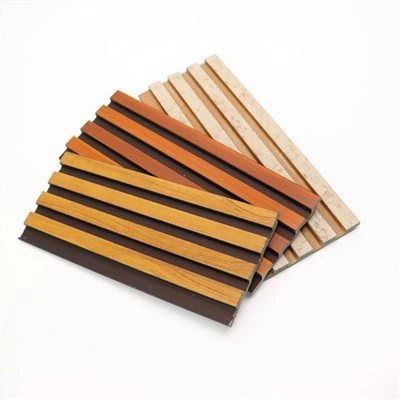
A chipped corner rarely needs a hard blow. A bump is usually enough.
II. Light Means Low Density, and Low Density Means Brittle
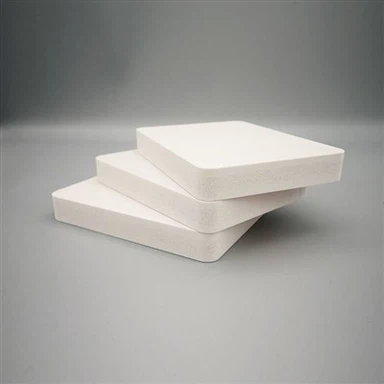
The lightness of a PS wall panel is not a surface detail; it is the panel's entire structure speaking. PS - polystyrene - is a rigid, glassy plastic, and in wall-panel form it is typically expanded or foamed to keep the weight down. That foaming fills the material with tiny cells of air, which is why a large panel can be lifted with one hand. It is also why the panel is brittle.
The air cells that make the panel light do nothing to make it tough. In fact, they do the opposite. A solid material can absorb a blow by deforming slightly and springing back. A foamed material cannot - the cell walls are thin, and when force lands on them, they do not bend; they break. The panel is a honeycomb of tiny, fragile walls, and every knock against one of those walls is a knock against something that cannot yield.
This is the trade at the heart of the product. Lightness is a genuine advantage: easier handling, lower shipping cost, less load on the wall, simpler installation for one person. But it is not free. The lightness and the brittleness come from the same place - the foamed, low-density structure - and you cannot have the one without the other. A panel that weighs less is a panel with more air in it, and a panel with more air in it is a panel that breaks more easily.
The lightness was the selling point. It is also the warning, if you know how to read it.
A light panel is a foamed panel, and a foamed panel is full of thin cell walls that break instead of bending. Lightness and brittleness are the same feature.
III. Where It Breaks First
Brittleness is not evenly distributed. It concentrates in the places where the material is thinnest, sharpest, or most exposed, and those are the places a careful installer learns to watch.
| Weak point | Why it fails | Typical damage |
|---|---|---|
| The corners | Stress concentrates where two edges meet | Chipped corner |
| The edges | A thin, unsupported lip | Clean crack or notch |
| Fine grille bars | The smallest cross-section on the panel | Snapped bar |
| The cut line | A fresh cut leaves stress and micro-cracks | Crumbled edge, chipping |
The corners go first because they are the point where two edges meet, and any impact there has nowhere to spread. Drop a panel so it lands on a corner, and the corner takes the whole force on a small, sharp point - and a brittle material answers a concentrated force by shattering locally.
The fine grille bars are the most fragile feature of all. The decorative lattice that gives some PS panels their look is made of thin, narrow strips, and a strip has almost no material to absorb a blow. What would dent a solid panel simply breaks a grille bar in two. The thinner and more delicate the pattern, the more careful the handling has to be - and the more likely that a panel arrives from the factory already missing a bar.
The cut line deserves its own caution. Cutting a brittle panel with a dull blade or too much pressure does not slice the material cleanly; it crushes and tears it, leaving a ragged edge full of tiny cracks. Those cracks then spread under the next knock, and the panel fails along the very line the installer just made.
Knowing where a material is weakest is the first step to handling it without breaking it.
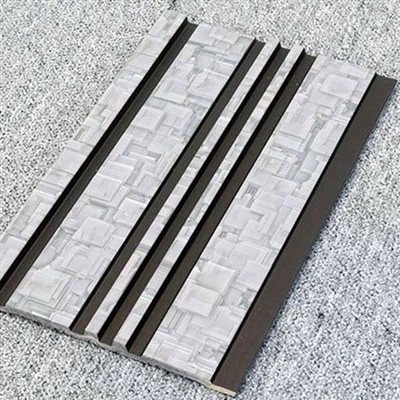
The thinner the grille bar, the easier it snaps. The pattern that sells the panel is also its weakest point.
IV. The Tougher Plastic Next to It
The clearest way to understand PS is to set it beside its main rival: PVC. Both are plastics, both are used for wall panels, and both look, at a glance, like they should behave the same way. They do not.
PVC is tough in the engineering sense: it yields a little under stress, bends instead of breaking, and can absorb a knock that would crack a rigid material. A PVC panel can be flexed, carried at an awkward angle, and bumped against a wall without much complaint. PS is the opposite. It is rigid and glassy, and under stress it does not bend - it fractures. The same knock that a PVC panel shrugs off is the knock that chips the corner of a PS panel.
The difference is not a matter of one being "better" in every way. PS is lighter and often cheaper, which is why it wins on price and ease of handling. PVC is tougher and more forgiving, which is why it wins on durability and installation tolerance. The grade of the panel matters, but the material sets the ceiling: a PS panel, however well made, is still a brittle panel, and it will always demand more care than a PVC panel would.
The buyer who understands this stops being surprised by the chipped corner. They plan for it.
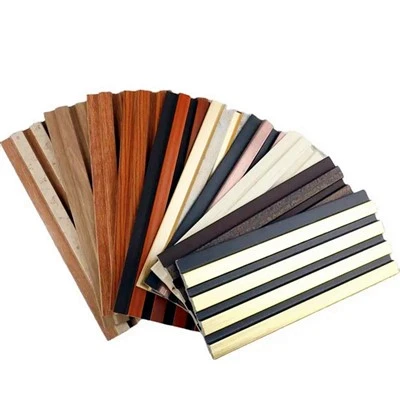
PVC bends. PS fractures. The same knock that one shrugs off, the other answers with a crack.
V. Carry It Like It's Glass
The brittleness is not a reason to avoid PS wall panels. It is a reason to handle them with the respect their structure demands - and the handling is almost all habits, not expertise.
Protect the corners and edges. The corners are the first casualty, so they deserve the first attention. Carry panels flat, support them along the edges, and set them down gently instead of dropping them. A little extra care at the corners prevents most of the damage.
Cut with a sharp blade, not a saw that crushes. A clean, sharp cut leaves a clean edge; a dull or heavy tool crushes the foam and leaves micro-cracks that spread later. For the fine grille panels, cut slowly and support the line you are cutting.
Fasten gently. A PS panel does not respond well to being knocked into place. Pre-drill where needed, use the recommended fasteners, and avoid hammering the surface - a hammer blow concentrated on a small point is exactly what the material cannot take.
None of this is difficult. It is simply the difference between treating the panel as a lightweight convenience and treating it as what it actually is: a light, brittle sheet that repays careful hands with a clean installation, and punishes rough hands with a broken corner.
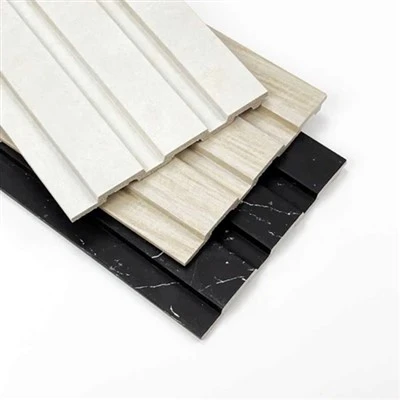
Handled with care and cut with a sharp blade, the panel goes up clean - no chips, no cracks.
The Lightness Was the Warning
A PS wall panel is an honest product: it is light, it is affordable, and it is brittle, and all three come from the same place. The chipped corner and the snapped grille bar are not a betrayal of the material's promise - they are the promise, read correctly. Lightness was always going to cost toughness, and the buyer who understands that stops fighting the material and starts working with it.
Carry it flat, cut it sharp, fasten it gently, and the panel rewards the care with a clean, trouble-free installation. Treat the lightness as a free pass to be rough, and the panel will send back a broken corner as its answer. The lightness was the selling point - and it was also the warning.
Get panels that arrive whole
The right grade, the right packaging, and handling guidance that protects every corner.
Request a Quotation Browse PanelsFrequently Asked Questions About PS Wall Panel Brittleness
Answers to the questions that come up when a lightweight panel arrives with a broken corner.
Q1: Why do PS wall panels break so easily?
A: They are lightweight because they are foamed, and the foamed structure is full of thin cell walls that fracture instead of bending. Lightness and brittleness come from the same structure.
Q2: Is a chipped panel a sign of poor quality?
A: Not necessarily. A well-made PS panel is still brittle, and a small knock on a corner can chip it. Quality matters, but the material sets a limit on how much abuse it can take.
Q3: Why are PS panels lighter than PVC panels?
A: PS panels are often foamed with tiny air cells to reduce weight, while PVC is a denser, tougher material. The lower density is what makes them light - and more brittle.
Q4: Where do PS wall panels break first?
A: The corners and edges chip first, and fine grille bars snap easily because they have the smallest cross-section. A ragged cut line can also crack and spread.
Q5: How can I install PS wall panels without damaging them?
A: Carry them flat and support the corners, cut with a sharp blade, and fasten gently without hammering. Careful handling prevents most chipping and cracking.
YUPSENI Team
23 years in PVC building material manufacturing and supply chain. We help importers, distributors, and project buyers source SPC flooring, PVC foam boards, wall panels, and fencing that pass compliance the first time. More about YUPSENI
© 2026 YUPSENI. All rights reserved. The information in this article is for general informational purposes only and does not constitute professional advice. Product specifications may vary by region and production batch. Always request current datasheets before making procurement decisions.