

Why Your PVC Supplier's Delivery Date Keeps Slipping: Lead Time Truth | YUPSENI
Nov 03, 2026
Your Supplier Promised 30 Days. The Factory Never Had 30 Days to Give
A full production line is not a promise of speed. It is a queue, and your order is in it.
On This Page
The contract said 30 days. Four weeks later, the factory told you the materials hadn't even arrived. The date slipped, then slipped again, and the container you planned for October is now a container you're praying lands before Christmas. The whole process felt like it was drifting.
The supplier wasn't lazy. The 30 days simply never existed - not as a real schedule, anyway. What you were given was a hope, dressed up as a promise, for a process that was always going to take longer than anyone admitted.
I. The 30 Days That Was Never 30 Days
The slip usually starts small. A promised dispatch date passes, and the factory asks for one more week. Then another. Then the container booking gets pushed, and the "30 days" on the contract has quietly become sixty, with no single dramatic moment of failure - just a slow, steady drift away from the date everyone agreed to.
The temptation is to see this as a broken promise, a supplier who either lied or lost control. Sometimes that is true. But more often, the truth is stranger and more structural: the 30 days was never a schedule. It was a number the salesperson believed would be possible, written down at the moment when believing it was easiest, before any of the real constraints had even begun to move.
The 30 days never existed.
And to see where it went, you have to look at the process a delivery date is supposed to describe - a process that begins, not when the pen hits the contract, but somewhere else entirely.

The finished planks are the last step of a chain that started weeks before - and none of it began on signature day.
II. The Order Doesn't Start When You Sign
The first hidden delay lives in a habit most buyers never see: a factory does not keep your raw materials waiting on a shelf. It does not stock months of PVC resin, calcium carbonate, stabilisers, and colourants against the day your order arrives. That would tie up working capital in idle inventory, and no healthy factory operates that way. Instead, it buys materials after the order is confirmed - and the clock on those materials starts then.
That means the first one to two weeks of your "30 days" can disappear before production has made a single sheet. The resin has to be ordered, shipped, and checked. A special colour has to be compounded. A custom profile needs a die or a mould, and tooling has its own lead time. If the material price is falling, the factory may even wait a few days before buying, hoping to lock in a better cost - a wait that is invisible to you and very real to the schedule.
None of this is dishonesty. It is the ordinary physics of manufacturing, compressed into a line item that the contract simply does not show. The order did not start when you signed. It started when the raw material arrived, and that was always going to take a slice of the time you were promised.
| Stage | What the 30 days assumed | What actually happens |
|---|---|---|
| Raw materials | In stock, ready to go | Ordered after you sign, one to two weeks to arrive |
| Production slot | Available immediately | Queued behind other orders |
| Tooling / setup | Already configured | Die or mould changes eat days |
| Inspection | Passes first time | Rework and re-inspection add days |
| Freight | Space on the next vessel | Waiting for a booking in a full season |
Each line of that table is a place where the optimistic date quietly lost a few days. The 30 days was the sum of everything going perfectly. It almost never does.
A custom profile doesn't begin with extrusion. It begins with the die, the compound, and the materials - all of them on their own clock.
III. Why Your Order Waits Behind Bigger Ones
Even once the materials are in the warehouse, the order does not automatically move to the front of the line. A factory's production floor is a finite resource - a set number of extrusion lines, running a set number of hours - and it is scheduled according to priorities that have nothing to do with fairness.
The queue favours the orders the factory cannot afford to disappoint. A long-standing customer with monthly volumes gets their slot first. A large one-off order that fills a container keeps the line busy. A small order from a new buyer is the easiest thing in the world to nudge, and so it is the first thing to be nudged. Your order is not being punished; it is simply the most flexible item on a rigid board, and flexibility in a queue means waiting.
Then there is the season. Building-material demand runs in waves, and in the peaks the whole factory is oversubscribed. Every line is committed, every slot is spoken for, and even the factory's best customers are asking for favours. A lead time quoted in the quiet season has almost nothing to do with the lead time that applies in the rush. The same product, the same factory, the same buyer - different dates, because the queue behind you changed shape.
The queue is invisible from the outside, but it is the single biggest reason a promised date slips. And it is decided before your order even reaches the floor.
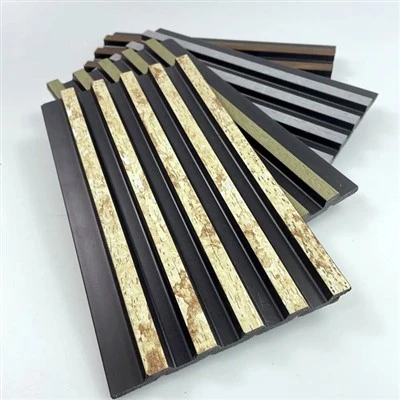
Your order doesn't fail the queue. It just sits in it, behind the ones the factory can't afford to delay.
IV. The Last Mile That Isn't a Mile
Suppose everything before this point went perfectly - materials on time, a slot on the line, production done without a hitch. The order still has two legs to travel, and both of them are slower than anyone plans for.
The first is inspection. A conscientious buyer asks for quality control - a batch record, a lab test, sometimes a third-party inspection before the goods leave the factory. That is wise, but it takes time, and it takes more time when something fails. A colour that is off-spec, a thickness that drifted out of tolerance, a surface flaw in the first run - each one means rework, and rework means the finished goods go back into the queue for another pass. The inspection that catches a problem is the inspection that also delays the shipment.
The second is freight, and this is where even a finished, inspected, packed order can sit for days or weeks. A container needs a booking, and in a full season the bookings run out. The goods wait in the warehouse, ready and helpless, while the vessel they were meant for sails without them. Port congestion, schedule changes, and the ordinary chaos of global shipping all sit on top of the manufacturing time - none of it within the factory's control, all of it inside your delivery date.
The last mile of a shipment is not a mile. It is a queue of its own, made of inspection and freight, and it is where a "finished" order waits longest.

Finished goods don't ship the day they're packed. They wait for inspection, for a booking, for a vessel - and the wait is invisible until it happens.
V. Read the Date Backwards
The fix is not to find a supplier who promises faster. It is to ask the questions that make a delivery date real - and the first question is about the calendar itself.
Ask for the date backwards. Instead of accepting "30 days," ask the supplier to walk you through it in reverse: when does the raw material arrive, when does the order go on the line, when does inspection happen, when is the container booked. A supplier who can answer those questions has a schedule; a supplier who cannot is guessing.
Ask what "30 days" leaves out. Find out whether the date covers only production, or also material procurement, inspection, and freight. A "production lead time" is a different number from a "delivery lead time," and the gap between them is where most surprises hide.
Build your own buffer. A date that assumes everything goes perfectly is a date that will fail. Leave room for the rework, the queue, and the freight - not because the supplier is untrustworthy, but because the process is long.
The best way to protect a delivery date is to understand where it comes from. A well-planned container, a factory with real production capacity, and a buyer who reads the date backwards - that combination is what actually delivers on time.
The Date Was Always a Process, Never a Promise
A delivery date feels like a promise, but it is really a projection - a guess about how a long chain of events will unfold. Materials, queueing, production, inspection, freight: each one is a real step with real time attached, and each one can slip without anyone lying or failing. The 30 days was never a lie. It was a best case, written down at the moment when best cases are easiest to believe.
The buyer who understands this stops treating the date as a guarantee and starts treating it as a chain to be examined. Ask how the date was built, walk it backwards, and leave room for the world to be imperfect - and the delivery that follows will be far closer to the one you were promised. The date was never the problem. The problem was reading a process as if it were a promise.
Get a date you can walk backwards
Real production capacity, in-house lab, and a schedule we can explain step by step.
Request a Quotation About Our FactoryFrequently Asked Questions About Supplier Lead Times
Answers to the questions that come up when a promised delivery date keeps slipping.
Q1: Why does my supplier's delivery date keep slipping?
A: Because the date was built on a best case - materials, production slot, inspection, and freight all going perfectly. Each of those stages can slip, and the slips add up.
Q2: Does the lead time start when I sign the contract?
A: No. A factory usually buys raw materials after the order is confirmed, so the clock starts when materials arrive - which can consume one to two weeks of the promised time.
Q3: Why do smaller orders get delayed more often?
A: Production queues favour large and long-standing customers. A small new order is the easiest to nudge, so it waits behind the orders the factory cannot afford to disappoint.
Q4: Why does the container wait even after production is done?
A: Finished goods still need inspection and a freight booking. In a full season, vessel space runs out, and the goods wait in the warehouse for a booking that has not opened.
Q5: How can I get a realistic delivery date?
A: Ask the supplier to walk the date backwards - materials, production, inspection, freight - and build your own buffer. A date you can explain is a date you can trust.
YUPSENI Team
23 years in PVC building material manufacturing and supply chain. We help importers, distributors, and project buyers source SPC flooring, PVC foam boards, wall panels, and fencing that pass compliance the first time. More about YUPSENI
© 2026 YUPSENI. All rights reserved. The information in this article is for general informational purposes only and does not constitute professional advice. Product specifications may vary by region and production batch. Always request current datasheets before making procurement decisions.


