SPC Flooring Underlayment: IXPE vs EVA Backing Explained | YUPSENI
Oct 22, 2026
The Underlay Nobody Specs: How an SPC Backing Decides Feel, Sound, and Heat
The soft step and the quiet room come from a foam sheet nobody ever looks at.
On This Page
When an SPC floor feels soft underfoot, or goes quiet when a chair scrapes across it, the credit almost never goes where it belongs. Buyers praise the floor. The actual work was done by a thin foam sheet glued to the back of every plank.
That sheet is the underlayment - the cheapest layer in the entire floor, and the one that decides the three things buyers care about most.
I. The Layer Nobody Looks At
Every buying decision about a floor happens on the top side. Buyers kneel to study the colour, run a thumb over the texture, peer at the wear layer, and debate the pattern. The plank gets flipped over only long enough to check it has a locking mechanism, and then it is laid face-up and never thought about again.
Yet the underside is where the experience lives. The feel of the floor under a bare foot, the thud of a dropped plate, the warmth that rises through it from the heating system below - all three are shaped by a layer of foam that most buyers never name, never compare, and never spec.
The back of the plank is doing the work nobody pays attention to.
And because nobody pays attention, it is also where a floor's quality can quietly be decided - or quietly be stripped away.

The side everyone studies is only half the floor - and not the half that decides the comfort.
II. What the Backing Is Actually Doing Down There
The foam backing is not decoration. It has three real jobs, and each one maps to a complaint buyers later make when the backing is wrong.
First, comfort. An SPC core is stone-heavy and rigid, which is excellent for stability and terrible for underfoot feel. The backing is the cushion that softens the step. Strip it away and the same plank goes from pleasant to punishing.
Second, sound. This is the one most worth understanding, because the backing only solves half the noise problem - the half nobody bothers to name. When you walk across a floor or drop a key, the sound is a physical impact transmitted straight down through the plank. That impact noise is exactly what a resilient foam backing absorbs, by giving the plank a soft place to land. What the backing does not do is stop airborne sound - voices, music, the neighbour's television - because those need mass, not a cushion. Different problem, different tool.
Third, levelling. A subfloor is never perfectly flat. The backing compresses where the floor is high and stays full where it is low, quietly absorbing the small imperfections that would otherwise make a rigid plank bridge, flex, and click underfoot.
Comfort, impact sound, and levelling. Three jobs, one thin sheet, and almost no buyer ever asks how well that sheet does them.
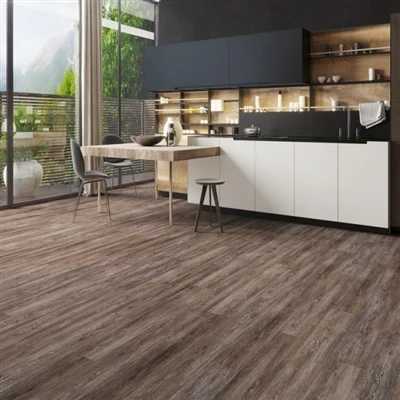
The foam on the underside is the floor's cushion, shock absorber, and leveller all at once.
III. IXPE and EVA: Two Sponges, Different Patience
Most SPC backing is one of two foams, and the difference between them is not about how soft they feel on day one. It is about how long they keep that softness.
| Property | IXPE backing | EVA backing |
|---|---|---|
| Material | Cross-linked polyethylene foam | Ethylene-vinyl acetate foam |
| Long-term resilience | Keeps its spring for years | Flattens and loses cushion over time |
| Water resistance | Closed-cell, excellent | Good |
| Odour | Low | Sometimes noticeable, especially cheap grades |
| Relative cost | Higher | Lower |
| Best for | Durable, quiet, heating-compatible floors | Budget and light-use areas |
The word that matters here is resilience. A floor that feels soft the day it is installed has done nothing special; any foam feels soft the first time you stand on it. The question is whether it still feels soft five years later, after thousands of footsteps have compressed it. IXPE is cross-linked at the molecular level, which gives it a memory - it springs back and keeps springing. Cheap EVA compresses and, slowly, gives up.
The difference is invisible in the showroom and obvious in the living room, a year or two after the furniture has settled in and the traffic patterns have worn themselves into the floor.
Two foams, the same first impression, and two very different futures. The price gap between them is real, but it is not a bargain - it is the cost of patience, paid up front or paid later.
Any foam feels soft on day one. Resilience - the ability to keep feeling soft after years of footsteps - is what you are actually paying for.
IV. Why a Thicker Backing Is Sometimes a Worse One
Up to this point the message sounds simple: buy the better foam, and thicker must be better for comfort. Then underfloor heating enters the room and flips the logic on its head.
A foam backing is an insulator. That is part of why it cushions and quiets. But between a heated subfloor and your feet, an insulator is the last thing you want, because it slows the heat's journey upward. The thicker and denser the backing, the more heat it traps underneath the plank instead of letting it through to the room.
So the two goals pull in opposite directions. Comfort wants thickness; heating wants thinness. Buy a thick, plush backing for a room with underfloor heating and you get a soft floor that takes longer to warm, runs the heating harder, and costs more to keep warm - a compromise that feels luxurious and behaves inefficiently.
The answer is not to pick a side blindly, but to match the backing to the floor's job. A heating-compatible floor uses a thinner, low-resistance backing and accepts a slightly firmer step. A comfort floor without heating can take the thicker cushion. This is exactly the kind of trade-off that gets settled before installation, not discovered in the first winter energy bill. The relationship between SPC and underfloor heating is a spec problem, and the backing is where it quietly gets decided.
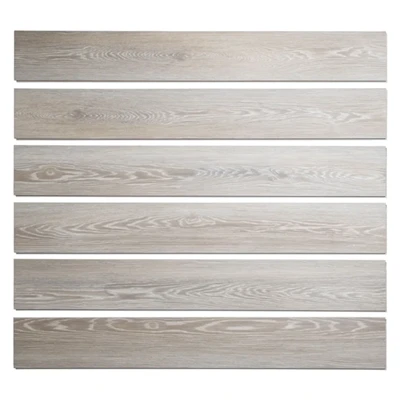
Underfloor heating wants heat to pass through the plank - and a thick backing is the thing standing in the way.
V. Turn the Plank Over Before You Pay
Everything above turns into a short inspection routine, and it starts with the side of the plank you were never shown.
Identify the foam. Ask whether the backing is IXPE or EVA, and hold out for the answer in writing. A supplier who will not say which foam is on the back of the plank is not hiding a trivial detail.
Press it and let go. A good backing springs back quickly and fully. A cheap one stays dimpled, or returns slowly. That five-second test is a preview of what the floor will feel like after a few years of traffic.
Smell it. A noticeable chemical odour from the backing is a warning sign, usually pointing at low-grade EVA or reclaimed material. Good IXPE is nearly odourless.
Check the bond. Peel a corner gently. The backing should be firmly and evenly glued, not lifting at the edges or coming away in sheets. A backing that separates is a backing that will fail under the first heavy furniture.
Four checks, under a minute, on the part of the floor most buyers never inspect. It is the cheapest quality audit you will ever run, and it targets precisely the layer where the feel, the sound, and the heating cost are actually decided.
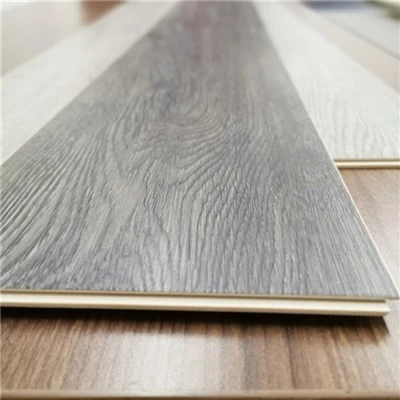
Flip the plank, press the foam, and the floor's future gets a lot easier to predict.
The Cheapest Layer Buys the Richest Experience
There is a quiet irony in how SPC flooring is bought. The most expensive, most scrutinised parts of the plank - the wear layer, the print, the core - are the parts that show. The cheapest, most ignored part is the one that decides whether the floor feels soft, sounds quiet, and warms the room without draining the heating bill.
The backing is not where the marketing budget goes, because nobody takes a photograph of it. But it is where the daily experience lives, year after year, step after step. Turn the plank over before you commit. The floor you live with is built from the side you almost never look at.
Spec the side of the floor you actually feel
Ask about the backing - foam type, thickness, and heating compatibility - before you order.
Request a Quotation Browse SPC FlooringFrequently Asked Questions About SPC Underlayment
Answers to the questions that come up when buyers finally look at the back of the plank.
Q1: What is the underlayment on an SPC floor?
A: It is a foam sheet, usually IXPE or EVA, glued to the back of every plank. It provides cushioning, absorbs impact noise, and helps level minor subfloor imperfections.
Q2: What is the difference between IXPE and EVA backing?
A: IXPE is cross-linked polyethylene foam - resilient, long-lasting, low odour, and more expensive. EVA is softer and cheaper but flattens over time and may smell. IXPE keeps its spring for years; EVA often does not.
Q3: Does a thicker backing make an SPC floor softer?
A: Yes, up to a point, but thickness is not the whole story. A thin, resilient IXPE can outlast a thick, low-grade EVA. And thicker is not always better under heating.
Q4: Does the backing affect underfloor heating?
A: Yes, significantly. Foam insulates, so a thick backing slows heat transfer and raises running costs. Heating-compatible floors use a thinner, low-resistance backing.
Q5: How do I check the backing quality before buying?
A: Identify the foam type, press it to see if it springs back quickly, smell it for chemical odour, and peel a corner to check the glue bond. Four checks, under a minute.
YUPSENI Team
23 years in PVC building material manufacturing and supply chain. We help importers, distributors, and project buyers source SPC flooring, PVC foam boards, wall panels, and fencing that pass compliance the first time. More about YUPSENI
© 2026 YUPSENI. All rights reserved. The information in this article is for general informational purposes only and does not constitute professional advice. Product specifications may vary by region and production batch. Always request current datasheets before making procurement decisions.