Do PVC Wall Panels Soundproof? The Honest Answer | YUPSENI
Oct 21, 2026
Why PVC Wall Panels Don't Soundproof: The Structure Does the Work
The word "acoustic" sells a lot of panels. The physics behind it is a different story.
On This Page
Ask a supplier whether their PVC wall panels reduce noise, and the answer is almost always yes. The word "acoustic" sits right in the product name, and the buyer - hoping for a thin, cheap, good-looking way to quiet a room - wants to believe it.
The physics disagrees.
I. The Promise Everyone Wants to Believe
Noise is one of the few problems people hope to solve with something thin and pretty. A real acoustic fix - thick walls, heavy doors, sealed gaps - is ugly, expensive, and structural. So the market supplies a prettier story: a decorative panel that allegedly quiets the room while it decorates it.
PVC wall panels stepped into that story perfectly. They are cheap, they are light, they install over almost any surface, and they look finished. Add the word "acoustic" to the name and the deal closes itself: the buyer gets a good-looking wall and, so the story goes, a quieter room.
But a product name is not a physical property. And when the claim is tested against how sound actually behaves, the panel's role turns out to be almost entirely cosmetic.
The confusion is not really the buyer's fault. It is buried in a single word that means two different things, used as if it meant one.
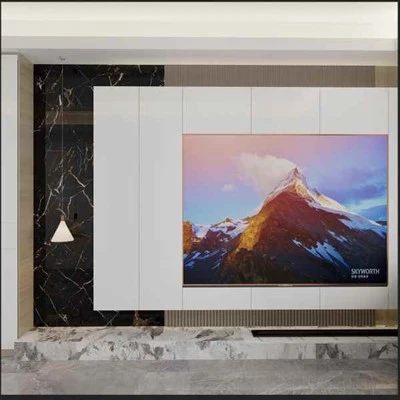
The panel looks finished - but looking finished is not the same as sounding quiet.
II. "Acoustic" Is Two Different Words Wearing One Coat
Here is the single most useful distinction in all of noise control, and it is the one almost no sales conversation makes: absorbing sound and blocking sound are two different jobs, solved by two opposite kinds of material.
| What it does | Sound absorption | Sound blocking |
|---|---|---|
| The problem it solves | Echo and reverberation inside a room | Noise passing from one room to another |
| How it works | Soft, porous material turns sound into heat | Heavy mass reflects or stops the sound |
| Typical materials | Foam, fabric, mineral wool | Concrete, thick plasterboard, dense walls |
| Can a PVC panel do it? | Almost not at all | Almost not at all |
The two jobs are so different that the materials which excel at one usually fail at the other. A slab of soft acoustic foam will swallow the echo in a room beautifully and do nothing to stop the neighbour's television coming through the wall. A solid concrete wall will block the television superbly and bounce the echo around the room it protects.
Light, fluffy things absorb. Heavy, dense things block. That single rule explains nearly every noise complaint, and it is the rule the word "acoustic" quietly erases by blurring the two together.
A buyer who wants a quieter room is usually describing two problems at once and does not know it. The panel is sold as the answer to both. The reality is it is the answer to neither.
Light things absorb, heavy things block. A PVC wall panel is light - so it blocks almost nothing and absorbs almost nothing.
III. A Light Plastic Panel Against the Laws of Physics
Soundproofing obeys a rule so reliable it has a name: the mass law. The heavier and denser a barrier, the more sound it stops. Double the mass and you gain a measurable improvement in blocking, every time, across nearly every frequency that matters in a home.
A PVC wall panel is about as far from heavy as a building material gets. It is a thin sheet of foamed or solid plastic, engineered to be light so it is easy to cut, carry, and stick to a wall. Those are excellent qualities for a decorative surface. They are fatal qualities for a sound barrier, because the panel simply does not have the mass to push back against sound waves.
And it gets worse on the absorption side. A hard, smooth plastic surface does not soak up sound; it reflects it, the way a tiled bathroom throws your voice back at you. So the panel is not neutral on noise. By adding a large, smooth, reflective surface to a room, a PVC wall can actually make the echo slightly livelier rather than calmer.
A sheet of plastic stopping sound is like a sheet of paper stopping water. The paper is not the wrong brand. It is the wrong material for the job, and no product name will change that.
None of this makes PVC wall panels bad. It just makes them what they are: excellent coverings and indifferent acoustics.
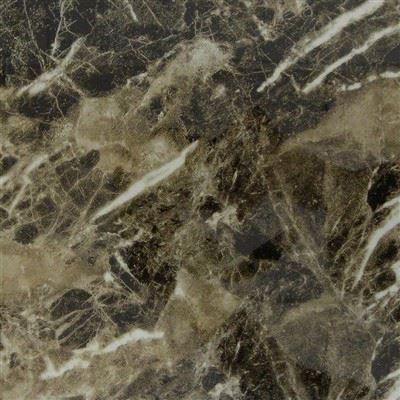
A smooth, hard surface reflects sound - it does not soak it up.
IV. What Actually Stops Noise in a Wall
If the panel does not do the work, what does? Three things, and they are all structural.
Mass. The first and most honest tool. Add another layer of dense board, or build with heavier material, and the wall blocks more sound simply because there is more of it to push against.
Decoupling. Sound loves a continuous path. Break the path - separate the two sides of the wall with resilient channels or a gap, so one face cannot pass vibration directly to the other - and the noise loses its bridge.
Sealing. Sound behaves like water: it finds every crack, gap, and unsealed edge. A wall full of mass and decoupling still leaks noise through an unsealed socket or a gap at the floor. The quietest wall is the one with no holes in it.
Where a cavity exists, filling it with soft absorbent insulation helps too, but not because the insulation is heavy. It works inside the structure by trapping the energy bouncing around the air gap. The combination - mass on both sides, a decoupled cavity, absorption in between - is what engineers call a mass-spring-mass system, and it is the quietest assembly ordinary construction can buy.
Notice what is absent from that list: the decorative surface. A PVC panel can sit on top of a properly built wall and look beautiful, but the quiet comes from what is underneath it. This is the honest version of what a wall panel actually contributes to a build - finish, not physics.
V. Decide the Problem Before You Buy the Panel
None of this means you should avoid PVC wall panels. It means you should buy them for the right reason, and solve noise with the right tool.
The whole decision collapses into one question: which problem are you actually trying to solve? If the room echoes and sounds harsh - footsteps ring, voices bounce - you want absorption, and you want soft, porous surfaces and furnishings, not a hard plastic sheet. If the problem is sound coming through the wall from next door, you want blocking, and that means mass, decoupling, and sealing, none of which a decorative panel provides.
Buy the panel because it is waterproof, easy to clean, quick to install, and good-looking. Buy it as the finish on a wall that is already doing its acoustic job. Just do not buy it as the acoustic job itself, because that is the one role it was never built to play.
When the panel is treated as what it is, the installation becomes simpler, the expectations become honest, and the room ends up quieter - not because the panel did the work, but because the buyer finally aimed the right tool at the right problem.
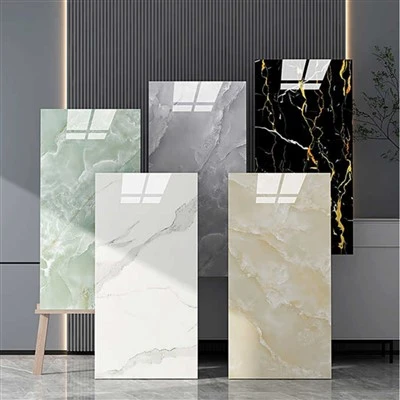
The panel's real talents are water resistance, cleaning, and looks - and those are worth plenty on their own.
The Word "Acoustic" Was Doing the Selling
The whole misunderstanding rests on one word doing too much work. "Acoustic" promises a quieter room, but it cannot decide whether you mean less echo or less bleed-through, and it certainly cannot make a thin plastic sheet heavy enough to block sound or porous enough to absorb it.
PVC wall panels are honest products when you buy them for what they are: clean, waterproof, good-looking coverings. They become dishonest the moment they are sold as the thing that silences a room. Know which problem you are solving, choose the tool that actually solves it, and let the panel do the one job it was always good at - looking finished.
Buy the panel for what it does, not what it promises
Tell us the room and the problem, and we'll help you pick the right finish.
Request a Quotation Browse ProductsFrequently Asked Questions About PVC Wall Panels and Sound
Answers to the questions that come up once the word "acoustic" gets examined closely.
Q1: Do PVC wall panels soundproof a room?
A: No. A PVC panel is too light to block sound passing through a wall. Its hard, smooth surface reflects sound rather than absorbing it.
Q2: What is the difference between sound absorption and soundproofing?
A: Absorption reduces echo inside a room using soft, porous materials. Soundproofing blocks noise passing between rooms using heavy, dense mass. They are two different jobs, often solved by opposite materials.
Q3: Why are they called "acoustic" panels if they don't block sound?
A: "Acoustic" is a marketing word that blurs the difference between absorbing and blocking. A panel may look acoustic, but a name is not a physical property.
Q4: What actually stops noise through a wall?
A: Mass, decoupling, and sealing. Add dense layers, break the vibration path between the two faces, and seal every gap. A cavity filled with absorbent insulation helps too.
Q5: Can PVC wall panels help with echo in a room?
A: Barely, and sometimes in the wrong direction. A hard plastic surface reflects sound, which can make echo slightly worse. Echo is better controlled with soft, porous materials and furnishings.
YUPSENI Team
23 years in PVC building material manufacturing and supply chain. We help importers, distributors, and project buyers source SPC flooring, PVC foam boards, wall panels, and fencing that pass compliance the first time. More about YUPSENI
© 2026 YUPSENI. All rights reserved. The information in this article is for general informational purposes only and does not constitute professional advice. Product specifications may vary by region and production batch. Always request current datasheets before making procurement decisions.