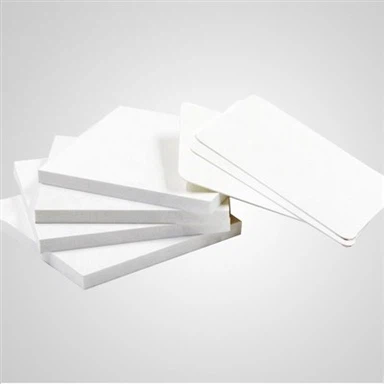
Recycled PVC Fence: Why a Cheap Vinyl Fence Price Is a Warning | YUPSENI
Oct 20, 2026
The Recycled Vinyl Hiding in Cheap PVC Fencing: Why the Price Was Too Good to Be True
Two white fences can look identical on the outside and carry entirely different histories inside.
On This Page
Two PVC fences sit side by side in a showroom - same profile, same white, same wall thickness. One costs nearly a third less. The buyer who takes the cheaper one walks away feeling clever.
That feeling usually lasts until the first cold snap, or the first summer that turns the cheap white fence grey.
I. Two Identical Fences, Two Different Histories
A PVC fence looks like a single, simple thing: a white rail extruded from plastic. But every rail is a physical record of the material that went into it, and two rails that measure the same on a caliper can have lived completely different lives before they ever reached the showroom.
The difference is not in the recipe card most buyers imagine - the same compound, the same machine, the same shape. The difference is in whether the PVC is fresh or whether it has already been through a product, a life, and a melt once before.
Fresh resin, called virgin PVC, starts its life as a clean polymer with full-length molecular chains and predictable behaviour. Recycled vinyl is what comes out the other side of a used product - old window frames, retired pipes, discarded fencing - ground up and melted down to be extruded again.
On the surface, the two fences are twins. Under the skin, one of them has already started ageing before it was even built.
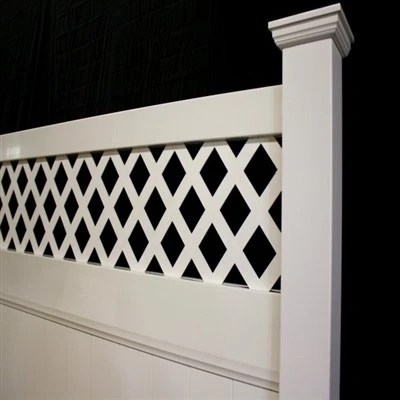
The profile and the white are the same. The molecular history underneath is not.
II. What the Recycled Rail Is Hiding
To see what recycled vinyl is hiding, you have to understand one thing about PVC that almost no datasheet explains: every time the material is heated and processed, it degrades a little.
PVC is not a plastic that can be melted and remelted indefinitely without consequence. Each trip through an extruder applies heat and shear that snaps some of the long molecular chains and strips away chlorine from the backbone. That damage is permanent. It shortens the chains that give the material its toughness, and it leaves behind the chemical fragments that give old PVC its familiar yellow-grey cast.
Now take that already-damaged material - already used outdoors for a decade, already baked by the sun, already carrying a full thermal history - and melt it a second or third time to make a "new" fence. The chains are shorter now, the colour darker, the toughness spent. What comes out of the die still looks like a fence. What it no longer has is the structural patience that let the original material survive its first life.
A recycled rail is not a fence that happens to be a little weaker. It is a material that has already used up part of its life being something else.
And that is the part the low price is quietly paying for - a head start on ageing that the buyer never sees, because it happened to the plastic before the plastic was a fence.
PVC degrades every time it is melted. A recycled rail has already paid part of its lifespan - as a window, a pipe, or a fence - before you ever buy it.
III. The Damage Is Baked In Before the Fence Is Born
The degradation in recycled vinyl shows up as three practical failures, and none of them can be fixed after the fact. They are baked into the material at the molecular level.
First, it turns brittle. Shortened molecular chains mean less give, less impact resistance, and a rail that snaps in the cold where a virgin rail would flex. A recycled fence is a fence that has already crossed part of the distance toward the brittleness that age brings - it just arrives at the brittleness sooner.
Second, it yellows. The same degradation that snaps chains also creates the chemical structures that discolour PVC. A recycled fence often starts out a slightly muddy white under the brighteners, then slides toward grey and yellow far faster than fresh resin does. The colour it was sold with is not the colour it keeps.
Third, it drifts. Recycled vinyl is rarely one clean source. It is a blend of whatever came through the recycling yard - different formulas, different stabiliser packages, different histories - melted together. That mixture expands and contracts unevenly, so rails warp, joints pull, and dimensions wander in ways a homogeneous virgin compound never does.
Brittle, yellow, and unstable. The fence still looks like a fence on day one. It just starts falling apart from the inside, ahead of schedule.
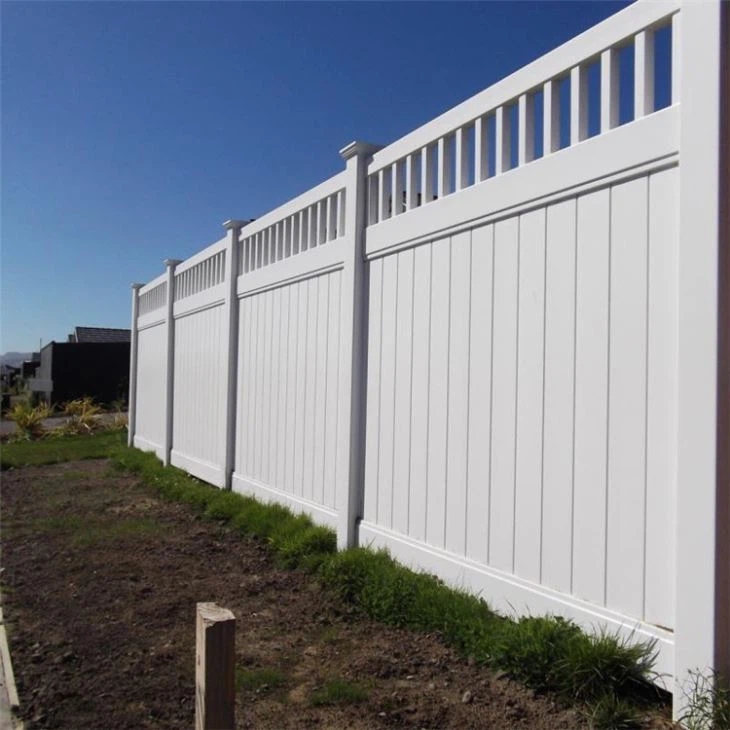
A fence that yellows early and snaps in the cold is usually telling you what it was made from.
IV. Where the Line Between Recycling and Risk Actually Sits
Before this turns into a sermon against recycling, the honest version needs to be said: not all recycled vinyl is a problem. The line that matters is not between new and recycled. It is between controlled and uncontrolled.
| Material | Where it comes from | How much it has degraded | Risk |
|---|---|---|---|
| Virgin resin | Fresh polymerisation | None | Lowest |
| In-house regrind | The factory's own trimmings | Small | Low |
| Post-consumer recycled | Old windows, pipes, scrap | Significant | High |
A well-run factory reclaims its own extrusion trimmings - the clean, known, single-source scrap cut off during production - and feeds a controlled amount back into the mix. This "regrind" has a known history, minimal degradation, and a predictable recipe. It is standard practice and, done properly, it changes the final fence very little.
The trouble starts with the other kind: post-consumer vinyl collected from demolished buildings and scrapped products, of unknown age, unknown additives, and unknown chemistry, ground together into a grey pellet that no longer behaves like any single material. That is not recycling; that is gambling with the structural future of a fence and calling it cost savings.
So the useful question is never "does it contain recycled material?" It is "what kind, and from where?" The first question is a marketing dodge. The second is where the truth - and the real reason two identical products cost different amounts - lives.
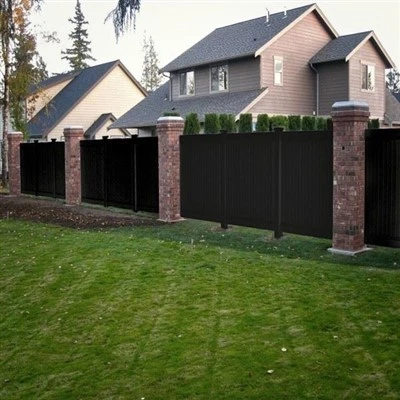
In-house regrind keeps its history under control. Post-consumer scrap does not.
V. Read the Price as a Warning, Not a Bargain
If recycled vinyl hides in plain sight, how does a buyer actually catch it before the fence is up and the problems begin? A few honest checks get you most of the way there.
Smell it. Virgin PVC is nearly odourless once extruded. Degraded, recycled vinyl often carries a faint sour or chemical smell that fresh resin does not. Your nose is a crude but useful instrument.
Look past the brighteners. A suspiciously cheap "white" fence often has a grey or yellow undertone hiding under the whitening pigments. Hold it next to a known-good white and the difference shows.
Bend it. A rail made from degraded material will crack or kink where a virgin rail flexes and returns. A simple cold-weather bend test tells you more about the molecular history than any label.
Ask for the material declaration. A supplier who sells virgin resin will say so, in writing, and will show a clear statement of what goes into the compound. One who cannot - or who answers "it's all PVC" without specifying the source - is telling you exactly what you need to know.
None of this is exotic. It is the same basic discipline as verifying a supplier before you pay, applied to the material instead of the company. And the payoff is simple: a fence is a twenty-year purchase. Buying one with a hidden head start on ageing turns that twenty-year promise into a five-year gamble, and the money you saved at the start becomes the money you spend again at the end.
The History You Cannot See Is the History That Costs You
A fence is one of the few products you buy for the next two decades, so the most expensive thing about it is never the initial price. It is the hidden history inside the vinyl - the life the plastic already lived before it became your fence.
Two white rails, identical to the eye, can be years apart in how soon they yellow, how cold a morning they can survive, and how straight they stay. The price tag does not reveal that history. It usually hides it. The bargain that looks too good is not a deal - it is a message about what is inside, and it is telling you the part you were never meant to see.
Ask what's inside before you pay for the outside
Request a virgin-material declaration along with your fence quotation.
Request a Quotation Browse PVC FencingFrequently Asked Questions About Recycled PVC Fencing
Answers to the questions that come up when a cheap fence is too cheap to be reassuring.
Q1: What is the difference between virgin and recycled PVC?
A: Virgin PVC is freshly polymerised with full-length molecular chains. Recycled PVC has already been used, melted, and reprocessed, so its chains are shorter and it has already started degrading.
Q2: Why does recycled vinyl make a fence brittle and yellow?
A: Every heat cycle degrades PVC - it snaps molecular chains and creates the structures that cause yellowing. Recycled material has already been through that at least once, so it turns brittle and yellow sooner.
Q3: Is all recycled PVC bad?
A: No. A factory's own clean trimmings, fed back in as controlled regrind, are standard practice and cause little harm. The risk is post-consumer scrap of unknown age and chemistry.
Q4: How can I tell if a fence contains recycled material?
A: Smell it for a sour chemical odour, look past the brighteners for a grey or yellow undertone, bend a rail to see if it flexes or cracks, and ask for a written material declaration.
Q5: Why is some PVC fencing so much cheaper?
A: Often because the compound uses recycled resin, filler, or both instead of virgin material. The savings come from a material that has already used up part of its lifespan.
YUPSENI Team
23 years in PVC building material manufacturing and supply chain. We help importers, distributors, and project buyers source SPC flooring, PVC foam boards, wall panels, and fencing that pass compliance the first time. More about YUPSENI
© 2026 YUPSENI. All rights reserved. The information in this article is for general informational purposes only and does not constitute professional advice. Product specifications may vary by region and production batch. Always request current datasheets before making procurement decisions.