

SPC Flooring Wear Layer: Mil Thickness vs AC Rating Explained | YUPSENI
Oct 19, 2026
SPC Wear Layer: Why a Thicker Mil Doesn't Always Mean a Longer Floor
The clear layer on top is the first thing buyers quote and the last thing most of them understand.
On This Page
Ask an SPC flooring buyer about the wear layer and one word comes back, fast and confident: mil. Twenty mil means commercial, twelve means residential, and the thicker it is, the longer the floor must last.
The logic is clean, marketable, and half wrong.
I. The Number Everyone Quotes, the Number Nobody Understands
A mil is a unit of length, nothing more. It is one thousandth of an inch, the thickness of the transparent PVC layer glued over the printed design on an SPC plank. That clear film is what takes the scratches, scuffs, and foot traffic instead of the pattern underneath.
So far, so simple. Thicker film, more material between the shoe and the pattern, longer floor. The industry has built an entire marketing language on that one-sentence promise.
A mil is a unit of length, not a promise.
The problem is that a mil measures how much clear plastic sits on top. It says nothing about how good that plastic is. And in a floor, how good the plastic is decides the floor's life far more than how much of it there is.
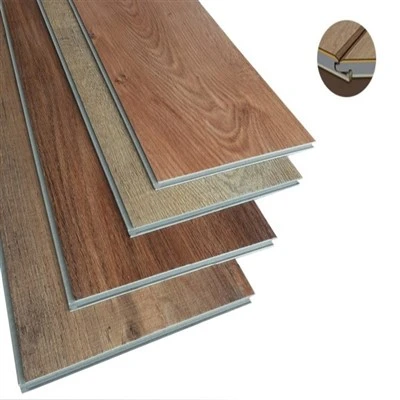
The clear film on top takes the traffic - but its thickness is only half the story.
II. A Thick Layer and a Tough Layer Are Two Different Things
The confusion collapses into a single distinction that almost no sales page makes.
| What it measures | Mil thickness | Wear rating |
|---|---|---|
| Question it answers | How much clear material is there | How well that material resists abrasion |
| Unit | Thousandths of an inch | A test class or abrasion count |
| It is a measure of | Quantity | Quality |
| On its own, does it predict floor life? | No | No - but it gets much closer |
Think of it as a coat of paint on a fence. The thickness of the coat matters, but so does what is in the can. Two coats of cheap, chalky paint will not outlast one thin coat of a proper weatherproof enamel. The millimetre of coverage is not the same thing as the quality of the film.
An SPC wear layer is the same. Two planks can both carry a twelve-mil clear layer, and one of them can wear through to the printed pattern in a fraction of the time the other takes, because the films themselves are not the same. One is made from clean, virgin PVC resin with a properly cured protective coating. The other is stretched with recycled material and filler, thick enough to measure but brittle and soft enough to scuff under the first heavy chair leg.
Thickness tells you how much of the layer there is. The wear rating tells you how hard that layer actually fights back. You need both, and the second one is the one nobody asks for.
Mil is quantity. The wear rating is quality. A floor's life is decided by the second, measured through the first.
III. What "Mil" Is Quietly Hiding
Once you accept that mil is only quantity, the next question is why the industry leans on it so hard. The answer is uncomfortable: it is the easiest number to inflate, and the hardest one for a buyer to verify.
Part of the fog is terminology. The "AC" wear classes that buyers quote with confidence were built for laminate flooring, a different product with a different test. SPC is not laminate. When a vinyl plank advertises an AC rating without saying which test was run and on which standard, the label is doing more reassurance than measurement. A number borrowed from the wrong standard is not a spec; it is a costume.
The other half of the fog is simpler: what gets counted in the "mil" figure. A twenty-mil wear layer sounds generous until you learn the maker is including the print film or the base coat in that total. The actual transparent layer doing the protecting can be half the advertised number, and the buyer has no way to know from the box.
This is where the wear layer overlaps with the rest of the plank. A floor's total thickness is not the same as its wear layer thickness, and a wear layer thickness is not the same as its wear resistance. Three different numbers, three different meanings, one confused customer.

The printed pattern is only as safe as the clear layer over it - and only the right test proves how safe.
IV. The Cheapest Way to Make a Layer Look Thick
If mil is the number everyone quotes and the easiest to inflate, then the cheapest floor on the market is not the one with the thinnest layer - it is the one with the thickest lie.
There are three standard ways to push the mil number up without pushing the cost up with it. The first is recycled resin. Clean PVC is expensive; recovered PVC from old flooring and industrial scrap is not. Recycled resin in a wear layer makes the film measurably thick while leaving it weaker, more prone to scuffing, and quicker to yellow. It is thickness without toughness.
The second is filler. Cheap mineral powder stretched through the PVC bulks out the film just like it bulks out the core. The layer gets thicker on the caliper and softer in the real world, because filler adds mass but not wear resistance.
The third is the accounting trick: fold the print film, the base coat, and the top coat into one generous "total wear layer" figure, so the number on the box describes three layers doing three different jobs, only one of which actually protects the pattern.
All three produce a plank that measures thick and wears thin. The irony is that the honest way to advertise - a real twelve-mil layer of clean resin - looks, on paper, like the worse product. That is exactly the confusion the inflated numbers are counting on.
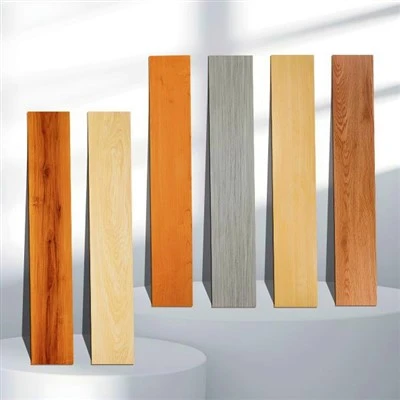
A plank can measure thick on a caliper and still wear thin under a chair leg.
V. Ask for Two Numbers, Not One
All of this turns into a short list of questions that separate a wear layer from a story about one.
First, what exactly is in the mil figure? Is it the clear wear film alone, or does it bundle in the print film and base coat? Get the breakdown, not the headline.
Second, what is the abrasion rating, and which test produced it? A wear class with no standard behind it is decoration. Ask for the test method and the result, the way you would ask for a certificate rather than a compliment.
Third, is the resin virgin or recovered? The single biggest quality gap hides in that one word, and a supplier who cannot answer it plainly is telling you something about what is in the film.
These three belong in any serious sourcing checklist, and they cost nothing to ask. The mil number is where every conversation starts. It is a terrible place for the conversation to end.

The floor that lasts is the one whose wear layer was specified, not just advertised.
Thickness Was Never the Whole Story
The wear layer is the floor's frontline, and buyers are right to care about it. They are just caring about the wrong half of it. A mil tells you how much armour is on the plank. The rating and the resin tell you whether that armour is steel or tin.
Thicker is not meaningless - all else equal, more good material lasts longer. But all else is rarely equal, and the floor that wears through first is usually the one that was sold on a single, flattering number. Ask for the second number. It is the one that actually decides whether the pattern underneath ever sees daylight.
Spec the wear layer, not just the mil
Ask for the film breakdown, the abrasion rating, and the resin before you order.
Request a Quotation Browse SPC FlooringFrequently Asked Questions About SPC Wear Layers
Answers to the questions that come up once buyers stop trusting the mil number alone.
Q1: What does mil mean on an SPC wear layer?
A: A mil is one thousandth of an inch. It measures the thickness of the clear PVC layer that protects the printed pattern on top of an SPC plank.
Q2: Is a thicker wear layer always better?
A: Not by itself. Thickness is quantity; the resin quality and abrasion rating are what decide durability. A thin layer of good resin can outlast a thick layer of recycled resin and filler.
Q3: Does the AC rating apply to SPC flooring?
A: AC wear classes were built for laminate flooring, not vinyl. If an SPC plank quotes an AC rating, ask which standard and test produced it - a borrowed number without a test behind it is just marketing.
Q4: How can a cheap floor claim a 20 mil wear layer?
A: By using recycled resin, stretching the film with filler, or bundling the print film and base coat into the total. The plank measures thick but wears thin.
Q5: What should I ask a supplier about the wear layer?
A: Ask what is included in the mil figure, what the abrasion rating is and which test produced it, and whether the resin is virgin or recovered. Three questions, one honest answer each.
YUPSENI Team
23 years in PVC building material manufacturing and supply chain. We help importers, distributors, and project buyers source SPC flooring, PVC foam boards, wall panels, and fencing that pass compliance the first time. More about YUPSENI
© 2026 YUPSENI. All rights reserved. The information in this article is for general informational purposes only and does not constitute professional advice. Product specifications may vary by region and production batch. Always request current datasheets before making procurement decisions.


