PVC Co-Extrusion: Why the Cap Layer Decides Profile Life | YUPSENI
Nov 27, 2026
The Layer You Can't See Is the One That Ages: Co-Extrusion Explained
Two profiles can look identical on the day of delivery and differ by years of service life.
On This Page
Two profiles, same colour, same shape, same length. One costs thirty percent more. The buyer holds them side by side, runs a thumb along the surface, and cannot find the difference. Both are white, both are smooth, both have the same profile geometry. The difference is in a layer less than a millimetre thick, bonded to the surface during extrusion, and it will not show up for two or three years. One will still be white when the other has gone chalky and grey, and by then the order is long finished and the money long paid. The co-extruded profile is two materials pretending to be one, and the buyer who only sees one is buying a promise rather than a product.
The colour is on the outside. The question is how far in it goes.
I. Two Materials, One Profile
Co-extrusion is a manufacturing method in which two or more materials pass through a single die at the same time and bond while still molten. The result is a profile with a distinct surface layer, usually called the cap or skin, over a core of different composition. The two layers are not painted or laminated onto each other. They are fused at the interface, which is why the profile looks like one object and behaves like two.
The reason to do this is economic and technical at the same time. The cap layer carries the expensive function: UV stability, colour, surface hardness, and dirt resistance. The core carries the cheap function: bulk, stiffness, and shape. A manufacturer can therefore put the performance where it is needed and the volume where it is affordable, which is why the profile can be priced competitively and still perform outdoors.
The surface is a material. The core is another.
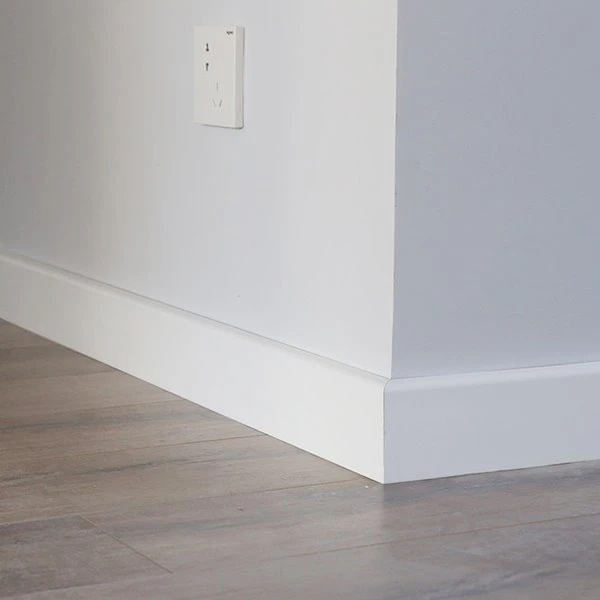
One die, two materials, one shape. The layers are fused, not painted.
II. What the Cap Layer Actually Does
The cap layer is the part of the profile that meets the weather, and its job is to absorb the damage that would otherwise reach the core. Ultraviolet light is the main threat. It breaks polymer chains at the surface and produces the chalky, faded appearance that marks an aged plastic. The cap layer contains UV stabilisers and pigments that intercept this energy, and as long as the layer remains intact, the core is protected. Once the layer is breached, the core begins to degrade and the process accelerates.
| Layer | Function | Typical thickness | Failure mode |
|---|---|---|---|
| Cap layer | Weather, colour, scratch | 0.3-0.8mm | Fade, chalk, peel |
| Core | Strength, shape retention | Remainder | Bow, crack, shrink |
Colour is carried in the same layer, which is why a co-extruded profile can hold its appearance for years while a through-coloured profile of the same base material fades. The pigment is concentrated where the light hits, rather than dispersed through a thickness that offers no protection at the surface. This is the technical reason a thin cap layer can outperform a thicker monolithic profile, and it is also the reason a thin cap layer is a risk: the protection is real, but it is shallow.
Surface hardness follows the same logic. A cap layer formulated for scratch resistance protects the softer core beneath it, and the profile keeps its appearance through handling, installation, and cleaning. A cap layer formulated only for colour does not, and the first scuff exposes a core that may be a different shade. The cap layer formulation is the specification that matters, and it is almost never printed on the quote.
The layer was thin. The protection was thin too.

UV damage starts at the surface. The cap layer is the surface.
III. When the Bond Fails
The interface between the cap and the core is the weakest point of a co-extruded profile, and it is invisible from the outside. If the two materials are not compatible, or if the temperature and speed of the extrusion are not controlled, the bond is incomplete and the layers can separate. The failure is called delamination, and it usually begins at an edge or a cut end, where the interface is exposed and moisture can enter.
Delamination is difficult to predict from appearance because a poorly bonded profile looks the same as a well bonded one on delivery. The difference emerges over time, as thermal cycling opens the interface and the cap layer lifts. A profile that has delaminated cannot be repaired, and the exposed core is unprotected from that point onward. This is why bond strength is tested rather than assumed, and why a supplier who cannot describe the bonding process has not understood the product.
Cut ends are the practical exposure. Every profile is cut on site, and every cut exposes the interface. A cap layer that is well bonded resists moisture at that edge. A cap layer that is marginally bonded begins to lift there, and the lifting spreads along the profile as water works into the gap. Sealing cut ends is a small job that prevents a large one, and it is routinely omitted.
The bond was never tested. It was assumed.
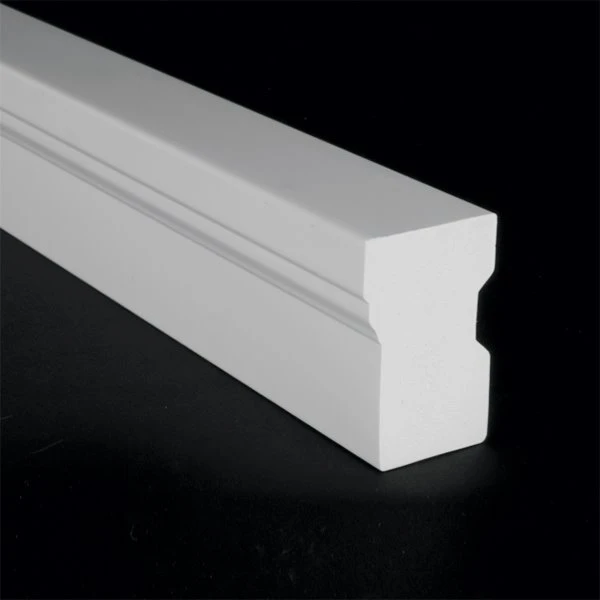
Every saw cut exposes the interface. Every exposed interface is a test.
IV. Why the Core Matters After All
The emphasis on the cap layer can create the impression that the core is irrelevant, and that impression is wrong. The core carries the load, holds the shape, and provides the impact resistance that keeps the profile intact during handling and service. A profile with an excellent cap layer over a weak core will keep its colour while bowing, shrinking, or cracking, and the failure will be structural rather than cosmetic.
Recycled content is the usual reason a core is weak. Recycled PVC is cheaper and perfectly serviceable in the right proportion, but it introduces variability in molecular weight, colour, and contamination that a new-material core does not have. A core with a high recycled fraction may be less stiff, more prone to creep under sustained load, and less consistent in colour where it is exposed. None of this is visible under a good cap layer, which is exactly why it is worth asking about.
The core also determines how the profile behaves when it is cut, drilled, or fixed. A dense, consistent core cuts cleanly and holds a screw. A variable core chips, tears, or compresses unevenly, and the fixing loosens. The installer notices this immediately, but the buyer who receives the finished wall does not, and the difference in performance appears years later as a loose trim or a cracked profile.
The surface kept its colour. The core kept the shape. Neither could do both.

The cap keeps the colour. The core keeps the shape.
V. Measure the Layer, Not the Colour
The buyer who has followed the argument knows that the appearance of a co-extruded profile is the least informative thing about it. The colour can be matched in a sample and lost in three years. The layer that holds the colour is the specification, and it can be measured before the order is placed.
Ask for the cap layer thickness. In millimetres, for the specific profile. A range is acceptable; silence is not. Thickness is the single most useful number in this specification.
Ask about the bond test. How the interface is checked, and what result is accepted. A supplier who can describe the test has a process; one who cannot has a hope.
Look at a cut end. A cross-section shows the layer, the interface, and the core in one view. It is the cheapest inspection available and the most revealing.
The colour was the question. The layer was the answer.
Ask for cap layer thickness, the bond test method, and a cross-section of a cut end. Those three answers describe a co-extruded profile better than any colour sample.
The Profile Ages From the Outside In
A co-extruded profile is a good engineering answer to a real problem: how to put expensive performance exactly where it is needed and affordable material everywhere else. That answer only works when the layer is thick enough, the bond is strong enough, and the core is consistent enough. None of those three conditions is visible in a colour sample, which is why the specification has to go one level below the surface.
The comparison with timber trim is a useful closing frame, because timber fails from the outside in as well. Paint, moisture, and UV attack the surface first, and the failure spreads inward until the section is compromised. The mechanism is different but the direction is the same, and the lesson transfers: the surface is where the weather starts, and the material behind it decides how long the surface can hold.
The profile looked the same. The layer did not.
Profiles specified below the surface
Cap layer thickness, bond strength, and core consistency stated in the quotation.
Request a Quotation Browse MouldingsFrequently Asked Questions About Co-Extruded Profiles
Answers to the questions that come up when two profiles look identical and last differently.
Q1: What is a co-extruded PVC profile?
A: A profile made by extruding two materials through one die at the same time. A thin cap layer provides weather resistance and colour over a core that provides strength and shape.
Q2: How thick should the cap layer be?
A: It varies by profile, but a common range is a few tenths of a millimetre to just under one. Ask for the figure in millimetres for the exact product rather than accepting a general statement.
Q3: Why does a co-extruded profile delaminate?
A: Because the bond between the layers is incomplete. Incompatible materials or poorly controlled extrusion temperature can leave a weak interface, which opens at cut ends and spreads under thermal cycling.
Q4: Does the core material matter if the surface is good?
A: Yes. The core carries the load and holds the shape. A weak or inconsistent core can bow, shrink, or crack even while the cap layer keeps its colour.
Q5: How can I check the cap layer before buying?
A: Ask for the layer thickness, ask how the bond is tested, and look at a cut end. A cross-section shows the cap, the interface, and the core in a single view.
YUPSENI Team
23 years in PVC building material manufacturing and supply chain. We help importers, distributors, and project buyers source SPC flooring, PVC foam boards, wall panels, and fencing that pass compliance the first time. More about YUPSENI
© 2026 YUPSENI. All rights reserved. The information in this article is for general informational purposes only and does not constitute professional advice. Product specifications may vary by region and production batch. Always request current datasheets before making procurement decisions.