How does PVC foam board compare to other types
Jun 17, 2024
How does PVC foam board compare to other types of foam boards like PS (Polystyrene) or PE (Polyethylene)?
Here's a comparison between PVC foam board and other foam board materials like PS and PE:
Material Composition:
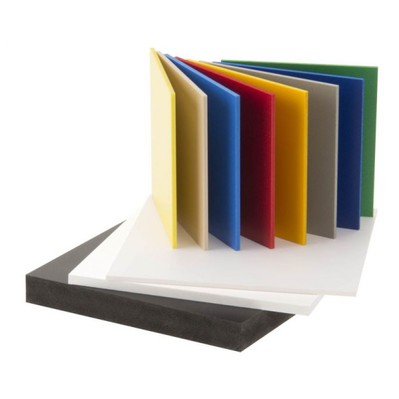
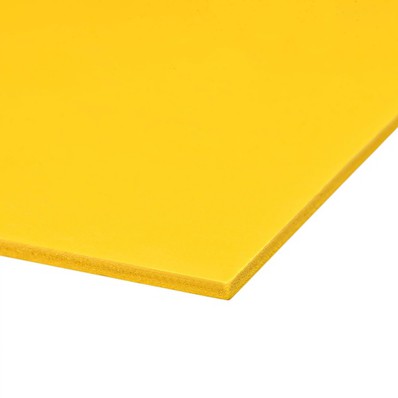
PVC Foam Board: Made from polyvinyl chloride (PVC) with added foaming agents to create a lightweight yet durable material.
PS (Polystyrene) Foam Board: Made from expanded polystyrene, known for its lightweight and rigid properties. It is often used in insulation and packaging.
PE (Polyethylene) Foam Board: Made from polyethylene foam, which is soft, flexible, and lightweight. It is commonly used in packaging and cushioning.
Density and Rigidity:
PVC foam board typically has a higher density and rigidity compared to PE foam board, making it more suitable for structural applications and outdoor use.
PS foam board is rigid but generally less dense than PVC foam board, often used in applications where lightweight insulation or rigid support is needed.
Water Resistance:
PVC foam board is inherently water-resistant and does not absorb moisture, making it suitable for outdoor and wet area applications.
PE foam board is also water-resistant but tends to be more flexible and less rigid than PVC foam board.
PS foam board can absorb water if not properly sealed, which may limit its outdoor use in wet conditions.
Processing and Workability:
PVC foam board is easier to cut, shape, and fabricate compared to PS foam board, which can be brittle and prone to cracking during cutting.
PE foam board is softer and easier to compress, making it suitable for cushioning and protective packaging but less ideal for structural applications requiring rigidity.
Applications:
PVC foam board is widely used in signage, displays, construction, and marine applications due to its durability and weather resistance.
PS foam board is commonly used in insulation, model making, and lightweight structural applications.
PE foam board is primarily used in packaging, cushioning, and protective applications due to its softness and shock absorption properties.