

Are you familiar with real estate signage posts?
May 15, 2026
Products Description
In the process after the completion of real estate construction, signage is an indispensable element. It not only provides directional guidance for people but also conveys important information and even enhances the overall image of the property. Today, let's talk about the design, materials, craftsmanship, and installation methods of signage in residential communities.
Functions of Wayfinding and Directional Signs
Directional Guidance: Signs that indicate directions to various areas within the community, such as building directional signs, property service center signs, parking lot directional signs, building door numbers, and community entrances and exits, all rely on these signs. Whether residents or visitors, they can quickly find their way home.
Information Conveyance: Community name, building and unit numbers, safety warnings, emergency contact numbers... all this important information is conveyed through signage, making it easy for everyone to understand the basic situation of the community.
Image Enhancement: A well-designed sign can not only improve the overall image and quality of the community but also create a comfortable and convenient living environment for residents.

Material Selection
Galvanized Sheet: A metal material that is easy to fabricate and cost-effective, suitable for communities with low budgets and low material requirements.
Stainless Steel: Durable, highly corrosion-resistant, especially suitable for outdoor use. The surface can be brushed or polished, offering great texture.
Aluminum Alloy: Lightweight, easy to install and transport. Good corrosion resistance, and can be spray-painted in various colors, offering high flexibility.
Acrylic: High transparency, bright colors, suitable for various shapes. Good weather resistance and impact resistance.
Aluminum Plate: Lightweight, convenient, often single-sided printed content, low cost.
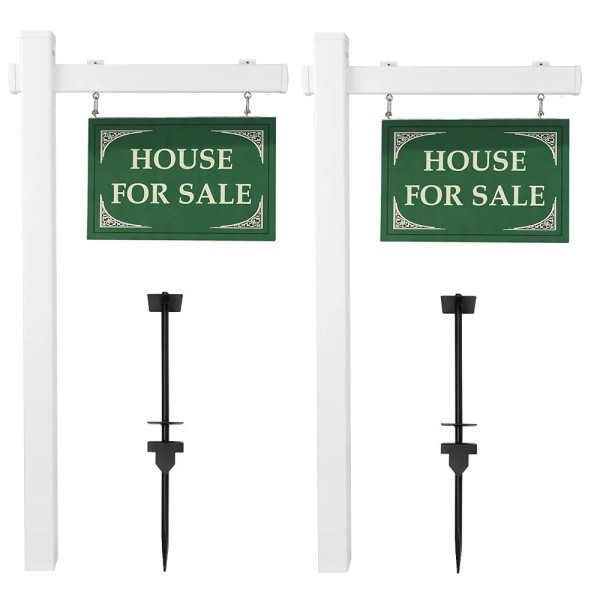
Fabrication Process
Cutting: Cutting the raw materials into the required shapes and sizes according to design specifications. Laser cutting or mechanical cutting can be used.
Welding: Metal signage requires welding to ensure structural integrity. The welding process demands high quality, with smooth and firm welds.
Spray Painting: Spray painting metal signage makes it more aesthetically pleasing and corrosion-resistant. Different colors and coatings can be chosen to meet various design needs.
Screen Printing: Text and patterns are printed onto the signage using screen printing, resulting in bright colors and strong adhesion. Suitable for various materials.
Engraving: Materials such as wood and acrylic can be engraved to create intricate patterns and text, adding an artistic touch.
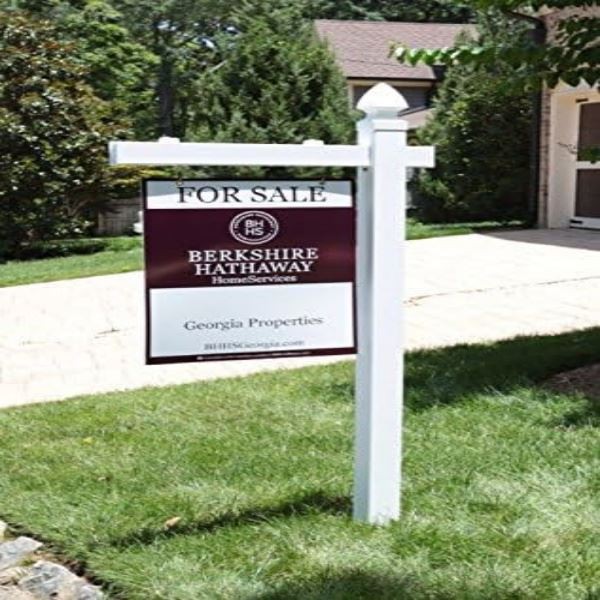
Installation Methods
Ground Mounting: Placed directly on the ground and fixed with anchor bolts or expansion bolts. Suitable for larger signs, offering good stability.
Wall-Mounted Installation: Installed on walls using expansion bolts or chemical anchors. Saves space, suitable for indoor use or areas with limited space.
Pole-Mounted Installation: Supported by poles, suitable for signs that need to be at a higher elevation. Poles can be made of stainless steel, aluminum alloy, etc., and the surface can be spray-painted.
Recessed Installation: Embedding the sign into a wall or floor, blending it with the surrounding environment. Elegant and aesthetically pleasing, but more difficult to construct.
Summarize
A reasonably designed, high-quality, finely crafted, and properly installed community signage system not only brings convenience to people's lives but also enhances the overall image and quality of the community. We hope this article has been helpful to you!


