SPC Flooring Underfloor Heating: Why Thick Boards Block Heat | YUPSENI
Nov 11, 2026
SPC Flooring Over Underfloor Heating: The Thicker the Board, the Colder the Floor
The heating was on and the floor was still cold. The board that blocks water also blocks heat.
On This Page
The heating was on, and the floor was still cold. The buyer had chosen the thickest planks on the advice that thicker is better, and now the room felt like a well-insulated box - warm air above, cold feet below. The underfloor heating was working. It just couldn't get through the floor.
SPC flooring is waterproof, and it is waterproof for the same reason it is an insulator. The same board that blocks water blocks heat - and the thicker it gets, the better it blocks both.
I. The Warm Room with the Cold Floor
The complaint arrives in the same words every winter: the heating is running, the room is warm, and the floor is still cold under bare feet. The homeowner crouches down, touches the boards, and feels the chill through the surface - and their first conclusion is that the heating system has failed. It hasn't. The system is doing exactly what it was told to do; it is pushing heat up from below, and the heat is being stopped at the very last layer.
This is the moment the whole design of underfloor heating turns against the flooring. Underfloor heating works by radiating heat up through the floor covering, which means the floor covering is not just a surface to walk on - it is the final barrier the heat must pass through. A floor that lets heat through easily gives you a warm room and a warm floor. A floor that resists heat gives you a warm room and a cold floor, because the warmth never reaches your feet.
The heating was working. It just couldn't get through the floor.
And to understand why one SPC floor blocks the heat while another lets it through, you have to look at the one property nobody reads on the spec sheet: how the board handles heat itself.
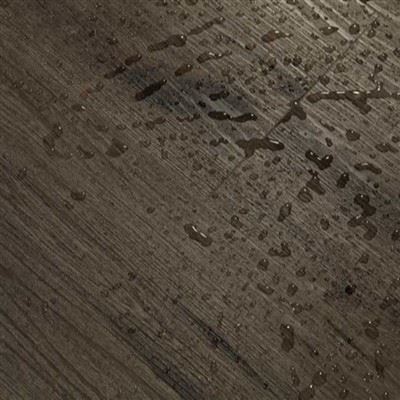
The room is warm and the floor is cold. The heat is being stopped at the last layer it has to cross.
II. The Same Board That Blocks Water Blocks Heat
The property that makes SPC flooring waterproof and the property that makes it a poor conductor of heat are, in the end, the same property. SPC is a dense composite - stone powder bound in PVC - and it is a poor conductor of heat by nature. It does not transfer warmth the way tile does; it resists it, the way a foam board or a wooden plank resists it. Water cannot soak into it, and for the very same reason, heat struggles to pass through it.
This resistance to heat flow is called thermal resistance, and it grows with thickness. Every extra millimetre of board is another millimetre of material the heat must struggle through, and so a thick plank resists the heat far more than a thin one. The buyer who chooses the thickest board - usually in the belief that a thicker floor is a better floor - is, on underfloor heating, choosing the board that will do the most to keep the warmth away from their feet.
There is no escape clause in the physics. The same dense, closed structure that keeps a spilled drink on the surface keeps the heat down in the screed. It is not that thick SPC is a bad product; it is that a board built to block water was never built to let heat through - and the thicker it is, the more true that becomes.
Waterproof and heatproof are the same word here. The board cannot keep one out and let the other in.
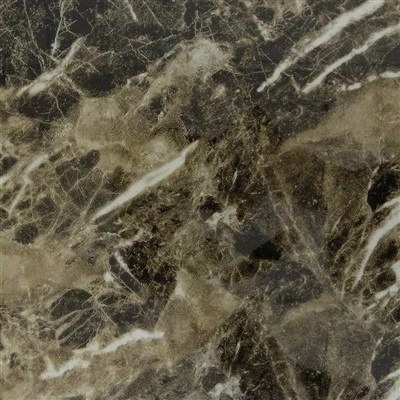
A thinner board lets more warmth through. The same density that blocks water blocks the heat below it.
III. Why Heat Makes a Floor Grow
Blocking heat is only half the problem. The other half is what heat does to the board itself, because PVC - and the stone composite built on it - expands noticeably when it warms. A floor sitting over underfloor heating is not just a floor; it is a warm floor, warmer than a floor in an unheated room, and a warm floor is a bigger floor.
Expansion needs somewhere to go. A correctly installed floor leaves a gap around its entire perimeter, and at doorways, precisely so the boards can grow and shrink without pressing against the walls. Take that gap away, or make it too small, and the expanding boards press against one another and against the wall until something gives. The result is the familiar failure of heated floors: boards peaking upward at the seams, lifting at the edges, or buckling in the middle of the room - not because the flooring was weak, but because it was given nowhere to grow.
The heating also has a temperature ceiling, and a real one. SPC is rated to a maximum surface temperature, and a floor run hotter than that begins to soften, deform, or separate at its layers. The board does not need to catch fire to fail; it only needs to be warmer than it was ever designed to be, sustained hour after hour, until the structure quietly gives way.
Heat does two things to an SPC floor: it tries to pass through it, and it makes it grow. A floor that ignores either one is a floor that fails in winter.
A heated SPC floor expands, and it has a maximum safe temperature. Ignore the perimeter gap or run it too hot, and the boards will peak, lift, or delaminate.
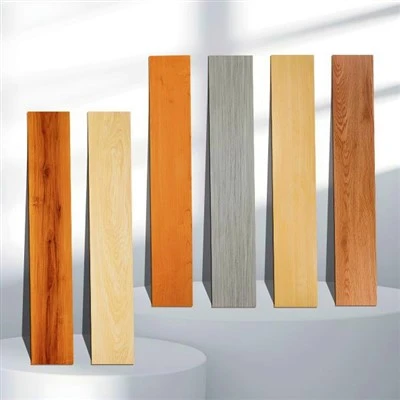
A warm board is a bigger board. With no perimeter gap to grow into, it peaks upward instead.
IV. The Order That Nobody Gets Right
There is one more mistake that separates a floor that lasts from a floor that lifts, and it is a matter of sequence. When an SPC floor goes over underfloor heating, the heating and the floor must meet each other in the right order - and the order most people follow is exactly backwards.
The instinct is to lay the floor first, in a cold room, and then switch the heating on. The boards click together easily in the cool, everything looks perfect, and the installer walks away. Then the heating comes on, the boards warm up, they expand - and because the floor was fitted cold, the expansion has nowhere to go but upward. The seams peak within days, and the customer is told the flooring must have been defective. It wasn't. It was fitted cold and then heated, which is the one sequence guaranteed to make it grow against itself.
The correct sequence runs the other way. The heating is brought up to working temperature before the boards are laid, and the floor is fitted while the room and the screed are already warm. The boards are then installed at roughly the temperature they will live at, so the expansion they will experience is already accounted for. When the heating is later switched off and on through the seasons, the floor moves a little in each direction, and the perimeter gap absorbs it - the way it was always meant to.
The order is not a detail. Fit the floor cold and then heat it, and you are fitting a board that is about to grow; the heating sequence is what decides whether that growth is absorbed or breaks the seams.

Bring the heat up first, then lay the floor at working temperature. The other order makes the boards grow against themselves.
V. Match the Floor to the Heat
Underfloor heating is not a reason to avoid SPC flooring, and it is not a reason to grab the thickest plank on the shelf. It is a reason to think, because the heating changes what the right floor looks like. A board that is excellent in an unheated room may be the wrong board over a heated screed, and the difference comes down to a few choices made before the first plank is clicked down.
Choose a board thin enough to let the heat through. The thicker the plank, the higher its thermal resistance, and the slower the warmth reaches your feet. Over underfloor heating, thinner is often the better choice.
Leave a full perimeter gap, and respect the temperature limit. A heated floor moves, and the gap is what lets it. Keep the surface temperature within the board's rating, and the floor stays flat instead of peaking.
Bring the heat up before you lay, and check the underlay. A thick, insulating underlay will block the very heat you are paying for, so the underlay and the heating must be chosen together, not separately.
The warm room with the cold floor is not a mystery and not a defect. It is a floor that was never matched to the heat beneath it - too thick, too tight, or laid in the wrong order. Match those three, and the same board that keeps the water out will let the warmth in.

A floor matched to the heat - thin enough to warm, gapped to expand, and laid at working temperature.
The Board Was Never the Whole Answer
The buyer who chooses SPC flooring for an underfloor-heated room is making a good choice and an easy mistake at the same time. The choice is good because SPC handles the moisture and the wear of a lived-in room. The mistake is treating the floor as if the heating were not there - grabbing the thickest board, fitting it cold, squeezing it tight against the walls, and expecting the warmth to simply appear.
The warmth does not simply appear. It has to travel up through a board that was built to resist it, into a floor that is growing as it warms. A floor chosen for its thickness, laid in the wrong order, with no room to move, will feel cold underfoot and peak at the seams - not because the product failed, but because the product and the heat were never introduced to each other properly.
Introduce them properly, and the same floor is warm, flat, and quiet for years. The board was never the whole answer. It was one half of a system, and the heating was the other.
Flooring that works with your heating
SPC planks sized and specified for underfloor heating, with the thermal data to match.
Request a Quotation Browse SPC FlooringFrequently Asked Questions About SPC Flooring on Underfloor Heating
Answers to the questions that come up when a heated room has a cold floor, or a heated floor starts to peak.
Q1: Can I use SPC flooring over underfloor heating?
A: Yes, but it must be specified for it. The board's thickness, the perimeter gap, and the heating sequence all change when the floor is heated from below.
Q2: Does thicker SPC flooring block underfloor heating?
A: Yes. SPC resists heat flow, and that resistance grows with thickness. Over underfloor heating, a thinner board usually lets the warmth through better.
Q3: How much expansion gap does SPC need over underfloor heating?
A: A full perimeter gap, often larger than in an unheated room, because a heated floor expands more. The exact gap depends on the board and the room.
Q4: What temperature is safe for SPC flooring on underfloor heating?
A: Keep the surface temperature within the board's rating. Running it hotter than rated can soften, deform, or delaminate the planks over time.
Q5: Should I run the heating before installing SPC flooring?
A: Yes. Bring the heating to working temperature first, then lay the floor warm. Laying it cold and then heating it is the sequence that makes boards peak.
YUPSENI Team
23 years in PVC building material manufacturing and supply chain. We help importers, distributors, and project buyers source SPC flooring, PVC foam boards, wall panels, and fencing that pass compliance the first time. More about YUPSENI
© 2026 YUPSENI. All rights reserved. The information in this article is for general informational purposes only and does not constitute professional advice. Product specifications may vary by region and production batch. Always request current datasheets before making procurement decisions.