SPC Flooring Maintenance & Cleaning Guide: Daily Routines to Protect Your Floor
Jun 16, 2026
SPC Flooring Maintenance: Simple Daily and Weekly Routines to Keep It Looking New
On This Page
- The Daily and Weekly Routine: What to Do and How Often
- What Not to Do: The Cleaning Mistakes That Shorten a Floor's Life
- Furniture, Pets, and the Things That Scratch
- Spills, Stains, and Water: What SPC Can Handle and What It Can't
One of the reasons people choose SPC flooring is that it does not ask for much. There is no wax to apply, no polish to buff, no sealant to reapply every few years. Compared to hardwood, which needs refinishing, or tile, which needs grout scrubbing, SPC is about as low-maintenance as a floor gets. But "low-maintenance" is not the same as "no-maintenance." A few simple habits, done consistently, are the difference between a floor that still looks sharp after a decade and one that shows its age before its time.
This article covers the routines that matter, the cleaning products to reach for and the ones to avoid, and the small protective steps that prevent the kind of wear that accumulates silently over years of daily use. If you have just installed SPC flooring or are thinking about it, these are the habits worth building from day one.
I. The Daily and Weekly Routine: What to Do and How Often
The number one enemy of any hard-surface floor is grit. Tiny particles of sand, dirt, and dust act like sandpaper underfoot. Every step grinds them against the wear layer, creating the micro-scratches that, over months and years, add up to a dull, hazy surface. The single most effective thing you can do for your SPC floor is remove that grit before it gets walked on.
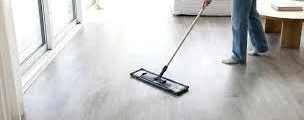
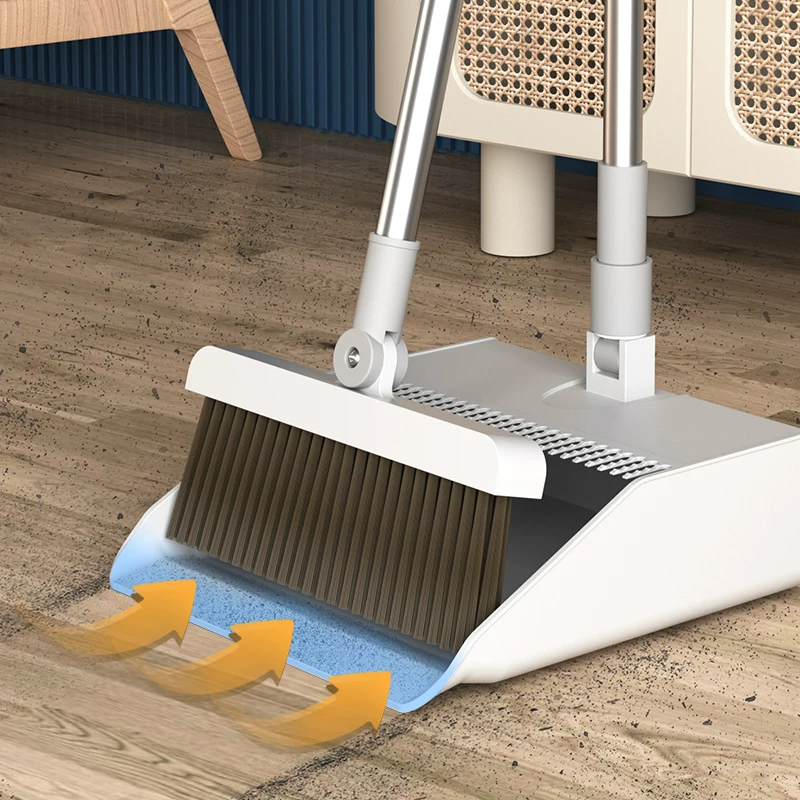
Daily or every other day, a quick sweep or vacuum keeps the surface clear. A soft-bristled broom works fine. A cordless stick vacuum with a soft brush attachment is even better because it pulls debris out of the micro-texture of the grain. Avoid vacuum cleaners with a rotating beater bar-the stiff bristles can scuff the wear layer over time, especially on darker finishes where scuffs show more readily. Once a week, follow up with a damp mop using a microfiber pad and plain warm water, or water with a small amount of vinyl-safe floor cleaner. The mop should be damp, not wet. You should not see puddles or streaks of standing water after you pass the mop over a section. Wring it out well, go over the floor, and let it air-dry in minutes. That routine alone-dry removal of grit followed by damp mopping-covers ninety percent of what SPC flooring needs.
II. What Not to Do: The Cleaning Mistakes That Shorten a Floor's Life
SPC flooring is tough, but the wear layer on top is a polymer film, not a sheet of diamond. It resists scratches and stains well-better than wood, better than laminate-but certain cleaning products attack it at the chemical level and cause damage that no amount of scrubbing can reverse.
The products to avoid are the ones that promise aggressive cleaning power. Bleach, ammonia, abrasive powders, scouring pads, steel wool, and anything labeled "heavy-duty degreaser" should stay far away from an SPC floor. These products can dull the surface gloss, break down the UV-cured top coat, and in some cases cause the wear layer to turn cloudy or chalky over time. Steam mops are another common mistake. The high heat and pressurized steam can force moisture into the seams between planks and weaken the click-lock joint over repeated exposure. SPC is waterproof in the sense that a spilled glass of water will not damage it. It is not waterproof in the sense of being designed to withstand a steam cleaner every week. The difference matters.
Stick to pH-neutral floor cleaners labeled for vinyl or luxury vinyl plank. If a cleaner's label does not specifically say it is safe for vinyl flooring, assume it is not. Warm water and a microfiber mop handle most weekly cleaning without any chemical at all. The floor does not need to be disinfected. It needs to be kept free of grit and wiped clean of spills. Everything beyond that is overkill that risks doing more harm than good.
Simple rule: If you would not use it on a car's clear coat, do not use it on an SPC floor. The wear layer is a clear protective film with a similar vulnerability to harsh chemicals and abrasives. Treat it gently, and it stays clear for years. Attack it with the wrong cleaner, and the cloudiness that results is permanent.
III. Furniture, Pets, and the Things That Scratch
SPC flooring can handle the weight of a refrigerator without denting. What it cannot handle is a single grain of sand trapped under a chair leg being dragged across the room. The difference is between static weight and abrasive movement. The floor resists the first. It is vulnerable to the second-just like every other hard-surface floor ever made.
Felt pads under every piece of furniture that moves are the cheapest insurance you can buy for an SPC floor. Chairs, tables, sofas with metal feet, bed frames-anything that might shift during daily use should have a soft barrier between its feet and the floor. Check the pads every few months. They wear down, fall off, or collect grit on their underside, which defeats the purpose. Replace them when they look thin. For heavy furniture that rarely moves-bookcases, entertainment units, large dressers-rubber pads or furniture cups distribute the weight and prevent the kind of permanent compression mark that a sharp metal leg can leave over years in one spot. For a deeper dive into how the wear layer holds up under different conditions, the SPC surface performance analysis covers scratch resistance, gloss retention, and how surface texture interacts with daily wear.
Pet claws deserve a mention because they come up in nearly every flooring conversation. SPC handles dog and cat claws better than hardwood, which gouges, and better than laminate, which can chip at the seams. The rigid core absorbs impact without deforming, and the wear layer has enough surface hardness to resist the micro-scratches that claws produce on softer materials. Over many years, an active large dog will eventually leave its mark on any floor. But on SPC, that mark takes far longer to appear, and when it does, it tends to be a subtle dulling rather than deep grooves. Keeping claws trimmed helps, as does placing a mat or rug in the high-traffic zone where the pet enters the house. Prevention is easier than repair, and on SPC, repair options are limited-for more on that, the SPC flooring repair guide explains what can and cannot be fixed on a damaged plank.
IV. Spills, Stains, and Water: What SPC Can Handle and What It Can't
SPC flooring is waterproof in a way that laminate and hardwood are not. You can install it in a kitchen, a bathroom, a laundry room, or a basement without worrying about humidity or the occasional splash. A spilled glass of water, a pet's water bowl that gets knocked over, the drips from a wet umbrella-none of these will damage the floor if they are wiped up in a reasonable amount of time. The rigid limestone-PVC core will not swell, warp, or delaminate from moisture exposure the way a wood-based core would. That is the entire point of SPC.
That said, "waterproof" does not mean "leave standing water indefinitely." Water that sits on the floor for hours or days can work its way into the seams between planks and reach the subfloor beneath. The planks themselves will not be damaged, but the subfloor underneath might be, and a damaged subfloor means the entire installation is compromised. The rule is simple: wipe up spills when they happen. Do not let liquids pool. Use mats in front of sinks, at entry doors, and under pet bowls. These are the same habits you would follow with any floor. SPC just makes the consequences of forgetting far less severe than they would be with wood or laminate.
For tougher stains-wine, coffee, cooking oil, pet accidents-the same approach works: blot up the excess immediately, then clean with a damp cloth and a small amount of vinyl-safe cleaner. Do not scrub aggressively. Do not use bleach. Most common household stains lift off the wear layer without leaving a trace if they are addressed within minutes rather than hours. The floor is forgiving. It rewards prompt attention and holds no grudges.
Quick Questions About SPC Flooring Care
Frequently Asked Questions About SPC Flooring Maintenance and Cleaning
Straight answers to the cleaning and care questions homeowners ask most often about SPC flooring.
Q1: Can I use a steam mop on SPC flooring?
It is not recommended. While SPC flooring is waterproof against spills and damp mopping, the high heat and forced steam from a steam mop can push moisture into the seams between planks and, over repeated use, weaken the click-lock locking system. Most manufacturers specifically exclude steam mop use from their warranty coverage. A damp microfiber mop with warm water achieves the same clean result without the risk.
Q2: What is the best cleaner for everyday SPC floor maintenance?
Warm water and a microfiber mop handle most weekly cleaning with no chemical needed. For heavier cleaning, use a pH-neutral floor cleaner specifically labeled as safe for vinyl, LVT, or LVP flooring. Avoid anything with bleach, ammonia, wax, polish, or abrasive particles. The simpler the cleaner, the safer it is for the wear layer. A few drops of mild dish soap in a bucket of warm water also works in a pinch-just follow up with a clear-water damp mop to remove any residue.
Q3: How do I remove stubborn stains from SPC flooring?
Blot the stain immediately with a clean cloth to lift as much as possible before it dries. For remaining residue, use a damp cloth with a small amount of vinyl-safe cleaner and gently wipe the area. For tough stains like dried paint, nail polish, or permanent marker, rubbing alcohol on a cotton ball applied sparingly to the stain only can work-but test it on an inconspicuous area first. Never use acetone, paint thinner, or abrasive scrubbing pads. If a stain has penetrated the wear layer, which is rare but possible with harsh chemicals left sitting for hours, the affected plank may need replacement rather than cleaning.
Q4: Does SPC flooring need to be sealed or waxed?
No. SPC flooring comes with a factory-applied wear layer and UV-cured top coat that does not require sealing, waxing, or polishing at any point during its service life. Applying wax or polish to an SPC floor actually creates problems: the coating will not bond properly to the wear layer, will leave a cloudy film, and will need to be stripped off later. The factory finish is designed to perform on its own. Just keep it clean and free of grit, and it will do its job. For a comprehensive look at how the product performs over its full lifespan, from installation through daily use to eventual replacement, see the SPC flooring lifespan guide.
Q5: How do I protect SPC flooring in high-traffic areas?
Use entry mats at exterior doors to catch grit before it reaches the floor. Place runners or area rugs in hallways and other narrow, high-traffic lanes. Keep a mat under desk chairs with rolling casters. Small habits like removing outdoor shoes at the door make a bigger difference over time than any cleaning product. The less grit that enters the room, the less micro-abrasion the wear layer endures-and the longer the floor looks the way it did on installation day.
SPC Flooring That Makes Maintenance Simple
Waterproof rigid core, durable wear layer, no wax or sealant required. Browse SPC flooring options and request full-size samples to see how the surface handles real life.
A Floor That Rewards Small Habits
SPC flooring does not need a maintenance manual. What it needs is a few small habits that take almost no time: sweep or vacuum regularly to remove grit, damp-mop weekly with warm water, wipe up spills when they happen, and keep felt pads under the furniture. That is the list. There is no wax to apply, no sealant to schedule, no refinishing to budget for. The floor is designed to be lived on, not fussed over. And when it is cared for in these simple ways, it returns the favor by looking nearly the same in year eight as it did in week one.
Written by YUPSENI Team
With over 23 years of rigid core flooring manufacturing experience, the YUPSENI product team documents wear-layer performance, cleaning compatibility, and long-term surface durability across the full SPC flooring range. Every product ships with care and maintenance guidance specific to its wear-layer specification and surface finish.
© 2026 YUPSENI. The information in this article is provided for general guidance on SPC flooring care and maintenance and does not constitute a material specification or performance warranty. Cleaning product compatibility, stain resistance, and wear-layer durability vary between manufacturers and product lines. Always consult the manufacturer's specific care instructions for the product installed. YUPSENI is a trademark of YUPSENI Building Materials.