

PVC Color Profiles for Windows: Laminated, Co-Extruded, Sprayed & Full-Body Options
Jun 17, 2026
PVC Color Profiles for Windows: The Four Ways White PVC Becomes Anything but White
3 min read · June 17, 2026 · By YUPSENI Team
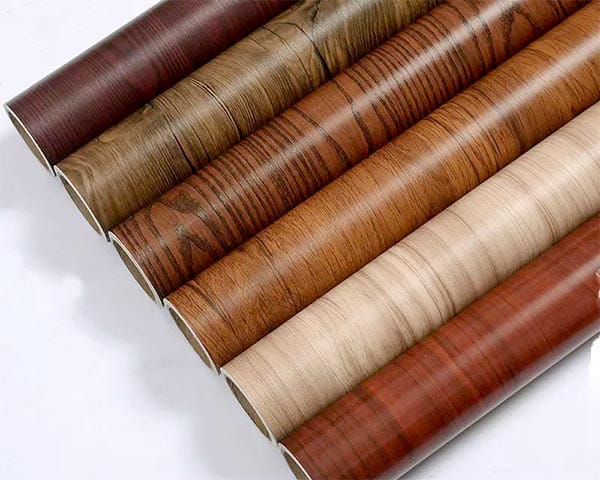
A laminated PVC window profile with woodgrain film. The color is a bonded surface layer, not a paint job-and that distinction determines how long it lasts.
On This Page
- I. The Four Ways PVC Gets Color
- II. Film Lamination: The Method That Outlasts the Others
- III. Choosing the Right Film for Your Climate
White PVC has dominated the window profile market for decades. It is affordable, durable, and universally in stock. But since the early 2000s, colored aluminum windows and doors have steadily gained ground, particularly in residential projects where white frames no longer matched the design brief. The PVC industry responded with color-not by inventing a new material, but by learning to apply durable color surfaces onto the same reliable white substrate. Today, there are four main ways to make a PVC profile anything but white. Each has trade-offs in cost, durability, and the range of finishes it can produce.
If you are sourcing colored PVC profiles for a project, knowing which method you are buying-and which film or coating it uses-makes the difference between a window that still looks sharp after a decade and one that fades unevenly within three years. The full PVC profile product range covers standard and custom color options across all four methods.
I. The Four Ways PVC Gets Color
The four coloring methods in use today are distinct enough that choosing one over another changes the budget, the production lead time, and the outdoor life expectancy of the finished window. Here they are, from most common to least:
Film lamination (laminated color profile). A color film-solid, woodgrain, or metallic-is bonded to the surface of a white PVC profile under heat and pressure on a laminating line. The film wraps around the visible faces of the profile while the back and interior remain the original white substrate. This is the most widely specified method for exterior applications because the film acts as a continuous protective skin with its own UV stabilizers and weather resistance built in.
Co-extrusion. A thin colored PVC layer is extruded simultaneously with the white base material, fusing the two into a single profile. The color goes all the way through the outer cap layer-roughly 0.5mm of pigmented PVC on the visible surfaces. Co-extruded color will not peel because there is no adhesive bond to fail. The color is part of the material itself. The trade-off is limited color range compared to film, and higher die costs for custom shades.
Spray painting. White profiles are sprayed with a solvent-based or water-based paint formulated for PVC adhesion. This method offers unlimited color matching and the lowest upfront tooling cost-any RAL color can be mixed and sprayed. The downside is longevity: painted PVC will eventually chalk, fade, or show wear at edges and moving parts faster than laminated or co-extruded finishes. Spray color is best suited for interior profiles, short-term installations, or projects where exact color matching matters more than multi-year outdoor durability.
Full-body color. The entire profile, from surface to core, is pigmented in the desired color. There is no white substrate underneath. A scratch exposes the same color. Full-body color requires dedicated extrusion runs and larger minimum order quantities, but it eliminates the risk of visible white edges at cut ends or routed drainage slots. It is the most expensive option and the least common, reserved for premium architectural projects and specific color-match demands.
Quick comparison: Film lamination wins on weather resistance and finish variety. Co-extrusion wins on peel resistance. Spray wins on color range and minimum order flexibility. Full-body wins on scratch concealment. Most exterior residential and commercial projects worldwide land on film lamination as the practical all-rounder.
II. Film Lamination: The Method That Outlasts the Others
Film lamination accounts for the majority of colored PVC profiles sold globally, and for good reason. The process takes a white profile-already extruded, cut, and optionally fabricated-and runs it through a laminating station where adhesive is applied and a color film is pressed onto the surface under heated rollers. The result is a permanent bond that turns the white profile into a woodgrain, a solid color, or a metallic finish without changing anything about the structural extrusion underneath. The white substrate stays white. The color lives in the film.
The equipment needed is not trivial. A laminating line requires precision temperature control, consistent film tension, and roller pressure calibrated to the profile geometry. Done right, the film follows every contour of the profile without bridging, bubbling, or lifting at the edges. Done poorly, the film separates at corners within the first seasonal cycle. This is a process where the supplier's production discipline matters as much as the raw materials themselves.
The adhesives used fall into two categories. Solvent-based adhesives are lower in equipment cost and easier to work with on smaller lines, but they carry VOC concerns and generally produce a bond with lower heat and water resistance. Hot-melt adhesives-polyurethane-reactive types are the standard for exterior-grade lamination-deliver higher bond strength, better temperature resistance, and no solvent emissions. The trade-off is that hot-melt systems require heated application equipment and more precise process control, which raises the capital investment for the production line.
III. Choosing the Right Film for Your Climate
Not all color films are built for the same weather. The film sitting on a PVC window frame in a mild European climate faces a gentler life than the same film on a south-facing facade in the Gulf, where surface temperatures can exceed 70°C in July and UV radiation does not let up for months. Matching the film to the installation environment is the single most important color-profile decision a specifier makes.
PVC film is the entry-level option. It is low in cost, easy to laminate, and widely available in a broad range of colors and woodgrains. It is also the least weather-resistant. PVC film without a protective top layer will fade and chalk outdoors within a few years. This film is best reserved for interior profiles-door frames, window boards, interior partition frames-where UV exposure is minimal.
PVC/PMMA double-layer film is the workhorse of the European window market. The base layer is pigmented PVC for color and coverage. The top layer is polymethyl methacrylate-acrylic-which is transparent and highly UV-stable. The PMMA cap protects the color layer beneath from sun damage while adding surface hardness and gloss retention. This film type is rated for exterior use in temperate and Mediterranean climates and represents the standard specification for most residential window projects exported from Europe and China.
PMMA/PVDF multilayer film is the top-tier option. PVDF-polyvinylidene fluoride-is an exceptionally stable fluoropolymer that barely degrades under UV, resists chemical attack, and maintains gloss and color in conditions that would destroy a standard acrylic-capped film within a few seasons. This film is specified for high-altitude, high-radiation, tropical, and coastal environments where the combination of intense sun, salt spray, and heavy rainfall punishes lesser materials. The cost premium is real, but so is the performance gap. For a project in equatorial or desert conditions, the upgrade from PMMA to PVDF is not a luxury-it is the difference between a warranty claim and a quiet installation that looks the same at year ten as it did on day one. For specifiers evaluating coastal projects, the coastal PVC durability analysis covers salt, UV, and wind factors that apply equally to window profiles as they do to fencing.
Common Questions About PVC Color Profiles
Frequently Asked Questions About PVC Color Profiles
Straight answers for buyers comparing color methods and film types for PVC window profiles.
Q1: Which coloring method lasts the longest outdoors?
Film lamination using a PMMA/PVDF multilayer film offers the longest weather resistance, followed by PMMA-capped film lamination, then co-extrusion. Spray-painted and plain PVC film finishes rank lowest for outdoor durability. The film matters more than the method-a PVDF-capped laminate will outlast a basic co-extruded color in harsh sun, even though co-extrusion has no adhesive bond to fail.
Q2: Can PVC window profiles be painted after installation?
Technically yes, but it is not recommended. Post-installation painting requires specific PVC primers and flexible topcoats, and the result will never match the durability of a factory-applied film or co-extruded color. The paint sits on the surface rather than bonding into it, making it vulnerable to peeling at edges and around hardware. If color is important, specify it at the manufacturing stage.
Q3: Are dark-colored PVC profiles at risk of heat distortion?
Dark colors absorb more solar energy than white, and in direct summer sun a dark PVC profile can reach surface temperatures 20 to 30°C higher than a white equivalent. Quality profiles account for this with slightly modified formulations that raise the heat deflection temperature. When specifying very dark colors-charcoal, black, dark brown-for exterior use in hot climates, confirm with the supplier that the compound is rated for the expected surface temperature range.
Q4: What is the minimum order quantity for custom colors?
It depends on the method. Spray painting can handle very small runs-single windows, even-because the base profile is standard white and only the paint is mixed to match. Co-extrusion and full-body color require minimum extrusion runs, typically measured in tons, because the color is built into the material during production. Film lamination sits in the middle: the white profile is standard, but custom film colors or patterns may require a minimum film order from the film supplier. For bulk sourcing guidance, the PVC profile product range lists standard stocked colors and custom color lead times.
Color PVC Profiles for Your Next Project
Laminated, co-extruded, and sprayed color options across the full PVC profile range. Film types matched to your climate. Standard colors in stock, custom matches on request.
Color That Stays Where You Put It
The shift from white-only PVC to colored profiles was not a cosmetic upgrade. It was a response to the reality that buildings look better when the window frames match the design, and architects stopped accepting white as the default. The technology that answers that demand-film lamination, co-extrusion, spray, and full-body coloring-each serves a different balance of cost, durability, and color flexibility. For most exterior applications, a well-laminated profile with the right film for the climate is the solution that keeps its color longest without inflating the budget. The rest is knowing your climate and choosing accordingly.
YUPSENI Team
With over 23 years of PVC extrusion experience, we supply window, door, and building profiles in white and color across laminated, co-extruded, and sprayed finishes. Standard and custom colors available. More about YUPSENI
© 2026 YUPSENI. All rights reserved. The information in this article is for general informational purposes only and does not constitute professional advice. Product specifications and color availability may vary by region and production batch. Always request current datasheets and physical color samples before making procurement decisions.


