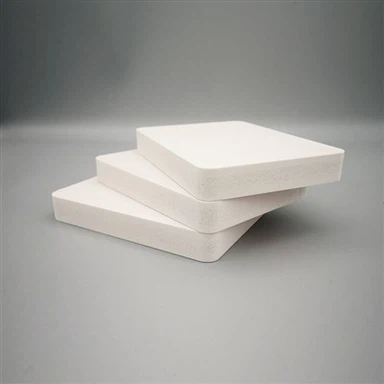
How does PVC foam board perform in terms of insulation properties?
Mar 02, 2026
1. Thermal Insulation
Moderate Insulation: PVC foam boards are not as effective as materials like fiberglass or polystyrene when it comes to thermal insulation, but they still provide some resistance to heat transfer.
Low Thermal Conductivity: The foam core structure helps reduce the rate at which heat moves through the material. This makes PVC foam boards useful in applications where moderate thermal insulation is needed, such as interior wall panels or exterior cladding.
Energy Efficiency: While they aren't the most highly insulating material, they can still contribute to energy efficiency by reducing heat loss in buildings.
2. Sound Insulation
Good Sound Dampening: PVC foam boards can absorb sound to some extent due to their porous foam structure. This makes them useful for applications where noise reduction is important, like in office spaces, exhibition booths, or interior partitions.
3. Moisture Resistance
Resistant to Moisture: PVC foam boards do not absorb water, which can enhance their overall insulating properties in environments with humidity. They won't swell or degrade like wood or other materials when exposed to moisture.
Summary
While PVC foam boards are not highly specialized for insulation, they still provide moderate thermal and sound insulation. They're often used in applications where a combination of insulation, lightweight, and durability is needed, such as in signage, interior panels, or temporary structures.