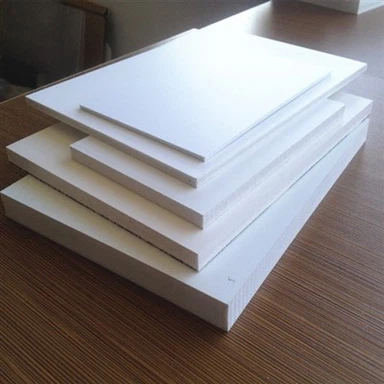
If there any environmental impacts of producing and disposing of PVC foam boards?
Mar 07, 2026
1. Production Impact:
Raw Material Extraction: PVC (Polyvinyl Chloride) is derived from fossil fuels, primarily petroleum and natural gas. The extraction and refining process of these materials contributes to greenhouse gas emissions.
Energy-Intensive Manufacturing: The production of PVC foam boards requires substantial energy, which, depending on the energy sources used, can contribute to carbon emissions. High-temperature processes are involved in creating the foamed structure of the boards.
Use of Additives: PVC foam boards often contain various chemical additives such as stabilizers, plasticizers, and flame retardants. These chemicals can pose environmental and health risks during both production and use.
Air and Water Pollution: The manufacturing process may release volatile organic compounds (VOCs) and other pollutants into the air and water. If not properly managed, these can impact local ecosystems and communities.
2. Disposal and End-of-Life:
Non-Biodegradability: PVC foam boards are not biodegradable, meaning they do not decompose naturally in landfills. They can persist in the environment for a long time, contributing to plastic waste.
Difficult Recycling: PVC foam boards are challenging to recycle due to the presence of additives and the composite nature of the material. Recycling rates for PVC products are generally low, and it can be difficult to repurpose them into new products.
Incineration Concerns: If PVC foam boards are incinerated, they can release harmful chemicals such as dioxins and hydrochloric acid, which are toxic to both human health and the environment.
Landfill Issues: Disposing of PVC foam boards in landfills results in long-term environmental contamination. If not properly handled, the chemical additives in the foam can leach into the ground.
3. Alternatives and Sustainability:
Recycling Initiatives: There are efforts to improve PVC recycling, but these are still in development. Some companies are working on more sustainable manufacturing processes and alternative materials that have lower environmental impacts.
Biodegradable Options: Researchers are also exploring biodegradable alternatives to PVC foam boards, such as those made from plant-based polymers or other renewable resources, which could offer better sustainability in the long run.