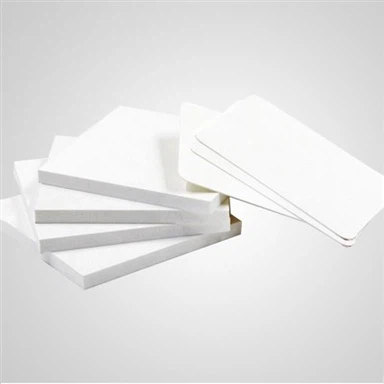
What is expanded PVC board ?
Aug 13, 2024
PVC foam board, also known as expanded PVC board or cellular PVC, is a versatile material used in a variety of applications due to its unique properties. Here's a detailed overview:
Composition and Structure
Material: PVC foam boards are made from polyvinyl chloride (PVC) and are expanded to create a lightweight, foam-like structure. This expansion is achieved by incorporating a blowing agent during the manufacturing process.
Layers: Typically, these boards have a smooth surface on both sides, with a foamed core in between. This construction contributes to their rigidity and durability.
Properties
Lightweight: PVC foam boards are significantly lighter than solid PVC or other comparable materials, which makes them easier to handle and install.
Durable: They offer good impact resistance and are not prone to warping, cracking, or peeling.
Weather-resistant: They are resistant to moisture, chemicals, and UV radiation, making them suitable for both indoor and outdoor use.
Easy to Work With: PVC foam boards can be cut, drilled, and shaped with standard tools. They can also be painted or laminated to achieve various finishes.
Applications
Signage: Due to their smooth surface and ease of printing, PVC foam boards are widely used for making signs and displays.
Interior Design: They are used in interior applications like wall panels, ceiling tiles, and partitions because of their aesthetic versatility and ease of maintenance.
Construction: In construction, they are used for various purposes, including insulation, cladding, and decorative elements.
Prototyping: Their ease of cutting and shaping makes them a popular choice for creating prototypes and models.
Advantages
Cost-effective: They are relatively inexpensive compared to other materials with similar properties.
Versatile: Suitable for a wide range of applications, from industrial to artistic.
Maintenance: Easy to clean and maintain, often requiring only a simple wipe-down to remove dirt.
Disadvantages
Environmental Impact: PVC foam boards are not biodegradable and can have environmental concerns related to their production and disposal.
Flammability: While generally safe, they are combustible and can emit toxic fumes if burned.
Care and Maintenance
Cleaning: Use mild soap and water for regular cleaning. Avoid harsh chemicals that might damage the surface.
Storage: Store in a dry place away from direct sunlight to prevent any warping or degradation over time.