What are the primary advantages of using PVC for wall molding compared to other materials?
Nov 06, 2023
PVC (Polyvinyl Chloride) has several advantages when used for wall molding compared to other materials like wood, MDF (Medium-Density Fiberboard), or plaster. Here are the primary advantages of using PVC for wall molding:
1.Durability: PVC is highly durable and resistant to wear and tear. It does not rot, warp, or decay like wood, making it a long-lasting choice for wall molding. This durability is especially beneficial in areas with moisture, such as bathrooms and kitchens.
2.Moisture Resistance: PVC is naturally resistant to moisture, which makes it an excellent choice for areas prone to high humidity or dampness. It won't absorb water or swell, preventing issues like warping or mold growth.
3.Low Maintenance: PVC wall molding is virtually maintenance-free. It doesn't require painting, staining, or sealing, as it is already finished with a smooth and easy-to-clean surface. Simple cleaning with soap and water is usually sufficient to keep it looking pristine.
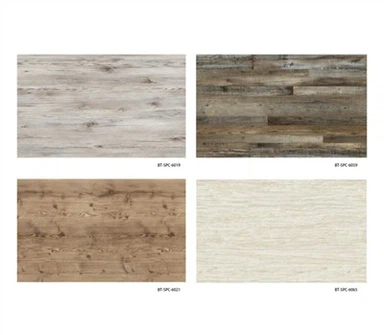
4.Versatility: PVC molding comes in a wide range of designs, styles, and sizes, making it easy to find the right option to match your decor. It can mimic the look of wood or other materials without their inherent drawbacks.
5.Easy Installation: PVC molding is relatively lightweight and easy to work with. It can be cut, shaped, and installed without the need for specialized tools or skills. This can lead to cost savings on installation labor.
6.Cost-Effective: PVC molding is often more budget-friendly than natural wood or other premium materials. While the initial cost may be slightly higher than some other alternatives, the long-term savings due to its durability and low maintenance can be significant.
7.Paintable: Although PVC molding comes pre-finished in white or other colors, it can be painted to match your specific color scheme if desired. It readily accepts paint, allowing for customization.
8.Environmental Considerations: PVC molding is often considered more environmentally friendly than some wood products because it does not contribute to deforestation. However, it's important to note that the production and disposal of PVC can have environmental implications, and recycling options should be explored.
9.Fire Resistance: PVC has inherent fire-resistant properties. It will not support combustion and is known to self-extinguish when the flame source is removed. This can be a safety advantage in certain applications.
10.Termite and Pest Resistance: Unlike wood, PVC is not susceptible to termite damage or other pest infestations, which can be a concern with wooden molding.
While PVC has many advantages, it's also important to consider potential disadvantages, such as its vulnerability to UV rays (which can cause discoloration or brittleness over time) and its environmental impact due to the production process. Careful selection and installation can help mitigate these issues. Overall, the choice of wall molding material should depend on your specific needs, budget, and aesthetic preferences.