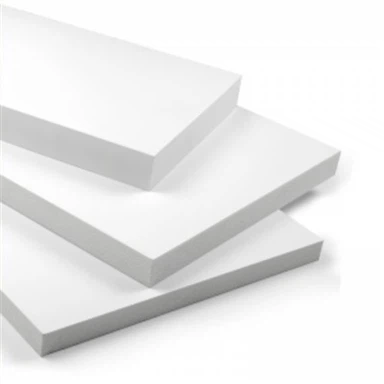
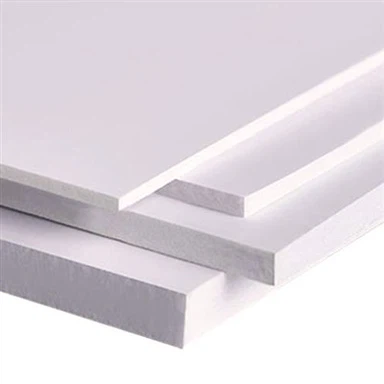
What are the key features of the Vinyl Antibacterial Board for Hospital?
May 26, 2024
Can you explain the installation process of the Vinyl Antibacterial Board?
Certainly! Here's an overview of the installation process, certifications, and cleaning/maintenance requirements for Vinyl Antibacterial Boards in hospital settings:
Installation Process:
Surface Preparation: Ensure that the surface where the vinyl boards will be installed is clean, dry, and free of any debris or contaminants.
Measurement and Cutting: Measure the dimensions of the area to be covered by the vinyl boards and cut them to size accordingly, using appropriate tools such as a utility knife or saw.
Adhesive Application: Apply a suitable adhesive to the back of each vinyl board, following the manufacturer's instructions. Make sure to spread the adhesive evenly to ensure proper adhesion.
Placement and Pressing: Carefully place each vinyl board onto the prepared surface, aligning them properly to achieve the desired layout. Press down firmly on each board to ensure good contact with the adhesive and eliminate any air bubbles.
Sealing and Finishing: Once all the boards are in place, seal the seams and edges with a compatible sealant to prevent moisture infiltration and enhance the overall durability of the installation.
What certifications or standards does the board meet in terms of antibacterial efficacy?
Certifications or Standards:
Vinyl Antibacterial Boards for hospital use may be certified or tested according to various standards to ensure their antibacterial efficacy. Common certifications and standards include:
ASTM E2180: Standard Test Method for Determining the Activity of Incorporated Antimicrobial Agent(s) in Polymeric or Hydrophobic Materials.
ISO 22196: Measurement of Antibacterial Activity on Plastics and Other Non-Porous Surfaces.
EPA Registration: Some antibacterial agents used in vinyl boards may be registered with the Environmental Protection Agency (EPA) for their efficacy against specific bacteria and other microorganisms.
It's essential to verify that the Vinyl Antibacterial Boards meet relevant certifications and standards to ensure their effectiveness in inhibiting bacterial growth in hospital environments.
Are there any specific cleaning or maintenance requirements for the Vinyl Antibacterial Board?
Cleaning and Maintenance Requirements:
While Vinyl Antibacterial Boards are designed to resist bacterial growth, proper cleaning and maintenance are still necessary to maintain their efficacy and appearance. Here are some general guidelines:
Regular Cleaning: Clean the vinyl boards regularly using a mild detergent or disinfectant solution and a non-abrasive mop or cloth. Avoid using harsh chemicals or abrasive cleaners that may damage the surface.
Avoid Standing Water: Promptly wipe up any spills or standing water to prevent moisture buildup, which can potentially lead to mold or mildew growth.
Avoid Scratches: Take care to avoid dragging heavy objects or sharp items across the surface of the vinyl boards, as this can cause scratches or damage the antibacterial coating.
Periodic Inspections: Periodically inspect the vinyl boards for any signs of damage, wear, or discoloration. Repair or replace any damaged boards as needed to maintain a hygienic and visually appealing environment.