What are the disadvantages of a PVC ceiling?
Oct 09, 2023
PVC (Polyvinyl Chloride) ceilings have several advantages, including moisture resistance, durability, and cost-effectiveness. However, they also come with some disadvantages that you should consider before choosing PVC for your ceiling:
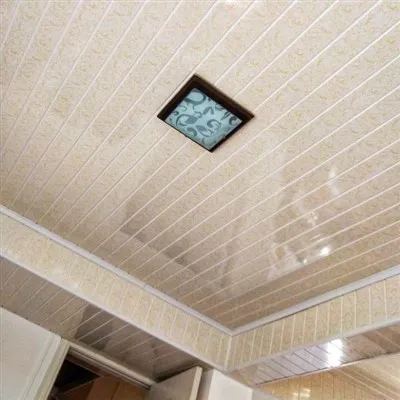
1.Aesthetic Limitations: PVC ceilings may not provide the same high-end or natural look as materials like gypsum, wood, or metal. They are often associated with a more synthetic or plastic appearance, which might not be suitable for certain design preferences or upscale settings.
2.Not Environmentally Friendly: PVC is a plastic material, and its production can have negative environmental impacts. It is not biodegradable, and its disposal can contribute to plastic waste. Some individuals and organizations prioritize eco-friendly building materials and may prefer alternatives that are more sustainable.
3.Vulnerable to Heat: PVC can soften or warp when exposed to high temperatures. It may not be suitable for areas with high heat or near heat sources like stoves or ovens. Additionally, PVC may release toxic fumes if it catches fire, which can be a safety concern.
4.Not Fire-Resistant: PVC is not inherently fire-resistant. While some PVC products may have fire-resistant coatings, it's essential to ensure that the specific PVC ceiling material you choose meets local building codes and fire safety requirements if applicable.
5.Limited Sound Insulation: PVC ceilings do not provide the same level of sound insulation as materials designed for acoustic performance, such as mineral fiber or acoustic panels. If sound control is a priority for your space, you might need additional soundproofing measures.
6.Installation Challenges: While PVC ceiling panels are lightweight, their installation may require careful attention to ensure a level and aesthetically pleasing finish. Improper installation can lead to visible seams or sagging.
7.Susceptible to Scratches and Dents: PVC surfaces can be susceptible to scratches and dents, particularly in high-traffic areas. While they are generally durable, heavy impacts or sharp objects can leave marks.
8.Limited Load-Bearing Capacity: PVC panels are lightweight, which is an advantage during installation. However, they may not have a significant load-bearing capacity, making them unsuitable for situations where heavy objects need to be suspended from the ceiling.
9.Limited Design Versatility: While PVC ceilings come in various colors and patterns, they may not offer the same design versatility as other materials like gypsum board, which can be molded into intricate shapes or incorporate decorative elements more easily.
In conclusion, PVC ceilings have their advantages, such as affordability and moisture resistance, but they also come with certain disadvantages related to aesthetics, environmental concerns, fire resistance, and design limitations. It's essential to weigh these pros and cons carefully and consider your specific project requirements and priorities when deciding whether a PVC ceiling is suitable for your space.