Is SPC Flooring Recyclable? Flooring Recycling Potential, Real Limits & End-of-Life Guide
Jun 16, 2026
Is SPC Flooring Recyclable? The Recycling Potential, Real Limits, and What Happens at End of Life

On This Page
- What Is SPC Flooring Made Of? A Layer-by-Layer Breakdown
- Why Recycling SPC Flooring Is Harder Than It Sounds
- Current Recycling Methods: Mechanical, Chemical, and the Downcycling Reality
- SPC vs Laminate vs Vinyl: Which Flooring Is Actually Recyclable?
- What Manufacturers Are Doing About SPC Recycling Right Now
- What Importers and Buyers Should Ask About Recyclability
SPC flooring has exploded in global market share over the past five years. Rigid core, waterproof, dimensionally stable-the performance story is well known. But a quieter question is gaining volume among importers, architects, and sustainability-minded specifiers: what happens to all this SPC flooring at the end of its service life? Is SPC flooring recyclable, or does it join the millions of tons of construction and demolition waste that go to landfill every year?
The short answer is that SPC flooring can be recycled, but the practical reality is more complicated than the word "recyclable" suggests. The material composition, the multi-layer construction, the available recycling infrastructure, and the economics of collection and processing all determine whether a given SPC plank gets a second life or a one-way trip to a disposal site. This article unpacks each of those variables so that buyers, importers, and specifiers can make informed decisions-not just about how SPC flooring performs during its life, but about what happens after.
What Is SPC Flooring Made Of? A Layer-by-Layer Breakdown
To understand why SPC flooring recycling is challenging, you need to know exactly what's in a single plank. SPC stands for Stone Plastic Composite, and the name is literal: the core is a dense mixture of limestone (calcium carbonate), PVC resin, and stabilizers. But the core is only one layer among several.
A standard SPC plank consists of four to five bonded layers. Starting from the bottom: an attached underlayment, typically made of EVA or IXPE foam, glued to the core for acoustic performance. Above that sits the SPC rigid core itself-roughly 60 to 75 percent limestone powder by weight, with the balance being PVC resin plus processing aids, impact modifiers, and heat stabilizers. On top of the core is the decorative film, a printed PVC or polyurethane layer carrying the wood, stone, or abstract pattern. Above that is the transparent wear layer, typically pure PVC with UV-cured ceramic bead coating on premium products. Finally, many planks include a UV-cured top coat for scratch and stain resistance.
Each of these layers has a different chemical composition, a different melting point, and a different recyclability profile. The limestone-PVC core is, in principle, mechanically recyclable by grinding and re-compounding. The decorative film and wear layer introduce colorants, printing inks, and coating chemistry that complicate the recyclate quality. The foam underlayment is often a different polymer family entirely (EVA is not PVC) and acts as a contaminant in a PVC recycling stream. This is the core tension in SPC recycling: the product is a composite by design, and composites are inherently harder to recycle than monomaterials.
Key Takeaway: SPC flooring is technically recyclable at the material level, but its multi-layer, multi-polymer construction means that recycling requires separation steps that do not happen automatically in standard construction waste streams. The recyclability claim is true in a laboratory. Whether it's true in your local waste management system is a different question entirely.
Why Recycling SPC Flooring Is Harder Than It Sounds
SPC flooring recycling faces three major barriers: material complexity, collection infrastructure, and economic viability. Each is solvable in theory. Together, they explain why most end-of-life SPC flooring currently goes to landfill or incineration rather than material recovery.
The material complexity problem is the most fundamental. PVC recycling depends on having a clean, homogeneous feedstock. Post-consumer SPC flooring arrives at a recycling facility as mixed-color, mixed-thickness planks that have been glued, clicked, or loosely laid over various subfloors. The planks carry installation adhesive residue, underlayment fragments, dirt, and wear-layer damage. Separating the PVC-rich layers from the limestone filler, the foam backing, and the surface coatings requires grinding, density separation, and sometimes solvent-based processes-steps that add cost and energy to the recycling equation. If the recyclate quality drops below the threshold needed for new flooring production, the material gets downcycled into lower-value products like traffic cones, speed bumps, or construction mats. That is still better than landfill, but it is not a closed loop.
The collection barrier is less technical but equally important. Most construction and demolition waste is mixed-stream: drywall, timber, concrete, carpet, and flooring are tossed into the same skip. Sorting SPC planks out of that mixture at a material recovery facility is labor-intensive and rarely done unless the facility has a dedicated rigid plastics line. Post-installation offcuts and post-consumer tear-outs rarely reach a PVC recycler because the logistics chain to get them there does not exist at scale in most countries. This is not a material problem. It is a reverse logistics problem, and it is the single largest practical obstacle to SPC flooring recycling.
Then there is the economic barrier. Virgin PVC resin and calcium carbonate are relatively inexpensive commodities. Recycled PVC compound, after accounting for collection, sorting, grinding, washing, and re-pelletizing, can cost more than virgin material, not less. This inversion of the usual recycling economics means that SPC recycling requires either regulatory pressure, manufacturer take-back programs funded by advance disposal fees, or a sustained rise in virgin resin prices to become financially self-sustaining. As of 2026, none of these conditions is fully in place globally, though European extended producer responsibility regulations are moving in that direction.
Current Recycling Methods: Mechanical, Chemical, and the Downcycling Reality
Three recycling pathways exist for PVC-based flooring products, each at a different stage of commercial maturity and each producing a different quality of recovered material.
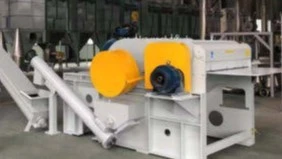
Mechanical recycling is the most established method. Post-industrial SPC waste-trim, off-spec planks, edge cuts from the production line-is ground into granules, passed through density-based separation equipment to control the filler-to-polymer ratio, and re-compounded into pellets that can be fed back into the extrusion or calendaring process at a certain percentage, typically 10 to 30 percent, blended with virgin material. Post-industrial recycling is routine in well-managed SPC factories, because the waste stream is clean, identified, and already on site. Post-consumer mechanical recycling is far less common because of the contamination issues described above.
Chemical recycling breaks PVC down into its molecular building blocks through processes like pyrolysis, hydrolysis, or solvolysis, recovering either the vinyl chloride monomer for re-polymerization or the hydrochloric acid and hydrocarbon fraction as industrial feedstocks. Chemical recycling can handle mixed, contaminated PVC waste that mechanical recycling cannot process. However, chemical recycling plants are capital-intensive and operate at scales measured in tens of thousands of tons per year. Very few facilities globally accept construction-sector PVC waste, and SPC flooring specifically is a minor stream within that already small category. Chemical recycling of rigid PVC flooring is technically proven at pilot scale but not commercially available to most SPC buyers or installers as of 2026.
Downcycling is, realistically, the most common fate of SPC flooring that avoids landfill. Ground SPC material, with its high limestone content, can be used as filler in concrete, as aggregate substitute in lightweight construction blocks, or as a component in composite plastic lumber. These applications keep the material out of landfill, but they do not recover the value of the PVC polymer; the PVC is essentially being used as a binder for the limestone in a lower-grade product. Whether this qualifies as recycling or disposal with an intermediate use is a matter of definition, and different green building certification schemes draw that line in different places. For a broader look at how PVC building materials fare in sustainability frameworks, see the full analysis of PVC building material recyclability, which covers the regulatory and certification landscape in more detail.
SPC vs Laminate vs Vinyl: Which Flooring Is Actually Recyclable?
Comparing the recycling potential of SPC flooring against other hard-surface flooring categories reveals an uncomfortable truth: no rigid flooring product currently has a well-functioning post-consumer recycling loop at scale. The differences between categories are differences in degree, not kind.
Laminate flooring is a wood-based product with a melamine wear layer, a printed decor sheet, and an HDF core bonded with thermosetting resins. The wood fiber component is biodegradable under the right conditions, but the melamine and resin components are not. Laminate is not accepted in most municipal recycling programs and is not practically recyclable into new laminate flooring. It can be downcycled into particleboard furnish if separated from the surface layers, but this is rarely done outside of dedicated factory take-back programs.
Luxury vinyl tile and traditional vinyl sheet flooring are pure or near-pure PVC products, which makes them more recyclable in principle than SPC, because the feedstock is more homogeneous and lacks the limestone loading that complicates SPC recycling. Several vinyl flooring manufacturers operate take-back and recycling programs in Europe and North America, particularly through industry consortiums like RecoVinyl and the VinylPlus initiative. These programs accept installation offcuts and post-consumer tear-outs, process them into recycled PVC compound, and supply that compound back into new flooring production. SPC flooring, with its mixed composition, sits in a less favorable position than homogeneous vinyl in this comparison, because the high filler loading in SPC means the recyclate has fundamentally different mechanical properties than virgin SPC compound.
Solid hardwood flooring is the one category with a genuinely simple end-of-life story: it can be sanded and refinished multiple times during its service life, extending that life to 50 years or more in many cases, and at end of life it is biodegradable and can be chipped for mulch or biomass energy. However, engineered hardwood, with its plywood core and adhesive-laminated wear layer, faces recycling challenges similar to laminate. The comparison highlights that SPC's recycling limitations are not unique to SPC; they are shared across most modern multi-layer flooring products. For a side-by-side assessment across all variables, not just end-of-life, the SPC vs laminate vs solid wood comparison covers durability, cost, and installation factors that round out the full specification picture.
Quick Comparison: Among common hard-surface flooring types, homogeneous PVC products (LVT, sheet vinyl) have the best-established recycling pathways. SPC sits in the middle, with post-industrial recycling well established but post-consumer recycling largely aspirational. Laminate and engineered wood sit at the bottom for practical recyclability. Solid hardwood, by avoiding the multi-layer construction problem entirely, has the most straightforward end-of-life scenario-but also the highest raw material cost and a fundamentally different performance profile.
What Manufacturers Are Doing About SPC Recycling Right Now
The SPC flooring industry is aware of the recycling gap. Major manufacturers, particularly those supplying the European market where regulatory pressure on construction waste is highest, have begun addressing the problem through several approaches, each at a different stage of deployment.
Post-industrial closed-loop recycling is now standard practice in technically capable SPC production facilities. Edge trim, start-up waste, and off-spec sheets are ground and re-incorporated into the core layer compound at controlled percentages. This is not sustainability marketing; it is basic material efficiency that pays for itself by reducing virgin raw material consumption. A well-run SPC extrusion line should achieve post-industrial waste rates below 2 percent, with essentially all of that waste re-entering production.
Design-for-recycling initiatives are the next frontier. Several manufacturers are developing SPC products with mono-material construction, where the core, wear layer, and backing are all PVC-based, eliminating the polymer incompatibility that makes current SPC hard to recycle. Others are exploring water-based or reversible adhesive systems that would allow the layers to be separated at end of life. These products are at the pre-commercial or early-commercial stage and are not yet available at the volume or price point that mainstream SPC buyers expect. They represent the direction the industry is heading, not a solution available in today's container orders.
Take-back programs, where the manufacturer accepts post-consumer SPC flooring for recycling, are rare and geographically limited. A handful of European flooring producers operating under extended producer responsibility schemes have launched pilot programs, but the collection network is thin and the processing capacity is in the thousands of tons annually-tiny relative to the millions of tons of SPC flooring sold each year. Buyers importing SPC flooring products should understand that take-back and recycling claims need to be verified at the regional level: a recycling program that exists in Germany may have no counterpart in Southeast Asia or North America. The question to ask is not "is this product recyclable" but "is this product recyclable in the region where it will be installed and disposed of."
What Importers and Buyers Should Ask About SPC Flooring Recyclability
Procurement conversations about SPC flooring sustainability tend to gravitate toward certifications: FloorScore, GreenGuard, LEED contribution, Declare labels. These are useful for indoor air quality and material transparency, but they say almost nothing about end-of-life recyclability. A FloorScore-certified SPC plank and a non-certified SPC plank are equally difficult to recycle in most waste management systems. Buyers who want to assess recycling potential need to ask different questions.
The first question to ask a supplier is whether the SPC product contains post-industrial recycled content in the core. This is the most achievable form of recycling in the category today, and a supplier who can document recycled content percentages with batch-level records is demonstrating material efficiency, not just making a sustainability claim. The second question is whether the supplier operates a post-industrial closed-loop system-meaning offcuts and production waste are re-ground and re-used in-house rather than sold to a third-party recycler. In-house closed-loop recycling signals process control and a long-term investment in material recovery infrastructure.
The third question is about regional end-of-life options. A responsible supplier should be able to tell a buyer what recycling or disposal pathways exist for SPC flooring in the buyer's target market, even if the answer is limited. If the supplier claims the product is "100% recyclable" without specifying whether that means post-industrial, post-consumer, mechanical, or chemical recycling-and without specifying in which geography-the claim should be treated as marketing, not procurement data. For buyers who also specify PVC-based wall and ceiling products, the PVC building material sustainability guide provides a cross-category framework for evaluating recyclability claims across the full product range.
The most honest position a supplier can take on SPC recycling in 2026 is to acknowledge the gap between technical recyclability and practical recyclability, explain what is being done to close that gap, and provide the documentation that allows the buyer to verify what is verifiable. Silence on the topic, or sweeping claims unbacked by regional infrastructure data, should raise procurement flags.
Frequently Asked Questions About SPC Flooring Recycling
SPC Flooring Recycling: Common Questions from Buyers and Specifiers
Straight answers to the questions about SPC flooring end-of-life that come up most often in procurement and specification discussions.
Q1: Is SPC flooring actually recyclable or is that just a marketing claim?
Both things can be true. The PVC and limestone in SPC flooring are technically recyclable materials. Post-industrial SPC waste from factories is routinely recycled back into production. Post-consumer SPC flooring, however, faces real barriers: collection infrastructure is limited, multi-layer construction makes separation difficult, and the economics often favor landfill or downcycling over true material recovery. A supplier who says "SPC is recyclable" without distinguishing between post-industrial and post-consumer recycling is telling you the technical truth without the practical context. The right follow-up question is: "Where, specifically, can this product be recycled after it's removed from a building, and what documentation can you provide?"
Q2: Can SPC flooring contribute to LEED or other green building certification credits?
SPC flooring can contribute to LEED credits primarily through indoor air quality certifications (FloorScore or GreenGuard for low-VOC emissions) and through recycled content if the product contains documented post-industrial or post-consumer recycled material. The end-of-life recyclability of SPC flooring itself does not typically generate LEED credits under current rating system versions, because LEED's Materials and Resources credits focus more on recycled content, regional materials, and construction waste management than on post-use recyclability. Check the specific credit requirements for your target certification system; requirements vary between LEED v4.1, BREEAM, Green Star, and other regional schemes.
Q3: How long does SPC flooring last before it needs to be replaced?
In residential applications with normal use, quality SPC flooring typically lasts 15 to 25 years before replacement-and sometimes longer if the wear layer is thick (0.5 mm or above) and the floor has been properly maintained. In commercial settings, the service life is shorter, generally 7 to 15 years depending on traffic volume. This matters for recycling because a longer service life means less frequent replacement and therefore less waste entering the disposal stream. The most sustainable SPC floor is, in many cases, the one that does not need to be recycled for another two decades. For a full analysis of what determines SPC flooring lifespan, see the SPC flooring lifespan guide.
Q4: Does the limestone content in SPC help or hurt recyclability?
The limestone content in SPC flooring creates a trade-off. Limestone reduces the amount of PVC polymer that needs to be produced per square meter of flooring, which lowers the carbon footprint at the manufacturing stage. But the high filler loading (60 to 75 percent by weight) also means that mechanically recycled SPC material has very different properties than virgin SPC compound, limiting the percentage of recyclate that can be incorporated into new product without degrading performance. The limestone is not a contaminant in the recycling sense (it is inert and non-toxic), but it is a diluent that reduces the economic value of the recovered material. From a pure recyclability standpoint, homogeneous PVC flooring (with little or no filler) is easier to recycle into high-value applications than SPC flooring.
Q5: What should I do with SPC flooring offcuts after installation?
Installation offcuts represent the most actionable recycling opportunity for SPC flooring today because they are clean, identified, and generated in concentrated quantities. The best approach depends on your location. In Europe, check whether the flooring manufacturer participates in a vinyl flooring recycling scheme that accepts installation waste. In North America, contact local construction and demolition waste recyclers to ask whether they accept rigid PVC flooring; some do, though many do not. In markets without dedicated collection infrastructure, offcuts will most likely go to general construction waste. This is a frustrating answer, but it is the honest one: unless you are in a region with an active PVC flooring take-back program, the practical recycling pathways for SPC offcuts are limited, and the best immediate step is to minimize offcut waste through careful installation planning.
Get SPC Flooring with Documented Post-Industrial Recycled Content and Transparent End-of-Life Data
Request batch-level recycled content certification, regional end-of-life pathway documentation, and material composition breakdowns that let you make sustainability claims you can stand behind-not just repeat.
The Real Recycling Potential of SPC Flooring in 2026
SPC flooring sits at an inflection point in its recycling story. Post-industrial recycling is well established and widely practiced among quality manufacturers. Post-consumer recycling is technically feasible but practically limited by collection infrastructure, sorting economics, and the multi-layer composite construction that defines the product category. Chemical recycling promises to solve the composite problem by breaking everything down to molecular building blocks, but that promise is still measured in pilot plants, not commercial capacity.
For buyers and specifiers, the actionable path is to treat recyclability as a procurement specification rather than a binary yes/no claim. Ask for post-industrial recycled content documentation. Ask about regional end-of-life options in your market. Favor suppliers who acknowledge limitations rather than those who offer sweeping green claims without geography or methodology. And recognize that the single largest sustainability contribution an SPC floor makes is simply lasting long enough that replacement-and therefore disposal-becomes someone else's problem in 2040 rather than yours in 2028.
The industry is moving. The infrastructure is not yet there. The buyers who ask the right questions today will be the ones best positioned when the infrastructure catches up to the ambition.
Written by YUPSENI Team
With over 23 years in PVC extrusion and rigid core flooring manufacturing, the YUPSENI technical team works directly with importers, distributors, and contractors across 40+ countries. Material composition transparency, recycled content verification, and regional sustainability documentation are part of the standard technical package provided at inquiry stage.
© 2026 YUPSENI. The information in this article is provided for general guidance on SPC flooring recyclability, sustainability evaluation, and end-of-life material management and does not constitute a material specification, performance warranty, or recycling guarantee. Actual recycling availability, accepted material types, and processing pathways vary by region, local waste management infrastructure, and applicable regulations. Recycled content percentages, material composition, and sustainability certifications are subject to confirmation at the time of inquiry. YUPSENI is a trademark of YUPSENI Building Materials.