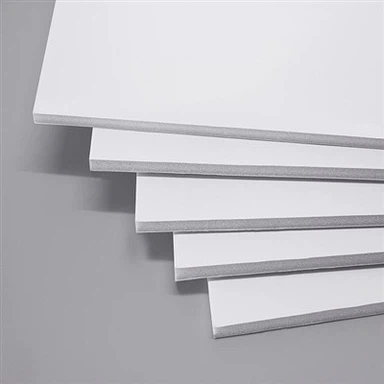
How do foam PVC panels compare to traditional PVC sheets?
Sep 19, 2024

Foam PVC panels are versatile materials with a wide range of applications across various industries. They are lightweight, durable, and easy to work with, making them ideal for both indoor and outdoor uses. Below are some common applications, effective cutting methods, and the best tools for working with foam PVC panels.
Common Applications of Foam PVC Panels
Signage: Foam PVC panels are frequently used for indoor and outdoor signage due to their lightweight nature and ease of customization. They can be printed on directly or painted, making them suitable for promotional signs, directional signs, and business displays.
Displays and Exhibitions: These panels are popular in trade shows and exhibitions for building attractive displays. Their lightweight properties make them easy to transport and assemble.
Architectural Features: Foam PVC panels can be used for wall coverings, partitions, and decorative elements in interior design. They are often chosen for their ability to mimic more expensive materials at a lower cost.
Retail Fixtures: In retail environments, foam PVC panels are used for creating custom displays, shelves, and point-of-purchase materials that attract customers' attention.
Model Making: Architects and designers often use foam PVC for creating scale models due to its ease of cutting and shaping.
Arts and Crafts: Artists use foam PVC panels for various projects, including murals, three-dimensional art pieces, and decorative wall art.
Furniture: Some modern furniture designs incorporate foam PVC panels for lightweight, innovative structures, especially in temporary or mobile settings.
How to Cut Foam PVC Panels Effectively
Cutting foam PVC panels requires precision to ensure clean edges and prevent damage to the material. Here are effective cutting methods:
Utility Knife: A sharp utility knife is one of the most effective tools for cutting foam PVC. For best results, score the surface of the panel multiple times along the cut line before snapping it along the scored line. This technique works well for thinner panels (up to 6mm).
Table Saw: For thicker panels, a table saw can provide clean, straight cuts. Ensure you use a fine-toothed blade to minimize chipping and avoid excessive heat buildup that could warp the material.
Jigsaw: A jigsaw is useful for making curved cuts. Use a fine-tooth blade and operate at a slower speed to maintain control and achieve a clean finish.
CNC Router: For precision cutting, especially in intricate designs or larger volumes, a CNC router is an excellent choice. It can handle various thicknesses and create complex shapes with high accuracy.
Hot Wire Cutter: For very clean cuts, especially in thick sheets, a hot wire cutter can melt through the material. This method is particularly effective for detailed work.
Best Tools for Working with Foam PVC Panels
Cutting Tools:
Utility Knife: Ideal for scoring and straight cuts on thinner panels.
Table Saw: Best for straight cuts on thicker panels.
Jigsaw: Suitable for curves and intricate designs.
CNC Router: Perfect for precision cutting and complex shapes.
Hot Wire Cutter: Excellent for clean cuts, particularly in thicker sheets.
Finishing Tools:
Sanding Block or Power Sander: For smoothing edges and surfaces after cutting. Use fine-grit sandpaper to avoid damaging the material.
Heat Gun: Can be used to bend foam PVC panels for specific applications, allowing for creative shapes and designs.
Adhesives:
Contact Cement: Great for bonding foam PVC to other materials.
Double-Sided Tape: Useful for temporary fixes or when attaching lightweight items.
Safety Equipment:
Safety Goggles: Protect your eyes while cutting.
Dust Mask: Wear a mask if sanding or cutting to minimize inhalation of dust particles.
Conclusion
Foam PVC panels are versatile and find applications in signage, displays, architectural features, and more. Cutting them effectively requires the right tools and techniques, from utility knives for simple cuts to CNC routers for precision work. By utilizing the best tools-such as jigsaws, table saws, and hot wire cutters-you can achieve professional results. With proper handling and creativity, foam PVC panels can be transformed into various functional and artistic pieces across multiple industries.