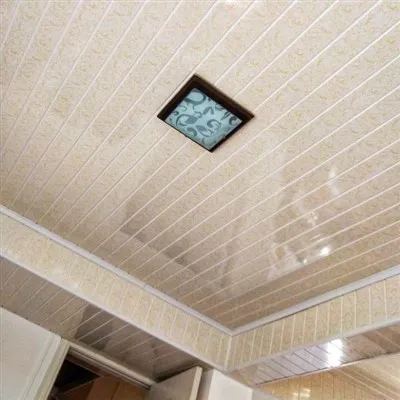
PVC foam board (also known as Forex board, Sintra board, or expanded PVC sheet) is a lightweight, rigid plastic sheet widely used in advertising signage, interior decoration, furniture back panels, CNC routing projects, and industrial models. Its popularity stems from a combination of desirable properties: it is waterproof and moisture-proof, flame-retardant, easy to cut and fabricate, and available in a range of thicknesses, colors, and surface finishes.
Although PVC foam board offers good physical and chemical stability, improper cleaning or storage can quickly lead to yellowing, surface scratches, warping deformation, and premature aging. Whether you are a sign maker, interior fit-out contractor, or end user, following the maintenance practices below will help preserve the board's appearance and maximize its service life.
1. How to Clean PVC Foam Boards: Daily Cleaning & Stain Removal
Regular cleaning is the foundation of PVC foam board maintenance. Dust, fingerprints, and environmental grime accumulate over time, dulling the surface and potentially causing long-term discoloration. Follow the methods below based on the type and severity of soiling.
1.1 Routine Dust Cleaning
For everyday dust and light debris:
- Use a feather duster, electrostatic duster, or a soft microfiber cloth to dry-wipe the surface. This removes loose particles without abrasion.
- Avoid using rough dry cloths, old towels, or paper towels, as these can leave fine micro-scratches on the surface - especially visible on glossy and dark-colored boards, creating a "hazy" or cloudy appearance over time.
- For large-format boards used as display panels or exhibition backdrops, consider using a soft-bristle vacuum brush attachment to speed up dust removal without contact friction.

Fig. 2 - A soft microfiber cloth is the safest tool for routine dust removal on PVC foam board surfaces.
1.2 Removing Stubborn Stains
When dusting alone is insufficient:
- Dampen a soft, clean cloth with lukewarm water and wring it until semi-dry (the cloth should feel damp but not dripping).
- Gently wipe the affected area in a single direction. For larger areas, work in sections.
- For heavier soiling, add a few drops of mild, pH-neutral detergent such as diluted dish soap to the water. Avoid alkaline or acidic cleaners.
- After cleaning, wipe again with a clean damp cloth to remove any detergent residue, then dry immediately with a soft microfiber cloth to prevent water spotting.
1.3 Special Stain Treatment
Different contaminants require different approaches. Always spot-test any cleaning agent on an inconspicuous edge or corner before treating visible areas.
Oil-Based Pen / Permanent Marker
- Dip a cotton swab or soft cloth in 75% isopropyl alcohol (medical-grade) or a specialized whiteboard cleaner.
- Gently dab and wipe the mark - most oil-based inks lift away within seconds.
- Do not use strong organic solvents such as toluene, xylene, banana oil (amyl acetate), acetone, or nail polish remover. These chemicals directly corrode and dissolve the PVC surface, causing irreversible etching and pitting.
Adhesive / Glue Residue
- Apply a small amount of wind oil (essential oil balm), cooking oil, or a citrus-based adhesive remover to the residue.
- Let it sit for 3–5 minutes to soften the adhesive.
- Gently rub with a soft cloth in circular motions until the residue lifts.
- Finish by cleaning the area with mild soapy water to remove oily residue.
- Avoid scraping with blades, metal spatulas, or razor blades - even light scraping leaves permanent marks on the PVC surface.
Penetrating Pigments (Inks & Dyes)
- Certain inks and dyes can penetrate the micro-pores of the PVC surface, making them extremely difficult to remove completely once set.
- Act fast: Immediately blot (do not rub) the spill with a clean damp cloth to absorb as much pigment as possible.
- Avoid rubbing over a large area, as this can spread the pigment and enlarge the stain.
- For deeply set stains, consult the board manufacturer for tailored advice - aggressive DIY attempts often worsen the damage.
1.4 What Chemicals Should You Avoid When Cleaning PVC Foam Board?
PVC foam board has limited chemical resistance. To avoid permanent damage:
- Avoid all contact with volatile organic solvents, strong acids (e.g., hydrochloric acid, sulfuric acid), strong alkalis (e.g., caustic soda), chlorine-based bleach, and paint thinners.
- These substances can cause surface blistering, chalking (powdering), color fading, embrittlement, or complete structural deformation of the board.
- When using PVC foam boards in laboratories, workshops, or kitchens, ensure chemical splash protection is in place.
2. Scratch Prevention & Surface Protection for PVC Foam Boards
The surface hardness of PVC foam board is significantly lower than that of metal, glass, or natural stone. Everyday contact can leave visible marks. Proactive protection is far more effective than attempting repairs.
- Surface hardness awareness: The Shore hardness of PVC foam board typically ranges from D55–D65, meaning it can be scratched by common objects like keys, tools, jewelry, and even fingernails if pressure is applied. Keep sharp or pointed objects away from the surface.
- Furniture and display applications: When using PVC foam board as cabinet back panels, tabletop surfaces, or display shelves, attach felt pads or silicone bumpers to the bottom of any movable items (vases, ornaments, electronics, desk accessories). This simple measure prevents the majority of daily-use scratches.
- Protective film management: Many PVC foam boards ship with a PE protective film on the surface. Keep this film intact during cutting, fabrication, transportation, and installation to guard against cement splash, glue drip, dust, and tool marks.
- Timely removal: Peel off the film within one month after installation. Leaving it on for extended periods - especially in warm or sunny conditions - can cause the film adhesive to degrade and bond to the board, leaving stubborn residue that is difficult to remove.
- Edge protection: Cut edges are more vulnerable to chipping and impact damage. Consider edge-banding or applying protective trim for high-traffic applications.
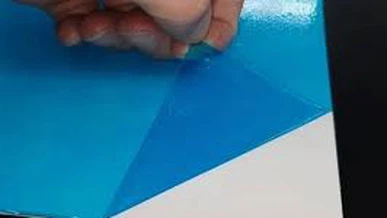
Fig. 3 - Keep the factory protective film on during fabrication and installation; remove within one month.
3. How to Store & Handle PVC Foam Boards Properly
Improper storage is one of the most common causes of permanent warping, bending, and surface damage in PVC foam boards. Whether you are storing a few sheets in a workshop or managing bulk inventory, the following practices are essential.
3.1 Ideal Storage Environment
- Location: Store in a cool, dry, well-ventilated indoor area. Avoid direct sunlight exposure and prolonged rain contact - while the board itself is waterproof, long-term moisture exposure can affect its internal foam structure and lead to delamination at the edges.
- Heat sources: Keep boards at least 1 meter (3 feet) away from radiators, heating vents, hot air blowers, steam pipes, and other heat sources. Radiant heat can cause uneven thermal expansion and permanent warping.
- Ideal conditions: Maintain storage temperature between 10°C and 40°C (50°F–104°F), with relative humidity not exceeding 80%. Avoid environments with rapid temperature fluctuations that cause condensation.
3.2 Correct Stacking Methods
- Flat stacking only: Boards must be stacked completely flat. The entire bottom of the stack must be on a level, rigid surface (such as a pallet or sturdy rack) with even force distribution across the entire area. Any overhang beyond the support base will cause permanent bending or sagging over time.
- Sort by specification: Separate boards by thickness and size. Always place thicker, heavier boards at the bottom and thinner, lighter ones on top.
- Height limits: Do not stack excessively high. As a general rule, a stack should not exceed 1 meter (3.3 feet) in total height to prevent excessive compressive force on the bottom boards, which can cause surface indentations or permanent deformation.
- Interleaving: Place kraft paper, foam sheets, or soft non-woven separators between individual boards - this prevents surface-to-surface friction scratches during storage and retrieval. This is especially critical for glossy-finish boards.
-
Fig. 4 - Proper flat stacking with separators on a fully supportive, level base prevents warping and scratches.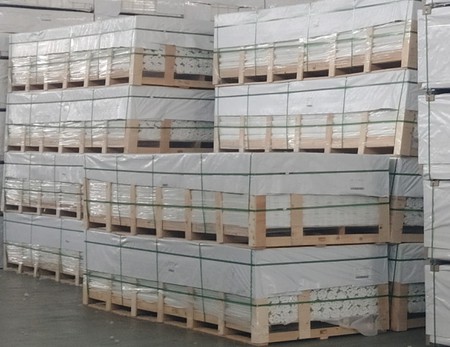
3.3 Handling & Installation Tips
- Large boards: For full-size sheets (e.g., 1220×2440mm / 4'×8'), always handle with two people carrying flat or lift vertically with proper support. Never carry a large board by one corner - single-point force concentration can cause creasing, cracking, or even snapping.
- On-site placement: For boards not yet installed, when leaning against walls or placing on A-frame racks, maintain a lean angle greater than 80° (nearly vertical). Cushion all contact points with soft cloth, foam, or rubber to prevent edge chipping and surface denting.
- CNC and cutting workshops: When loading boards onto CNC router beds or saw tables, ensure the entire sheet is supported. Unsupported overhang during cutting can cause vibration, chattering, and rough edges.
4. How to Prevent PVC Foam Board Yellowing & Deformation
Environmental factors - particularly UV radiation and heat - are the leading causes of long-term degradation in PVC foam boards. Addressing these proactively can double or triple the usable life of your boards.
4.1 UV Protection for Outdoor & Window-Adjacent Applications
- The yellowing mechanism: Standard PVC foam boards exposed to UV radiation undergo photo-degradation, causing the polymer chains to break down. This manifests as progressive yellowing, surface chalking, and embrittlement.
- Outdoor-grade boards: For any outdoor application (signage, fascia panels, exterior displays), always choose PVC foam boards formulated with UV-stabilizing additives and titanium dioxide (TiO₂) protection. These boards are specifically engineered for outdoor durability. Browse our UV-resistant PVC foam board range.
- Surface treatments: Even with UV-stabilized boards, periodic application of clear UV-protective lacquer, automotive-grade clear coat, or UV-blocking laminate film provides an additional defense layer and extends outdoor service life.
- Indoor boards near light: For interior boards positioned near windows, skylights, or glass doors, use curtains, blinds, or UV-filtering window film to reduce cumulative UV exposure. This is especially important for white and light-colored boards where yellowing is most visible.
4.2 Temperature Control Limits
- Maximum service temperature: PVC foam board softens progressively above 60°C (140°F). Prolonged exposure at elevated temperatures causes permanent warping and dimensional instability.
- Minimum service temperature: While PVC becomes more brittle at low temperatures, it generally performs adequately down to approximately -10°C (14°F) for static applications. Avoid impact loading in freezing conditions.
- Hot object contact - zero tolerance: Never allow freshly extinguished cigarette butts, hot pots and pans, soldering irons, hot glue guns (in direct contact), or heat guns (held too close) to touch the board surface. These will instantly create burn marks, melt craters, or permanent discoloration - damage that cannot be repaired.
4.3 Mold & Mildew Prevention
While PVC foam board itself is non-porous and does not support mold growth, the story changes at cut edges and joints:
- In high-humidity, poorly ventilated environments (bathrooms, basements, commercial kitchens), accumulated dust, oil, and organic debris on the board surface and within cut-edge pores can trap moisture and breed mold colonies.
- Prevention: Regularly wipe down boards in humid environments. Keep edge gaps and expansion joints clean and dry. For moisture-prone installations, consider sealing cut edges with a silicone sealant or edge-banding tape to close the foam-cell structure.
- If mold does appear, clean with a diluted hydrogen peroxide solution (3%) or a quaternary ammonium-based disinfectant, then dry thoroughly.
5. Recommended PVC Foam Board Maintenance Schedule
Consistency is key to long-term appearance retention. Use the checklist below as a reference for different application scenarios:
| Frequency | Indoor (Low Traffic) | Indoor (High Traffic) | Outdoor (Covered) |
|---|---|---|---|
| Daily / Weekly | - | Dry dust with microfiber cloth | Dry dust; check for bird droppings or debris |
| Bi-Weekly | Light dry dusting | Damp wipe with mild detergent | Damp wipe; inspect edges for moisture |
| Monthly | Full damp cleaning; inspect for scratches | Deep clean; check protective film/coatings | Apply UV protectant spray; check for yellowing |
| Quarterly | Inspect edges & joints; reapply felt pads | Full inspection; polish minor scratches | Thorough inspection; reapply UV coating if needed |
| Annually | Assess overall condition; replace if aged | Professional deep cleaning; edge resealing | Evaluate replacement needs for UV-exposed boards |
You can also use this simplified checklist:
- Dust surface with microfiber cloth (weekly for high-traffic areas)
- Damp-clean with neutral detergent (monthly)
- Inspect for scratches, dents, and edge damage (monthly)
- Check and replace felt pads under movable objects (quarterly)
- Reapply UV protective coating on outdoor boards (every 3–6 months)
- Verify storage conditions: temperature, humidity, stack stability (quarterly)
- Full professional assessment for critical applications (annually)
6. Troubleshooting Common PVC Foam Board Problems
Even with the best care, issues can arise. Below is a quick-reference table for diagnosing and addressing common PVC foam board problems. Note that some types of damage are irreversible - prevention is always better than cure. For severely damaged boards, browse our PVC foam board product range for replacements.
| Problem | Likely Cause | Recommended Solution |
|---|---|---|
| Minor surface scratches | Abrasive wiping with dry/rough cloth; contact with sharp or pointed objects | Test a fine automotive swirl-remover polishing compound on an inconspicuous area. Gently buff by hand with a microfiber pad. Complete restoration is not guaranteed, especially on glossy or dark-colored surfaces. Deep scratches cannot be removed. |
| Localized dents / depressions | Prolonged heavy point-load pressure from objects | Place a warm (not hot) damp towel over the dent (≤50°C / 122°F) and apply a flat, evenly distributed weight on top. Leave for several hours. Partial recovery is possible; 100% rebound is not guaranteed. Repeat as needed. |
| Frayed, rough, or brittle edges | Dull or improper cutting tools; long-term environmental aging | Aged/brittle material cannot be reversed. Lightly sand burrs with fine-grit sandpaper (≥400 grit). If edge degradation is extensive, replace the board. For future cuts, always use sharp carbide-tipped blades. |
| Adhesive residue from aged protective film | Film left on too long; heat or UV exposure degraded the adhesive | Soak the residue with isopropyl alcohol (75%) or a non-corrosive commercial adhesive remover. Let it dwell for 5–10 minutes, then gently wipe with a soft cloth. Never use metal scrapers. Multiple applications may be required for heavy residue. |
| Yellowing / discoloration | UV radiation exposure; chemical fume contact; excessive heat | Yellowing is generally irreversible. For mild cases on outdoor boards, a light buffing with fine polishing compound may reduce surface-level discoloration, but the underlying polymer degradation remains. Prevention through UV protection is the only reliable strategy. |
| Warping / bending | Improper storage (uneven support, overhang); one-sided heat exposure; excessive stack height | For minor warping, place the board flat on a level surface with the convex side up, apply gentle, even weight, and allow it to rest in a climate-controlled environment (20–25°C) for 48–72 hours. Severe warping is permanent - replace the board and improve storage practices. |
7. Frequently Asked Questions About PVC Foam Board Maintenance
A: Use a very fine polishing wax (e.g., automotive swirl remover) and carefully test-polish in an inconspicuous area first. Complete restoration is not guaranteed, especially on glossy surfaces. For superficial marks, a gentle buffing with a microfiber cloth may reduce visibility. Deep scratches that penetrate the surface layer cannot be repaired - prevention is key.
A: Yes, PVC foam boards can be used outdoors, but standard indoor-grade boards exposed to prolonged sunlight will gradually turn yellow and become brittle due to UV radiation. For outdoor applications, choose PVC foam boards with added UV-resistant additives, or periodically apply protective coating, UV-blocking film, or spray paint to extend service life. Outdoor-grade boards typically last 3–5+ years versus 1–2 years for standard boards.
A: PVC foam board begins to soften when heated. The surface working temperature should generally not exceed 60°C (140°F) for extended periods. Avoid direct contact with hot objects such as cigarette butts, hot pots, or soldering irons, as these will instantly leave burn marks or melt pits. For cold environments, the board performs adequately down to approximately -10°C (14°F) in static applications, though it becomes more brittle at low temperatures.
A: PVC foam boards should be stored flat in a cool, dry, and well-ventilated area, away from direct sunlight and heat sources. The ideal storage temperature is 10°C–40°C with relative humidity below 80%. Place kraft paper or soft separators between individual boards, stack thicker boards at the bottom, ensure the entire base is level with even force distribution, and keep the total stack height under 1 meter.
A: Mild, pH-neutral detergents such as diluted dish soap are safe for routine cleaning. For tougher stains like marker or adhesive residue, 75% isopropyl alcohol or a specialized whiteboard cleaner can be used after spot-testing on an inconspicuous area. Never use strong solvents like acetone, toluene, banana oil, chlorine bleach, or abrasive cleaners such as steel wool and scouring pads, as these will permanently damage the PVC surface.
A: When properly maintained and used in appropriate indoor environments, PVC foam boards can last 5–10+ years without significant degradation. Outdoor service life is shorter - typically 2–5 years for UV-stabilized boards and 1–2 years for standard boards - due to UV exposure and weathering. Choosing the right board grade for your application and following proper maintenance practices significantly extends service life in all scenarios.
A: Strong organic solvents - including acetone, toluene, xylene, banana oil (amyl acetate), paint thinners, and nail polish remover - directly corrode and dissolve the PVC surface, causing irreversible etching and pitting. Strong acids (hydrochloric acid, sulfuric acid), strong alkalis (caustic soda), and chlorine-based bleach also cause surface blistering, chalking, color fading, embrittlement, and complete structural deformation. Only mild, pH-neutral detergents and 75% isopropyl alcohol are safe for use on PVC foam board surfaces.
Conclusion: The Core Principles of PVC Foam Board Care
The essence of maintaining PVC foam board comes down to five simple principles:
- Gentle cleaning - soft cloths, mild detergents, no abrasives
- Scratch prevention - felt pads, protective films, careful handling
- Avoid direct sunlight - UV protection for outdoor and window-adjacent use
- Keep away from heat - respect the 60°C temperature limit
- No harsh solvents - alcohol at most, never acetone or thinners
With just a little attention during daily use, cleaning, and storage, PVC foam boards can retain their neat, professional appearance for many years. For specialized applications - such as outdoor advertising, clean-room partitions, laboratory surfaces, or food-contact environments - we recommend consulting our technical team for tailored coating, lamination, or material selection solutions.