Can PVC Antibacterial Boards be easily cleaned and maintained?
Mar 10, 2025
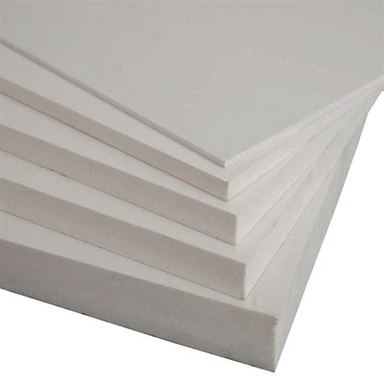
Yes, PVC antibacterial boards are relatively easy to clean and maintain. These boards are designed with a smooth, non-porous surface that prevents the growth of bacteria, making them hygienic and low-maintenance. Here are some key points regarding their cleaning and upkeep:
Cleaning
Surface Cleaning: Regular cleaning can be done with a damp cloth or sponge using mild soap and water. Avoid abrasive cleaners or scrubbers that could damage the surface.
Stain Removal: For tougher stains, you can use a diluted bleach solution or a specialized cleaner. However, it's best to test any cleaner in a small, inconspicuous area first to ensure it does not affect the board's finish.
No Harsh Chemicals: Since PVC antibacterial boards are designed to resist bacteria and stains, harsh chemicals or solvents are generally not necessary for routine cleaning.
Disinfection: For added hygiene, a gentle disinfectant solution can be used, especially in environments like kitchens, hospitals, or bathrooms.
Maintenance
Scratch Resistance: PVC boards are relatively resistant to scratches, but over time, heavy abrasion can damage the surface. It's a good idea to avoid using sharp objects directly on the boards.
Avoid Excessive Heat: High heat can deform the PVC material, so it's important to avoid placing hot objects directly on the surface.
Regular Inspection: Check for any signs of wear or damage, such as cracks or discoloration, which may need to be addressed.
Overall, PVC antibacterial boards are designed for ease of maintenance, requiring only basic cleaning and occasional care to maintain their antibacterial properties and aesthetic appearance.