

Why Choose An Eco-Friendly PVC House?
May 07, 2026
PVC Eco-House
A PVC eco-house is a low-carbon, environmentally friendly new type of housing. Based on the mature technology of light steel structure houses, it boldly innovates by applying PVC materials, resulting in a completely harmless ecological house that is ready for immediate occupancy upon completion, free from any toxic substances.
Housing Features
Seismic and Wind Resistance: The house is constructed with light steel closely ribbed beam-column bolt and screws, allowing flexible connections that effectively absorb seismic energy. The walls and foundation are equipped with uplift resistance and shear resistance connectors, and the overall weight of the house is only 1/6 of that of traditional concrete houses, making it superior in seismic and wind resistance. It meets the requirements of withstanding magnitude 9 earthquakes and typhoons up to level 12.
Durability: The structural components are treated with special galvanized anti-corrosion measures, effectively preventing steel rust and extending the service life of the structure to 90 years. Additionally, the use of New Lightweight Enclosure Materials ensures fire resistance, insect resistance, and no mildew.
Thermal Insulation: The wall structure features a dual insulation + dual air layer technology for energy efficiency. The dual insulation includes both external and internal wall insulation, while the dual air layers consist of an open ventilation layer and a sealed air layer. Compared to traditional houses, building energy efficiency is improved by over 75%, ensuring a warm winter and cool summer indoors.
Fast Construction: The house is factory-customized and assembled on-site using modular components, significantly shortening the construction period to one-third of that of traditional concrete houses.
Eco-Friendly: All materials used in the PVC eco-house are environmentally friendly, ensuring the house is free of formaldehyde. Interior decoration and design can be customized according to customer needs and preferences.
Types of Houses
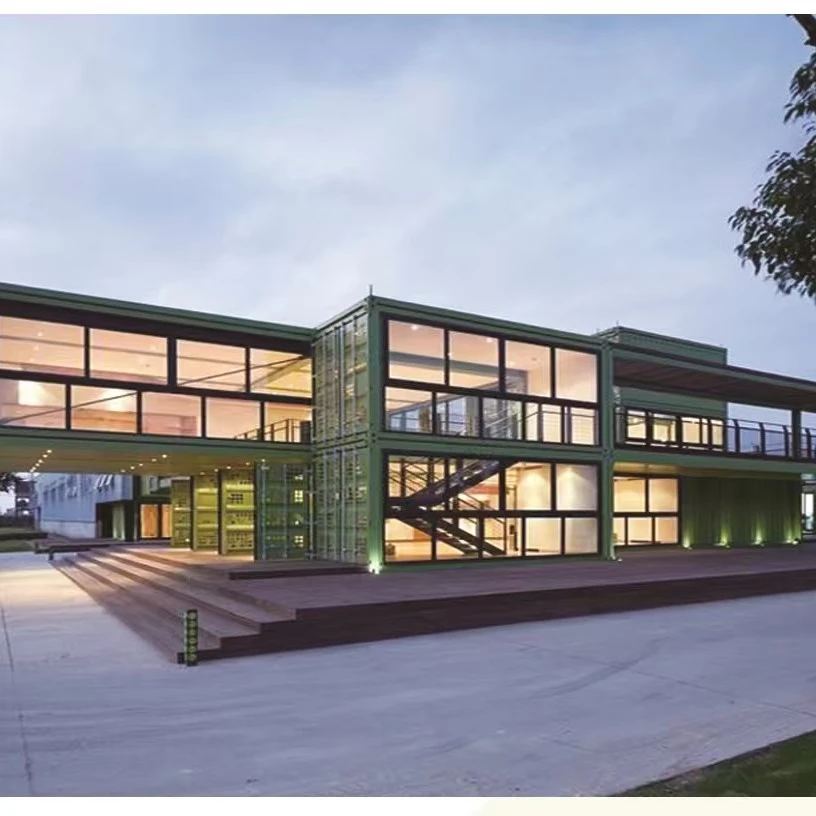
Container Houses: Based on the structural characteristics of freight containers, container houses can be easily moved to different locations, offering greater convenience for living. Equipped with solar panels for electricity, solar water heaters for heating and water supply, and a wastewater treatment system for purifying indoor sewage (e.g., from showers and daily use) for reuse, these houses can be built in various sizes depending on the number of occupants. They are formaldehyde-free, easy to install, energy-efficient, and safe, making them suitable for shops, factories, offices, residential units, and construction sites.
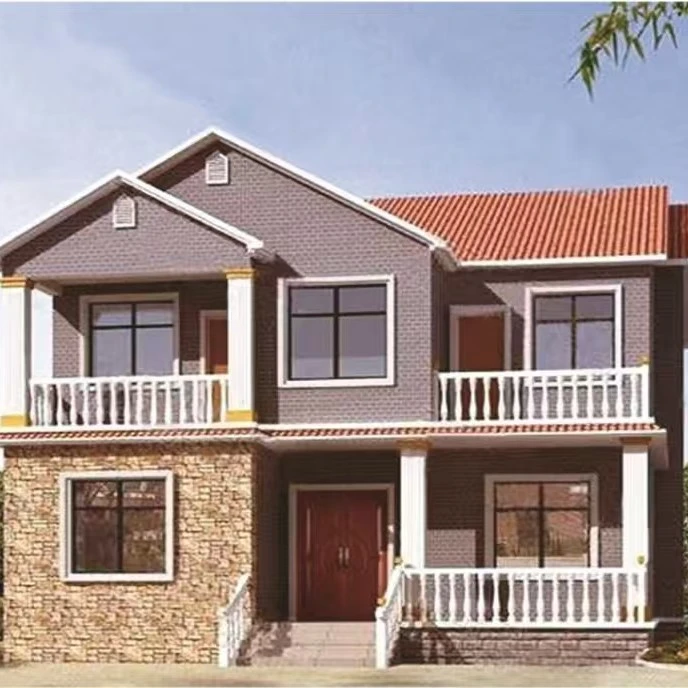
Light Steel Houses: Light steel houses are constructed from cold-rolled galvanized steel strips, combined with precise calculations and auxiliary supports to create new residential and commercial spaces, replacing traditional housing spaces. With a structural lifespan of 90 years, light steel houses are widely used in villas, tourist resorts, campsite dormitories, scenic area facilities, and new rural construction.
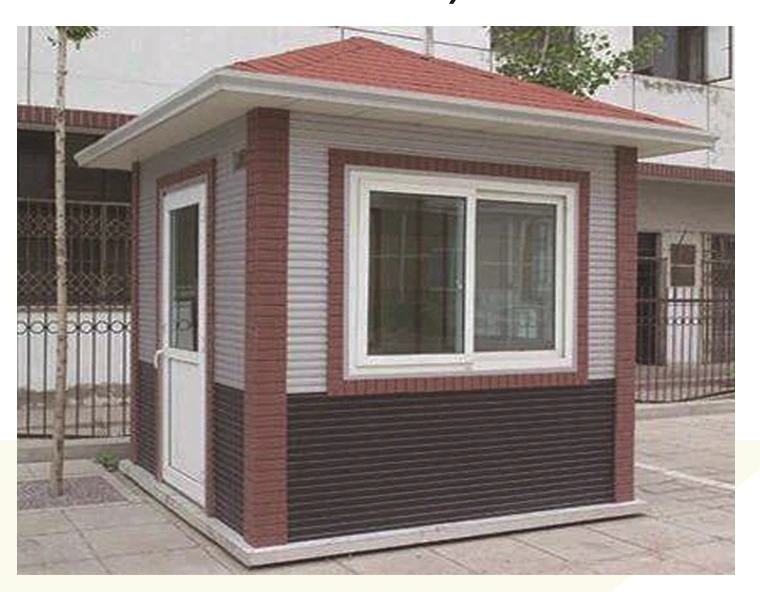
Guard Booth: Suitable for government agency guard rooms, community gatehouses, kiosks, breakfast booths, toll booths, mobile toilets, and service halls. Booths are equipped with workbenches, ceiling lights, concealed wiring, switches, sockets, distribution boxes, and come in various sizes.
Applications of PVC in Housing

Building Structure and Exterior Decoration, Door and Window Systems: PVC profiles are commonly used for window and door frames due to their excellent thermal insulation, sometimes three times better than aluminum frames. Exterior PVC wall panels can be used for exterior wall decoration, offering corrosion resistance, waterproofing, and minimal need for repainting. PVC is also suitable for exterior railings, fences, and decking. With its outstanding weather resistance and waterproofing, PVC is a common material for downspouts and roof drainage systems.
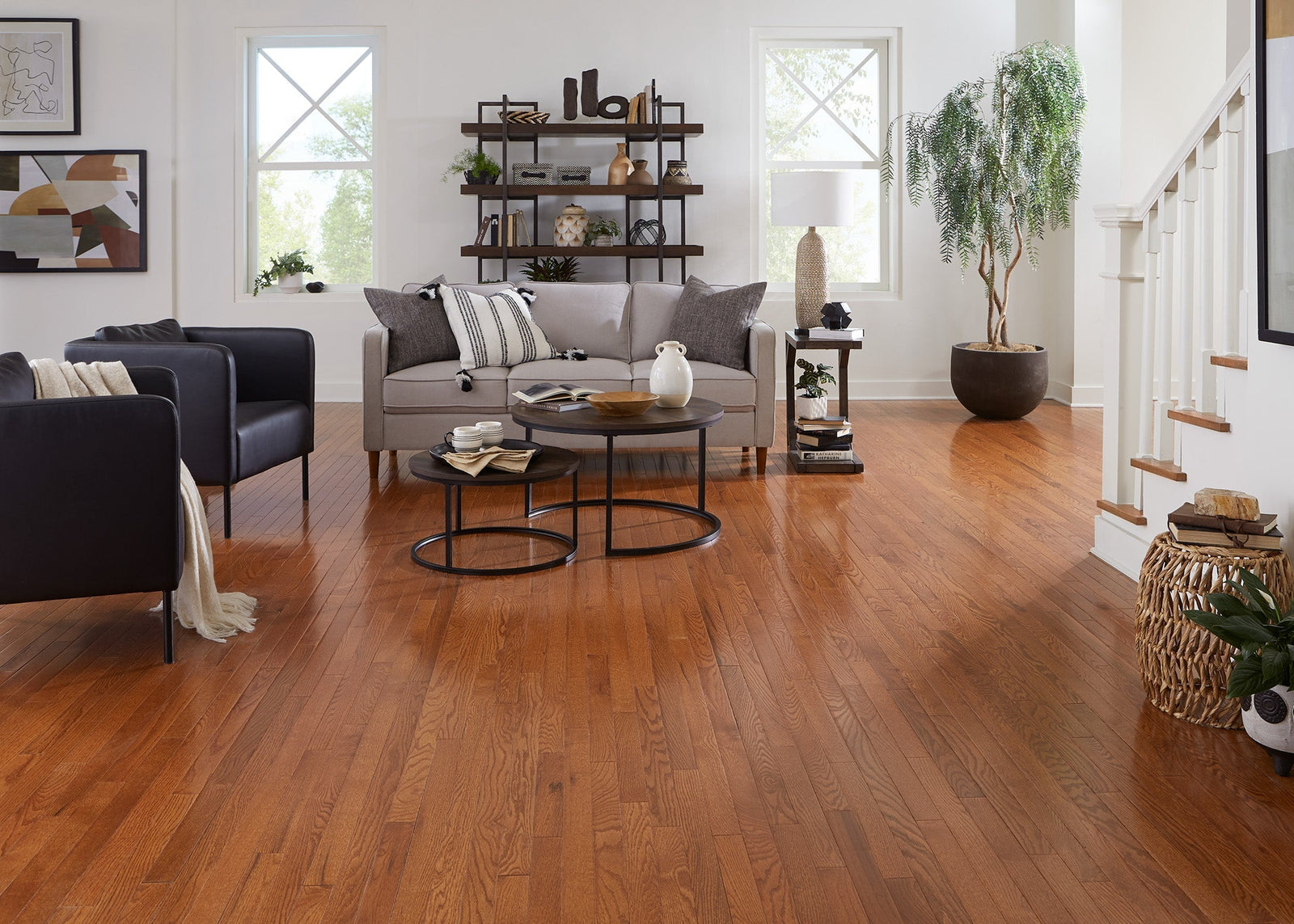
Interior Decoration and Finishes, Flooring Materials: PVC flooring is moisture-proof, slip-resistant, and easy to clean, making it suitable for kitchens, bathrooms, and general areas in homes. PVC sheets are widely used for ceilings and wall panels in kitchens and bathrooms, effectively preventing dampness-related mold issues. PVC foam boards can be made into lightweight, moisture-proof cabinets, wardrobes, decorative shelves, or indoor partitions.

Concealed Works and Piping, Drainage Systems: PVC pipes are the most common material for household sewage and drainage pipes, offering leak-proof and corrosion-resistant properties. Wire protection conduits inside walls and under floors are often made of PVC for insulation and protection.
Other Applications, Waterproofing Layers: PVC waterproof membranes or coatings are commonly used for waterproofing balconies, bathrooms, and roof repairs. PVC materials are also used for waterproof sealing in doors, windows, or frameless shower doors.
Advantages of PVC resin for construction:
1.PVC material has high strength and low weight. Its wear resistance, light weight, good mechanical strength, and excellent toughness are key technical advantages for its application in construction.
2. PVC material products are easy to install. PVC material can be cut, shaped, welded, and easily customized with various colors and styles.
3. Durable performance. PVC material is resistant to weathering, rot, chemical corrosion, impact, and abrasion.
4. Effectively reduces costs. As a material, it is highly competitive in terms of price.


