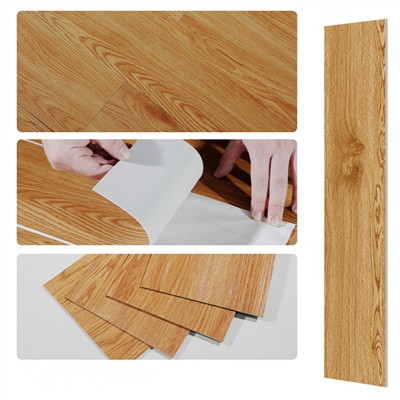
What Installation Methods Are Available For SPC Flooring?
Aug 16, 2024
What are the key benefits of using SPC flooring?
SPC (Stone Plastic Composite) flooring offers several compelling benefits that make it a popular choice among homeowners and designers alike. First and foremost, its durability is a standout feature. SPC flooring is designed to withstand heavy foot traffic, making it suitable for both residential and commercial applications. The rigid core structure provides resistance against impacts and scratches, ensuring that the flooring retains its appearance over time.
Another significant advantage is its water resistance. Unlike traditional hardwood or laminate flooring, SPC is impervious to moisture, making it ideal for areas prone to spills, such as kitchens and bathrooms. This water-resistant quality also reduces the risk of mold and mildew, enhancing indoor air quality.
SPC flooring also boasts excellent sound insulation properties, providing a quieter environment. This is particularly beneficial in multi-story buildings where noise transfer can be a concern. The comfortable feel underfoot, combined with its acoustic benefits, adds to its appeal.
From an aesthetic perspective, SPC flooring comes in a wide variety of designs, colors, and textures. Many products mimic the look of natural wood or stone, offering a sophisticated appearance without the associated maintenance. Additionally, SPC is low-maintenance; it typically requires only regular sweeping and occasional mopping to keep it looking new.
Lastly, many SPC products are made from eco-friendly materials, which can be a significant consideration for environmentally conscious consumers. The lack of harmful chemicals and the use of recycled content contribute to its sustainability.
How does SPC flooring compare to traditional vinyl flooring?
When comparing SPC flooring to traditional vinyl flooring, several key differences emerge. One of the most notable distinctions is thickness and rigidity. SPC flooring features a dense core made of stone plastic composite, giving it added stability and durability. In contrast, traditional vinyl flooring is often softer and more flexible, making it susceptible to damage from heavy objects or sharp impacts.
Another critical difference lies in water resistance. While many vinyl options offer some degree of water resistance, SPC flooring is typically completely waterproof, making it a superior choice for wet areas. This attribute minimizes the risk of warping or damage over time, providing peace of mind in moisture-prone environments.
Additionally, SPC flooring generally provides better thermal insulation. Its denser structure contributes to a warmer feel underfoot, which can be especially appreciated during colder months. Traditional vinyl may feel colder and less comfortable, particularly in homes with limited heating.
Aesthetic versatility is another area where SPC flooring shines. While traditional vinyl can mimic wood and stone, SPC products often achieve a more realistic appearance due to their advanced manufacturing processes. This realism, coupled with a wide variety of design options, allows homeowners to find a product that fits their style seamlessly.
Finally, installation processes differ as well. SPC flooring often employs a click-lock system that simplifies installation, allowing for easy DIY projects. While some vinyl products also feature this method, others may require glue-down applications, which can be more labor-intensive.