How Do PVC Antibacterial Boards Compare To Other Antibacterial Materials, Like Stainless Steel?(一)
Feb 24, 2025
PVC antibacterial boards and stainless steel are both effective materials with antibacterial properties, but they differ significantly in terms of performance, applications, durability, and maintenance. Below is a detailed comparison between the two:
Antibacterial Properties:
PVC Antibacterial Boards: PVC is often infused with antimicrobial agents that help prevent the growth of bacteria, mold, and mildew on the surface. The antibacterial effect is a feature incorporated into the material, but its effectiveness may vary depending on the specific formulation of the PVC and the type of bacteria targeted.
Stainless Steel: Stainless steel is naturally resistant to the growth of bacteria and microbes due to its non-porous, smooth surface. It does not require antimicrobial treatments because it resists corrosion and microbial attachment. In environments with high hygiene standards (like hospitals), stainless steel is often considered one of the best materials for preventing bacterial growth.
Durability:
PVC Antibacterial Boards: PVC boards are durable but can be more susceptible to physical damage (such as scratches, dents, or cracks) compared to stainless steel. They are resistant to moisture and chemical exposure, making them ideal for wet environments, but may degrade or discolor over time if exposed to UV light or extreme temperatures.
Stainless Steel: Stainless steel is extremely durable and resistant to corrosion, stains, and impacts. It is highly resistant to wear and tear, making it ideal for high-traffic and harsh environments. Stainless steel can withstand high temperatures and is typically more long-lasting than PVC, though it can show fingerprints and smudges easily.
Maintenance:
PVC Antibacterial Boards: PVC boards are easy to maintain and clean. Regular wiping with a damp cloth is usually sufficient for most surfaces. However, they may need occasional cleaning with specialized products to remove stains or prevent buildup in high-moisture environments.
Stainless Steel: Stainless steel is also relatively easy to clean and maintain, but it often requires more effort to maintain its appearance, as it can show smudges, fingerprints, and water spots. Cleaning typically involves wiping with a soft cloth and mild cleaner, and it may require occasional polishing to maintain a shiny, stainless appearance.
Resistance to Heat:
PVC Antibacterial Boards: PVC is not highly heat-resistant. It can warp or emit toxic fumes when exposed to high temperatures. Therefore, PVC is not suitable for areas with direct exposure to heat or open flames.
Stainless Steel: Stainless steel is highly heat-resistant and does not warp, melt, or release harmful fumes when exposed to high temperatures. It is ideal for high-heat applications like kitchens and industrial environments.
Aesthetic Appeal:
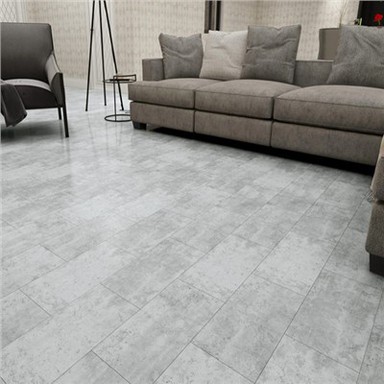
PVC Antibacterial Boards: PVC boards can be manufactured in various colors, textures, and designs, allowing for more versatility in terms of aesthetic appeal. They can be made to mimic wood, stone, or other materials, making them a popular choice for interior applications.
Stainless Steel: Stainless steel has a more industrial or sleek look. While it can be polished or brushed to achieve different finishes, it tends to be more limited in terms of texture and color. It may not fit as seamlessly into residential or decorative settings unless used in specific designs (e.g., modern or minimalist).
Applications:
PVC Antibacterial Boards: These are typically used in environments where hygiene is crucial, such as healthcare facilities, food processing areas, kitchens, bathrooms, and even in some industrial settings. Their versatility allows them to be used for walls, countertops, and flooring.
Stainless Steel: Stainless steel is commonly used in commercial kitchens, medical settings (like surgical instruments and equipment), laboratory environments, food processing plants, and other areas that require high hygiene standards. It is often used for countertops, sinks, appliances, and medical equipment.