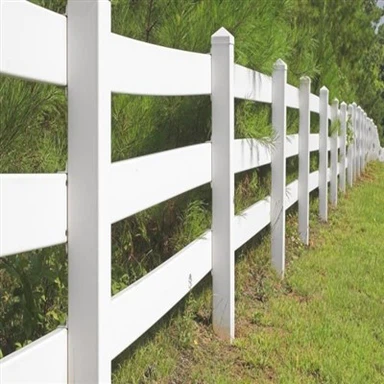
How did the concept of the white picket fence originate?
Jun 26, 2024
In what ways has the symbolism of the "white picket fence" evolved over time?
Evolution of the Symbolism of the "White Picket Fence":
Early 20th Century: Initially, the "white picket fence" symbolized suburban prosperity and the idealized American Dream of homeownership and family stability. It represented a contrast to urban life, offering a quieter, more idyllic setting for raising a family.
Mid-20th Century: During the post-World War II suburban boom, the symbolism intensified as suburbs expanded rapidly. The fence became a ubiquitous feature of suburban homes, reinforcing notions of community, safety, and conformity to middle-class values.
Late 20th Century: By the latter part of the century, the symbolism began to be viewed more critically. Some saw the "white picket fence" as emblematic of conformity and the homogenization of American culture. It came to symbolize a stereotypical, idealized vision of suburban life that excluded diversity and glossed over societal issues.
21st Century: Today, the symbolism of the "white picket fence" is often used nostalgically or ironically in popular culture. It may evoke a sense of longing for a simpler time or be critiqued for its exclusionary connotations. Alternatively, it can still symbolize aspirations for stability and prosperity, albeit with a more nuanced understanding of its historical and cultural implications.
Why is the "white picket fence" often used as a metaphor for the American Dream?
Metaphor for the American Dream:
The "white picket fence" is used as a metaphor for the American Dream primarily because it encapsulates several key ideals associated with this concept:
Homeownership: Owning a home, particularly a detached single-family dwelling, has long been a central tenet of the American Dream.
Security and Stability: The fence symbolizes safety, stability, and privacy-fundamental desires within the American Dream framework.
Community and Success: Living behind a picket fence implies integration into a supportive community and achieving a certain level of economic success required to afford a home and maintain its upkeep.
Therefore, the image of the "white picket fence" succinctly represents achieving these ideals, making it a powerful visual shorthand for the American Dream in popular culture and discourse.
What materials are traditionally used to construct a "white picket fence"?
Materials Traditionally Used to Construct a "White Picket Fence":
The traditional "white picket fence" is typically made from wood. Specifically, cedar or pine are commonly used due to their durability and ability to withstand weathering.
The pickets themselves are usually vertical and pointed at the top, arranged closely together to form a continuous barrier around the property.
The white color is achieved through painting the wood with exterior-grade white paint, which not only enhances its aesthetic appeal but also helps protect the wood from the elements.