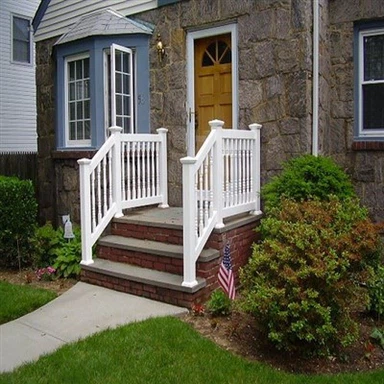
What Are The Advantages Of Using Vinyl Material in Real Estate Construction?
Dec 02, 2024
How does vinyl compare to other materials like wood or metal in terms of durability and maintenance?
Durability:
Vinyl: Extremely durable and resistant to moisture, pests, and weather conditions. It does not rot, rust, or suffer from insect damage. Vinyl is also resistant to UV degradation, which prevents fading or brittleness over time.
Wood: While aesthetically appealing, wood is vulnerable to moisture, insects (such as termites), rot, and decay, especially in areas with high humidity or rain. Wood requires regular treatment and maintenance, including sealing or staining, to protect it from the elements.
Metal: Metals like aluminum and steel are durable and strong but may corrode, rust, or suffer from oxidation over time, especially in coastal or high-humidity environments. They often require protective coatings to prevent deterioration.
Maintenance:
Vinyl: Requires minimal maintenance. It doesn't need to be painted, stained, or sealed like wood, and it's resistant to fading. Vinyl siding, windows, and trim are easy to clean and maintain with just soap and water.
Wood: Requires regular maintenance, including re-staining, painting, or sealing to protect it from weathering, pests, and moisture damage. Wood is more labor-intensive to maintain over time.
Metal: Requires occasional maintenance to prevent rusting, particularly if it's not properly coated or protected. Metal components often need to be repainted or treated periodically to prevent corrosion.

What are the environmental impacts of using vinyl in real estate development?
The environmental impacts of using vinyl in real estate development are a subject of ongoing debate and concern. Some of the key points include:
Production and Energy Use: The manufacturing process for vinyl involves the use of chlorine and petroleum-based products, which contributes to carbon emissions. Vinyl production can be energy-intensive and has been associated with pollution concerns, including the release of dioxins if not produced and disposed of properly.
Recycling and Disposal: Vinyl is not easily recyclable, and its disposal in landfills can be problematic. While some vinyl products can be recycled, the infrastructure for recycling vinyl is not widespread. As a result, much of it ends up in landfills, where it can take hundreds of years to degrade.
Longer Lifespan: One environmental benefit of vinyl is that it tends to have a long lifespan. Products like vinyl siding or windows last many decades without the need for replacement, which reduces the frequency of material disposal. Additionally, its durability means fewer resources are required for maintenance and repairs.
Sustainability Issues: The use of vinyl in real estate construction raises concerns about sustainability due to its reliance on non-renewable resources like fossil fuels and its difficulty in being recycled. However, the fact that vinyl products can be used for long periods without needing replacement can offset some of its environmental impact over time.
Alternative Solutions: Some manufacturers are working on producing more environmentally friendly versions of vinyl, such as bio-based or recycled PVC, which could reduce the environmental footprint of vinyl products in the future. Additionally, using vinyl in applications like windows, doors, and siding can contribute to energy savings, which can offset environmental impacts over the life of the building.