Linoleum vs. Vinyl Flooring: Which is Better?(二)
Jun 17, 2024
What about asbestos?!
Don't worry, the use of asbestos in linoleum ended in the 1970s! Present-day linoleum no longer includes asbestos, so rest assured, you are safe!
What is Vinyl Flooring?

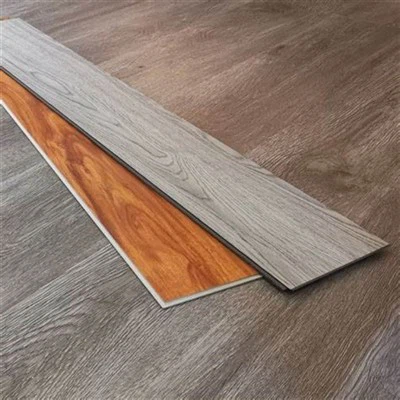
Vinyl is a more durable flooring option made from PVC. Because it's made from synthetic material, vinyl is a cheaper alternative to linoleum. Vinyl flooring encompasses a range of options, including vinyl sheets, planks, and tiles.
It became more popular in the 1960s, and that popularity has only grown since. In addition to the more budget-friendly price, vinyl offers cutting-edge stone looks, wood looks, and decorative designs.
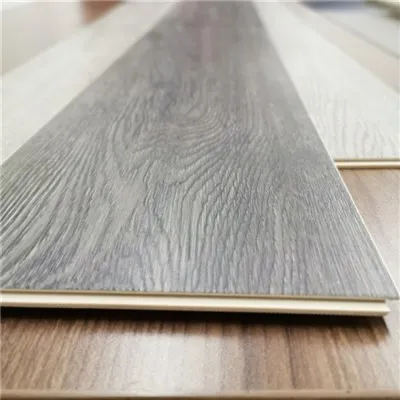
Vinyl flooring also gets a lot of attention because it's so durable while maintaining some softness underfoot. The printed visual layer is protected by a durable surface wear layer. Some vinyl flooring is also 100% waterproof. That's thanks to a wood-plastic composite (WPC) or stone-plastic composite (SPC) core layer included in waterproof vinyl planks and tiles.
Vinyl planks and tiles are pretty distinct from linoleum, but sheet vinyl is a bit tricker. The biggest reason people confuse vinyl and linoleum is that they can both come in sheet form. However, though they might look similar, there are big differences between linoleum sheets and vinyl sheets.
The new generation of vinyl sheets offers convincing natural wood looks, stone looks, and even decorative looks. Today vinyl sheets also often come with durable fiberglass backings that make installation more DIY-friendly, because you can simply float the sheet over your floor – no adhesive necessary.
Vinyl Flooring Pros
What are the advantages of vinyl flooring? With this resilient floor, you can expect to enjoy the following benefits:
Easy, DIY installation: Most vinyl flooring planks and tiles are an interlocking or "floating" installation, which makes for an easy DIY project for homeowners. Vinyl sheets with fiberglass backing are also simple to install on your own.
Easy to maintain: Vinyl flooring is easy to clean and care for. Especially if you choose a waterproof option, the floor basically does the hard work for you! All you need is the occasional vacuum and damp mop to keep your vinyl sparkling.
Resilient and comfortable underfoot: If you're the type to be on your feet most of the day, resilient vinyl floors are a must. This material is comfortable and easier on your joints and feet than other hard floor types, such as tile.
Large variety in styles and looks: Today's vinyl mimics wood and stone looks better than ever before. You can find a wide variety of luxury vinyl flooring colors, patterns, and textures.
Waterproof options: We're talking 100% waterproof! Your vinyl floors can be totally submerged without being damaged.
VinylVinyl Flooring Cons
What are the disadvantages of vinyl floors? Here are a few things to consider:
Easy, DIY installation: Production causes more of an effect on the environment: Vinyl flooring takes more energy and non-renewable resources to construct than linoleum.
Shorter lifespan: These floors typically last up to 20 years.
The image is only on the surface: While you have several design options with vinyl, the aesthetic is only as strong as the wear layer over the print. The color may fade over time as the top layer wears down.