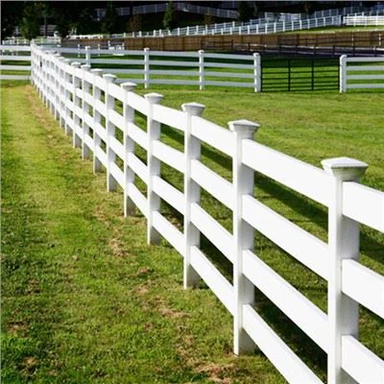
how does life cycle affect long-term property value?
Dec 11, 2024
Lifecycle of a Vinyl Real Estate Post and Its Impact on Long-Term Property Value
The lifecycle of a vinyl real estate post, such as a vinyl fence, sign, or exterior feature, refers to the stages of its existence, from installation through its useful lifespan to its eventual replacement. While the lifecycle of a vinyl post itself doesn't directly impact property value in terms of the structure's core marketability, it can influence long-term property value in several indirect ways. Let's break it down into stages and explain its relevance to property value:
1. Installation (Year 0-1)
Initial Impact: When a vinyl post (e.g., fence post, boundary post, or sign) is newly installed, it enhances the property's appearance, security, and privacy, which can have an immediate positive effect on the property's curb appeal.
Market Perception: A well-maintained vinyl fence or post can contribute to the property's aesthetics, giving it a modern, clean look. It may also signal to potential buyers that the home is well-maintained, which can make the property more attractive in a competitive market.
2. Maintenance Phase (Years 1-15)
Durability and Low Maintenance: Vinyl is known for being highly durable and requires minimal maintenance compared to wood or metal alternatives. During this phase, vinyl posts remain in good condition with occasional cleaning, which preserves the property's aesthetic appeal.
Impact on Property Value: As long as the vinyl posts remain in good shape-free of cracking, warping, discoloration, or other issues-the property maintains a positive curb appeal. This can subtly affect the long-term value of the property by increasing buyer confidence in the home's overall condition.
3. Mid-life (Years 15-30)
Wear and Tear: Over time, even vinyl can show signs of aging. UV rays can cause fading, and prolonged exposure to the elements may cause discoloration or slight brittleness in the material.
Property Value Considerations: Although vinyl posts are generally long-lasting, their appearance may begin to degrade after 15-30 years. If not maintained or replaced, this could negatively affect the curb appeal, slightly diminishing the property's attractiveness and potentially lowering its perceived value.
4. End of Life (Years 30+)
Replacement: Vinyl posts typically last a long time (up to 30+ years), but eventually, they will need to be replaced or repaired. The condition of the vinyl posts at this stage plays a significant role in overall property maintenance.
Long-Term Value Impact: If the posts are left to deteriorate without being replaced, they can make the property appear neglected. This may create a negative impression for prospective buyers, potentially decreasing the property's value. On the other hand, timely replacement or upkeep ensures that the property remains visually appealing and continues to hold its value.
Factors Affecting Property Value Over Time
While vinyl posts themselves may not be the central factor in determining a property's value, their role in the overall maintenance of the property does matter:
Aesthetic Appeal: Vinyl posts contribute to the home's first impression, and an attractive property typically commands a higher price.
Curb Appeal: A well-maintained fence or boundary line improves the aesthetic appeal of a home, especially in suburban and residential areas where curb appeal is highly valued.
Long-Term Durability: Vinyl posts are seen as a low-maintenance, long-lasting option compared to wood or metal, which may require more frequent upkeep. Buyers may value this durability, especially in regions where fencing is exposed to harsh weather.
Homeowner's Maintenance Habits: Regular upkeep of elements like vinyl posts is a sign of a well-cared-for property. A deteriorating fence may suggest neglect in other areas of the home, impacting its value.